-
by sayum
27 July 2026 3:39 PM







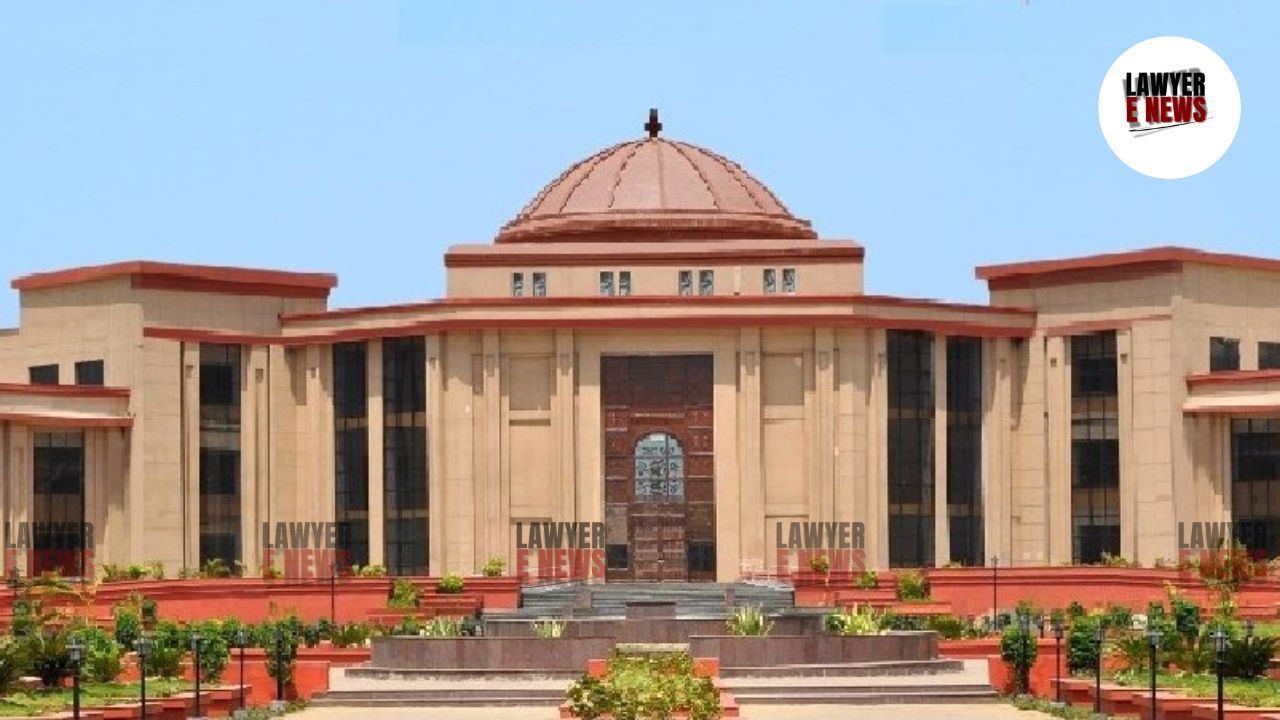
"In the absence of a certificate under Section 65-B of the Indian Evidence Act, 1872, and in the absence of any voice sample or FSL report, the voice recording cannot be relied upon," Chhattisgarh High Court, in a significant verdict, has set aside the conviction of a Block Education Officer and a clerk in a decade-old bribery case, reiterating that the demand for illegal gratification is an essential prerequisite for an offense under the Prevention of Corruption Act.
A single-judge bench of Justice Rajani Dubey observed that mere recovery of tainted currency notes, in the absence of proof of demand, is insufficient to sustain a conviction.
The matter originated from an appeal filed by two public servants who were convicted by a Special Court in Bemetara in 2017. The appellants were sentenced to three years of rigorous imprisonment for allegedly demanding and accepting a bribe of Rs. 5,000 to facilitate the release of the withheld salary of the complainant’s wife.
The primary questions before the court were whether the prosecution had successfully proved the factum of demand beyond a reasonable doubt and whether the electronic evidence in the form of voice recordings was admissible without the mandatory certification under Section 65-B of the Indian Evidence Act.
Demand For Bribe Is An Essential Prerequisite For Conviction
The High Court emphasized that the demand for illegal gratification is the sine qua non for constituting an offense under Section 7 and Section 13(1)(d) of the Prevention of Corruption Act. The bench noted that even if recovery of the currency is proved, it cannot lead to a presumption of guilt unless the initial demand is established by the prosecution.
The court relied on the Supreme Court's settled positions in B. Jayaraj v. State of Andhra Pradesh and P. Satyanarayana Murthy v. State of A.P., noting that the "demand of illegal gratification is sine qua non to constitute the said offence and mere recovery of currency notes cannot constitute the offence under Section 7."
Court Finds Prosecution Case Riddled With Material Inconsistencies
The bench scrutinized the testimony of the complainant (PW-03) and found his conduct highly suspicious. It was revealed during cross-examination that the complainant had already received the salary cheque prior to the date on which the bribe was allegedly demanded and paid.
The court observed that if the official work for which the bribe was purportedly sought had already been completed, the very basis of the demand became doubtful. The bench held that "the complainant has not filed the complaint with clean hands" and noted significant contradictions between the court statements and the initial police statements.
Electronic Evidence Inadmissible Without Section 65-B Certification
A critical aspect of the ruling dealt with the admissibility of voice recordings used to prove the demand. The prosecution had produced recordings of the alleged conversations between the accused and the complainant, but the High Court found multiple procedural and legal lapses in handling this evidence.
The court noted that the prosecution failed to produce a certificate under Section 65-B of the Indian Evidence Act, which is a mandatory requirement for the admissibility of electronic records. Furthermore, no voice samples were collected for forensic comparison, and no FSL report was presented to identify the voices of the appellants.
Failure To Identify Voices And Prove Integrity Of Recordings
The court highlighted that the investigating officer admitted to not obtaining any expert opinion regarding the voices recorded. It was also noted that the recordings contained excessive background noise and were not clearly audible, further diminishing their evidentiary value.
The bench remarked that "the possibility of tampering with the tape recorder cannot be ruled out" as the device remained in the private custody of the complainant for several days. Referring to the Delhi High Court's decision in Romesh Sharma v. State, the bench reiterated that the integrity of the chain of custody is paramount for electronic evidence.
Mere Possession Of Tainted Money Not Proof Of Guilt
The court held that while the recovery of currency notes was admitted, such possession without proof of demand does not bring home the charges. The bench found that the prosecution failed to establish the "entire chain—beginning from demand, acceptance, and recovery."
Justice Dubey concluded that the Trial Court had failed to properly appreciate these material inconsistencies and recorded perverse findings. "The prosecution has failed to prove the factum of demand of bribe money... which is the sine qua non for convicting him," the court held while granting the appellants the benefit of the doubt.
The High Court allowed the appeal, set aside the judgment of conviction and sentence dated September 8, 2017, and acquitted both appellants of all charges.
Date of Decision: 23 June 2026