
-
by sayum
26 August 2026 1:49 PM







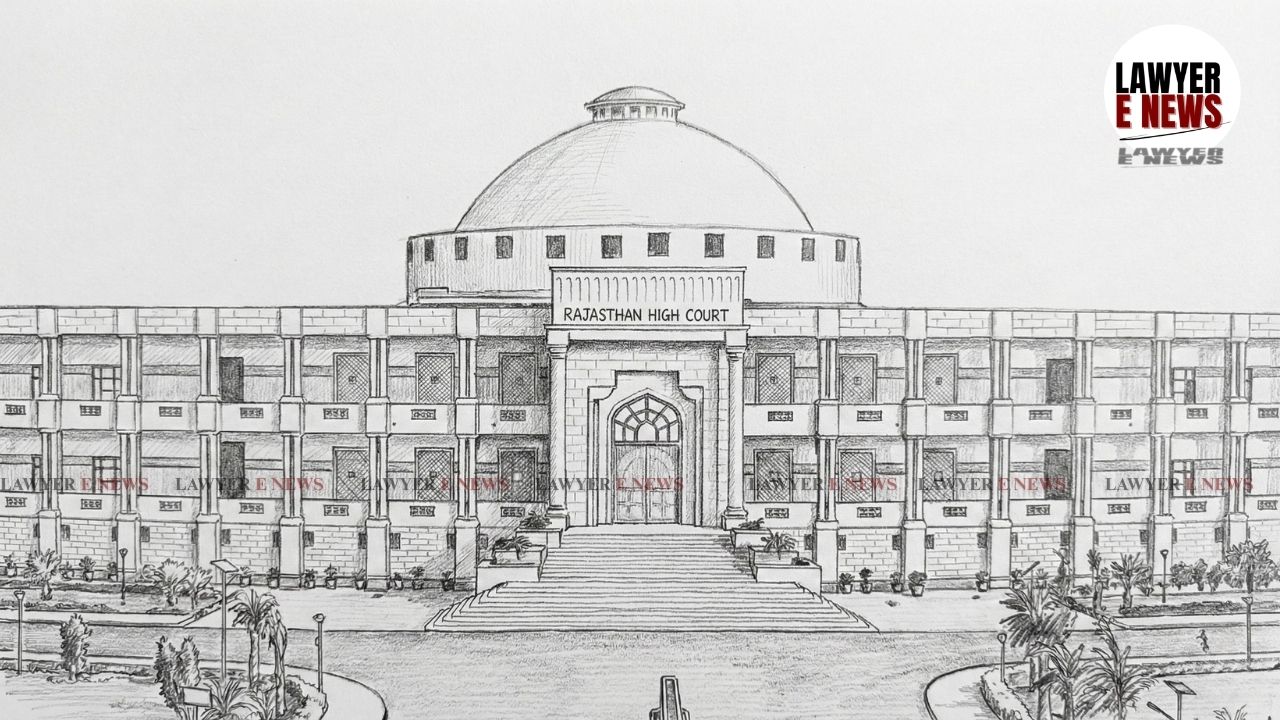
“Posting Misleading Material On Facebook Invading Privacy Or Reputation Constitutes Breach Of Fundamental Rights Under Article 21”, In a significant ruling addressing the misuse of social media and protection of children's privacy, the Rajasthan High Court held that posting misleading information on social media platforms such as Facebook falsely declaring a person missing violates the individual's personal liberty, dignity and reputation guaranteed under Article 21 of the Constitution of India.
High Court of Judicature for Rajasthan, Jaipur Bench, in the case Aaradhya Verma (Minor) Through Natural Guardian Nilima Verma v. State of Rajasthan & Others, directed Meta Platforms Inc. (parent company of Facebook) to immediately block and take down a misleading Facebook post declaring the minor petitioner missing and offering a reward of ₹1,00,000.
The judgment was delivered by Justice Anoop Kumar Dhand, who emphasized that false or misleading social media posts affecting an individual’s privacy and reputation amount to violation of fundamental rights under Article 21.
The petition was filed by a minor child through her natural guardian and mother, Nilima Verma, seeking protection from harassment caused by a misleading Facebook post.
The petitioner’s mother had married Atul Kant Verma on 12 November 2010, and the minor petitioner was born on 26 March 2013. After the unfortunate demise of the child’s father on 11 September 2015, the minor had been residing with her mother.
The dispute arose when a Facebook post allegedly uploaded in the name of the petitioner’s grandfather stated that the minor girl was missing from Ahmedabad and announced a reward of ₹1,00,000 for anyone who could locate her.
Following the post, unknown individuals began visiting the petitioner’s residence in Jaipur attempting to locate the child, causing fear, disturbance and violation of her privacy. Consequently, the petitioner approached the High Court seeking protection and removal of the misleading post.
The respondents, however, denied involvement in uploading the Facebook post. Their counsel submitted that the grandmother had already passed away and the grandfather, aged about 70 years, had not uploaded any such post, alleging that the petition had been filed merely to harass them.
The Court examined whether the continued presence of misleading content on social media platforms affecting the privacy and dignity of a minor child constitutes a violation of fundamental rights under Article 21.
Justice Dhand noted that it was undisputed that the minor was living with her mother and had not been reported missing, as no Missing Person Report (MPR) had been lodged with any police station.
Despite this, the misleading post declaring the child missing continued to remain visible on Facebook.
The Court observed:
“Posting of such misleading material on the Facebook or on any other social, electronic or print media amounts to violation of personal rights, dignity and reputation of an individual, as guaranteed under Article 21 of the Constitution of India.”
The Court further clarified that false or malicious content on social media intended to damage reputation or invade privacy directly infringes the fundamental right to life and personal liberty.
“If any misleading material on the Facebook or social media is found to be false, malicious and intended to damage the reputation or invade privacy of an individual… it constitutes the breach of his/her fundamental right which is provided under Article 21 of the Constitution of India.”
Intermediary Liability And Regulation Of Social Media Platforms
The Court also examined the responsibility of social media intermediaries under the Information Technology Act, 2000 and the Information Technology (Intermediary Guidelines and Digital Media Ethics Code) Rules, 2021.
Referring to Section 87 of the IT Act and Rule 3 of the IT Rules, 2021, the Court emphasized that intermediaries such as Facebook must exercise due diligence to prevent hosting or dissemination of false, misleading or privacy-invading information.
Rule 3 requires intermediaries to ensure users do not publish content that:
deceives or misleads regarding the origin of information
communicates patently false or misleading information
invades privacy or harms children
impersonates another person
The Court stressed the importance of regulating social media platforms to maintain a balance between freedom of expression and protection of dignity and rights of vulnerable individuals, particularly children.
Justice Dhand remarked:
“Social media companies may harm the dignity of anyone. Regulation of social media is essential to make a balance between freedom of expression with the dignity and rights of vulnerable group.”
The Court further noted that the misleading Facebook post had resulted in strangers visiting the minor’s residence to claim the announced reward, thereby interfering with her personal liberty and privacy.
Custody Of The Minor Child
Another issue raised before the Court concerned the custody of the minor child.
The respondents claimed that they had filed a custody application before a competent court. However, the petitioner disputed this claim and argued that any such application had already been rejected.
The High Court clarified that in the absence of any subsisting court order altering custody, the minor would continue to remain in the lawful custody of her natural guardian-mother.
The Court further stated that if any custody proceedings were pending, the decision of the competent court would govern the rights of the parties.
Directions Issued By The Court
Considering the facts and circumstances, the Court issued a specific direction to the parent company of Facebook.
The Court ordered Meta Platforms Inc. to immediately block and take down the misleading Facebook post and photographs of the petitioner from its platform.
Additionally, the Court directed that a copy of the order be sent to the registered office of Meta Platforms Inc. in India along with the relevant information relating to the misleading post.
With these observations and directions, the criminal miscellaneous petition was disposed of along with all pending applications.
The Rajasthan High Court’s ruling highlights the serious constitutional implications of false or misleading social media content, particularly when it affects children’s privacy, safety and dignity.
By recognizing that misleading online posts can directly violate Article 21, the Court reinforced the principle that digital platforms must exercise due diligence and accountability in preventing privacy-invading or false information.
The judgment serves as an important reminder that freedom of expression on social media cannot override the fundamental rights to dignity, reputation and personal liberty, especially in cases involving minors.
Date of Decision: 05 March 2026





