-
by sayum
01 October 2026 8:21 AM








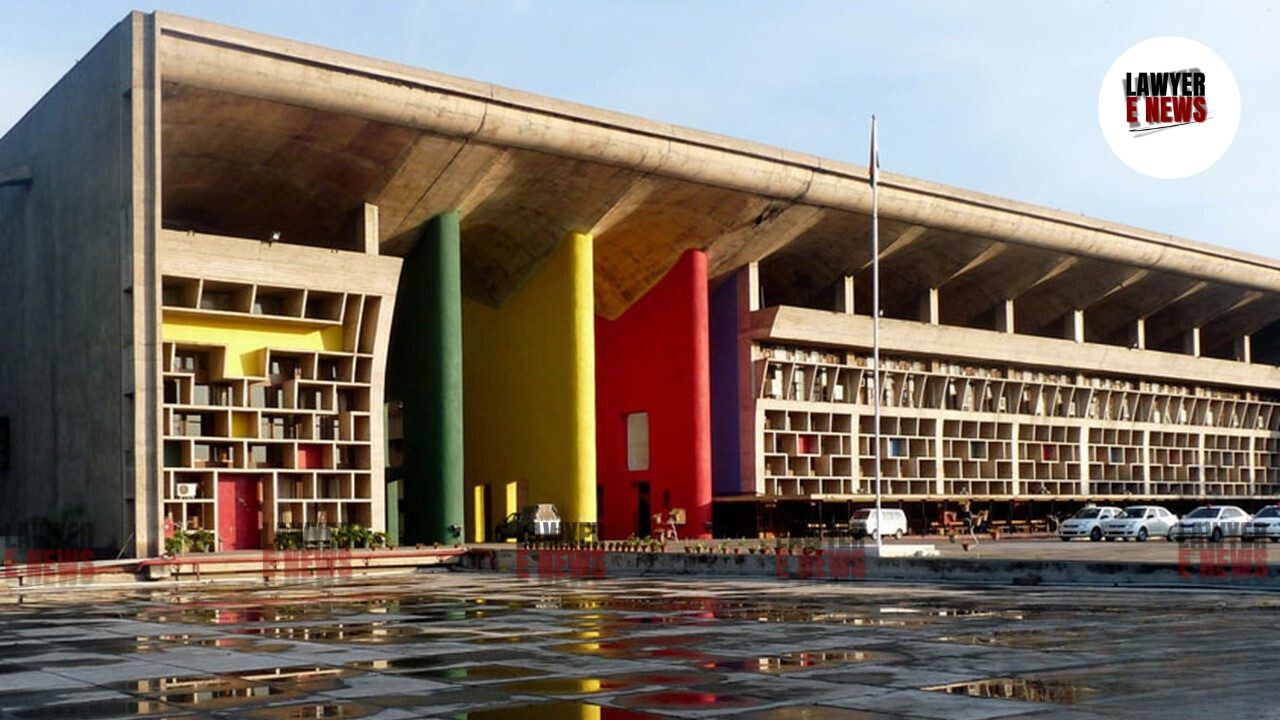
On September 6, 2024, the High Court of Punjab and Haryana granted bail to Balwinder Ram alias Mimi, who had been in custody for over a year in a case under the Narcotic Drugs and Psychotropic Substances (NDPS) Act. The court acknowledged the prolonged period of incarceration and cited several Supreme Court rulings where extended pre-trial detention was deemed to outweigh statutory restrictions under Section 37 of the NDPS Act.
Balwinder Ram was arrested on June 14, 2023, under FIR No. 46, registered at Police Station Ladhuwal, Ludhiana, under Section 22(c) of the NDPS Act for being in possession of 295 grams of heroin. He was apprehended during a police patrol and searched in the presence of a gazetted officer. The petitioner claimed he was falsely implicated, stating that he had been apprehended in his village and not while carrying drugs as alleged by the prosecution.
Since his arrest, charges were framed on November 30, 2023, but only one witness had been examined out of the 16 cited, most of whom were official witnesses.
The key legal issue was whether the court should grant bail in a case involving the commercial quantity of narcotics under the NDPS Act, given the restrictions imposed by Section 37 of the Act. The petitioner argued that his prolonged detention, exceeding one year, violated his fundamental right under Article 21 of the Constitution, which guarantees personal liberty.
The defense cited several precedents from the Supreme Court, where bail was granted despite the NDPS Act’s statutory restrictions due to prolonged custody and delays in the trial.
Justice Pankaj Jain of the Punjab and Haryana High Court heard the petition. The defense relied on the Supreme Court's ruling in Rabi Prakash vs. The State of Odisha (2023), which held that the twin conditions of Section 37 of the NDPS Act, though strict, should not override a petitioner’s right to liberty after prolonged incarceration. Other similar cases were also referenced, including Mohammad Salman Hanif Shaikh vs. The State of Gujarat (2022), Chitta Biswas vs. The State of West Bengal (2020), and Nitish Adhikary vs. The State of West Bengal (2022), all of which had granted bail on the grounds of extended detention.
The court accepted that the petitioner had spent over a year in custody with no significant progress in the trial, and prolonged incarceration without trial was inconsistent with Article 21 of the Constitution. The court, while not commenting on the merits of the case, held that prolonged custody alone warranted bail.
Prolonged Incarceration: The petitioner had been in custody for more than a year, which the court deemed sufficient to justify bail, especially given the slow progress of the trial.
Balancing Rights Under Article 21: The court emphasized that prolonged detention violated the petitioner’s fundamental right to personal liberty, as guaranteed by Article 21 of the Constitution, and must be considered even in cases under the NDPS Act.
No Merit-Based Commentary: The court made it clear that the grant of bail did not indicate any opinion on the guilt or innocence of the petitioner. It was purely based on the prolonged custody and slow trial process.
The prosecution was granted liberty to seek cancellation of bail in case of any violation of the conditions.
The High Court granted bail to Balwinder Ram alias Mimi, taking into account the excessive period of custody and the slow progress of the trial. The court's decision reflects a growing judicial focus on balancing the right to liberty with the statutory restrictions of the NDPS Act in cases of prolonged pre-trial detention.
Balwinder Ram alias Mimi vs. State of Punjab
Date of Decision: September 6, 2024