-
by sayum
24 August 2026 11:13 AM







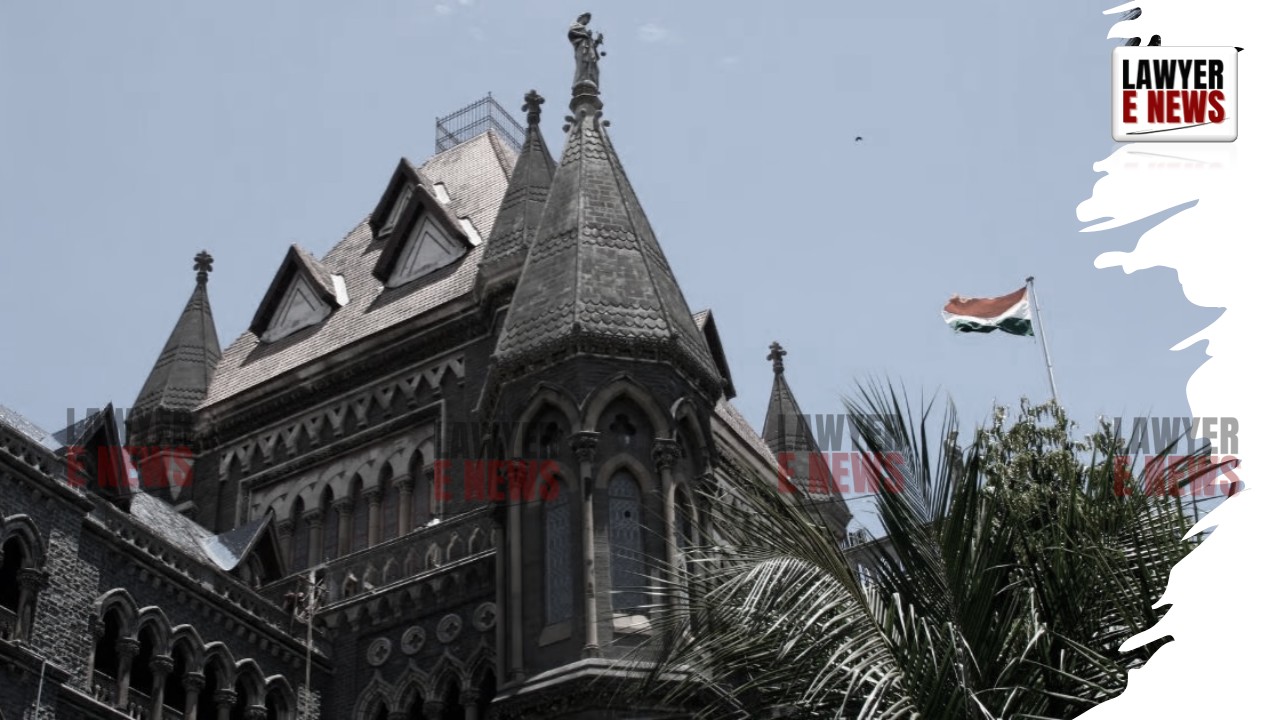
Bombay High Court Dismisses Plea for Regularization of Illegal Constructions; Directs Demolition of Unauthorized Buildings. The petitioners sought relief against demolition notices issued for apartments in the Saidham Apartments complex, constructed on government land without proper authorization. The petitioners also sought regularization of their apartments under Section 52A of the Maharashtra Regional Town Planning Act, 1966 (MRTP Act) and argued that the notices violated principles of natural justice.
The Court firmly held that unauthorized constructions cannot be regularized, especially when they are built on government land in violation of urban development norms. The petition was dismissed, though the Court kept the petitioners' rights open to claim compensation against the developers responsible for the illegal construction.
Demolition of Unauthorized Constructions on Government Land
The Court upheld its earlier judgment dated July 25, 2024, which conclusively determined that the Saidham Apartments were illegally constructed on government land. The judgment directed the demolition of the buildings and ordered the developer to deposit ₹8 crores for pro-rata distribution among flat purchasers. The Court reiterated, “The judgment dated 25th July, 2024, has attained finality with the dismissal of the SLP on 28th December, 2024. The petitioners’ attempts to challenge the demolition through this writ petition are a clear attempt to overreach the Court’s orders” [Paras 4-6].
The Court rejected the argument that the petitioners, as third-party purchasers, could claim relief from demolition. Referring to the precedent in Bombay Environmental Action Group v. Mumbai Municipal Corporation (1994), the Court noted, “Petitioners’ rights flow from an illegality. Innocent third-party purchasers cannot be protected where the underlying ownership is illegal. Their remedies, if any, lie against the developers” [Para 6(i)].
The petitioners argued that they were not heard in the prior proceedings resulting in the demolition order, which violated the principles of natural justice. Rejecting this contention, the Court observed, “The prior judgment conclusively decided the illegality of the constructions. The petitioners derive their rights from the same illegality, and no further hearings are warranted” [Paras 4-5].
The Court emphasized that the issue of illegality had been extensively adjudicated in the previous proceedings, and the Supreme Court’s dismissal of the SLP confirmed the demolition orders. It stated, “Delay in compliance, framed as requests for hearing or rehabilitation, is a tactic to evade the consequences of illegality” [Para 5.1].
The Court dismissed the petitioners’ plea for regularization of the constructions under Section 52A of the MRTP Act, observing that the applications were filed belatedly on January 14, 2025, during the pendency of the present proceedings. The Court noted, “The regularization application, tendered after conclusion of arguments, is not even filed with the concerned authority. Even if filed, it must be rejected outright in view of the incurable illegality” [Para 8].
The Court relied on the Supreme Court’s ruling in Rajendra Kumar Barjatya v. U.P. Avas Evam Vikas Parishad (2024), which emphasized that “Unauthorized constructions cannot be regularized except in exceptional circumstances, and such violations must be addressed with iron hands” [Para 6(iv)].
Referring to several Supreme Court precedents, including K. Ramdas Shenoy v. Chief Officer, Town Municipal Council, Udipi (1976) and Esha Ekta Apartments v. Municipal Corporation of Mumbai (2012), the Court reiterated, “Illegality is incurable. Unauthorized constructions, especially those on government land, pose a threat to public safety and urban planning, and they cannot be legitimized through regularization schemes except under extraordinary conditions” [Paras 6(iii), 7].
In particular, the Court quoted the Supreme Court in Rajendra Kumar Barjatya (2024):
“Unauthorized constructions, apart from posing a threat to the life of occupants and citizens nearby, adversely impact resources like electricity, groundwater, and access to roads. The master plan cannot be individual-centric but must prioritize the public interest and environmental balance” [Para 6(iv)].
While dismissing the petition, the Court clarified that the petitioners could seek compensation from the developers responsible for the illegal constructions. It stated, “The petitioners’ rights to claim compensation against the developers are kept open and may be pursued in appropriate legal forums” [Para 11].
The Court further highlighted that compensation awarded through the earlier judgment, amounting to ₹8 crores, was in addition to any claims the purchasers might pursue against the developers in civil courts.
1. Illegality of Construction: The buildings were conclusively held to be unauthorized in prior judgments. The Court observed, “The rights of third-party purchasers cannot override the foundational illegality of the constructions. Remedies must be sought against developers, not through judicial interference to regularize illegal structures” [Paras 6(i)-(ii)].
2. Non-Maintainability of Regularization Application: The Court found that the petitioners’ regularization application was a delayed afterthought. It stated, “Belated attempts to regularize illegal constructions cannot succeed, particularly when they contravene public interest and urban planning norms” [Paras 6(iv), 8].
3. Judicial Precedents: The Court adhered to settled principles from Supreme Court rulings, emphasizing that unauthorized constructions must be demolished to uphold the rule of law and safeguard urban development [Paras 6(iii)-(iv)].
4. No Violation of Natural Justice: The Court dismissed the argument of procedural unfairness, noting that the petitioners’ claims were conclusively adjudicated in prior proceedings, and no further hearings were warranted [Paras 4-5].
Key Directives by the Court
1. Demolition of Illegal Constructions: The Court upheld the demolition notices and directed the authorities to proceed as per the judgment dated July 25, 2024.
2. No Relief for Regularization: The plea for regularization under the MRTP Act was denied.
3. Compensation Claims Open: The petitioners’ right to claim compensation against the developers was preserved.
The Bombay High Court’s judgment reinforces the principle that illegality is incurable and unauthorized constructions, particularly on government land, must be dealt with strictly to protect urban planning and public interest. While dismissing the plea for regularization, the Court offered a glimmer of hope for flat purchasers by keeping open their right to claim compensation from developers responsible for the unauthorized constructions.
Date of Decision: January 15, 2025