-
by sayum
03 August 2026 1:43 PM







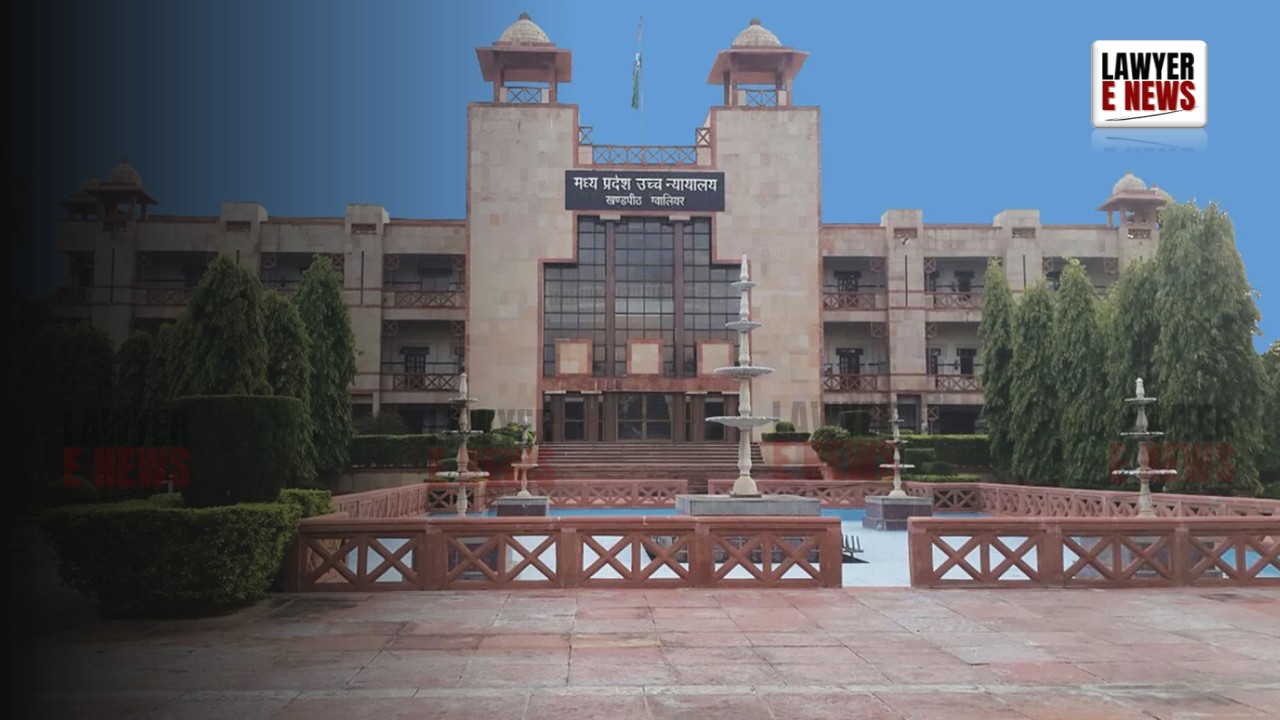
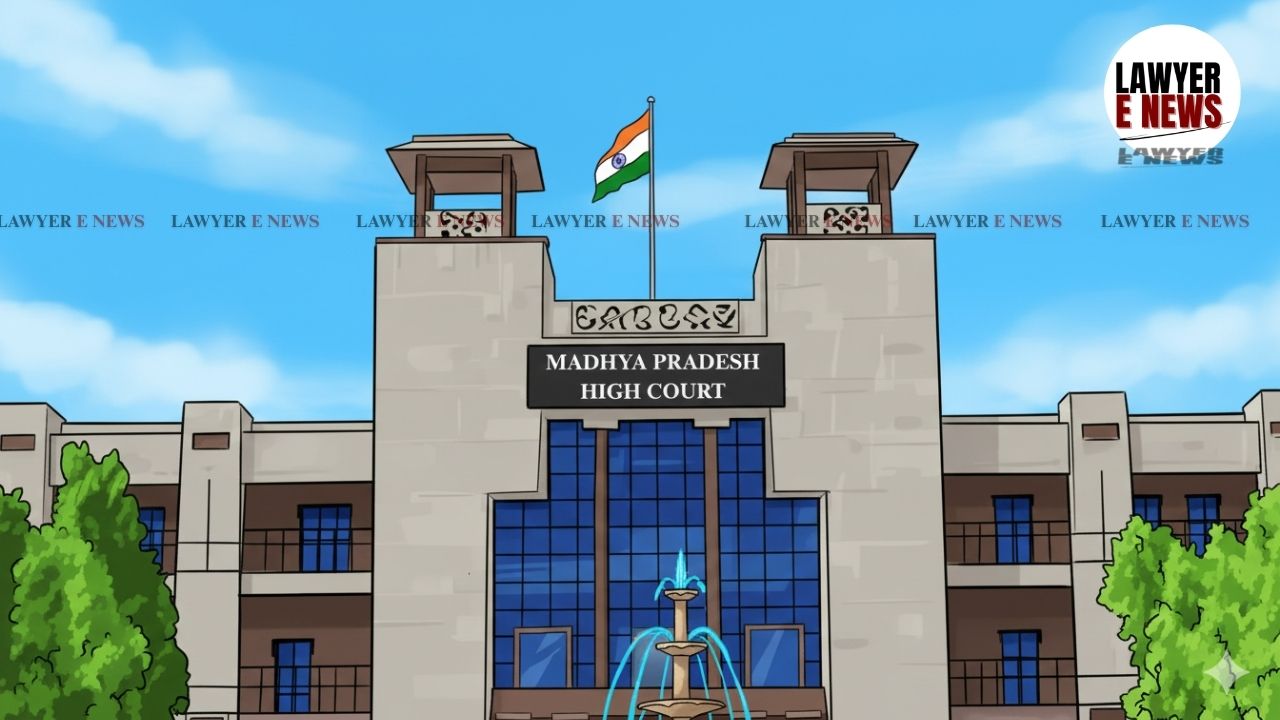
“A Drunken, Drugged Mind Isn’t Fit to Hang” — On April 17, 2025, the Madhya Pradesh High Court at Jabalpur, in a case that stunned Raisen District with its brutality, commuted the death sentence of Jitendra Purviya, convicted of murdering his wife, mother, father, and minor son, to life imprisonment of 20 years. While affirming his guilt under four counts of murder and for illegal possession of arms, the Division Bench comprising Justice Vivek Agarwal and Justice Devnarayan Mishra concluded that the intoxicated mental state of the accused, along with absence of prior criminal record, warranted sparing his life.
“Though the acts were brutal and four lives were lost, there is a compelling case that the accused was under the influence of intoxicants and not in a sound mental state when the murders occurred.”
“Axe, Gun, and Rage at 1:30 AM — A Whole Family Wiped Out in a Courtyard”
The chilling facts of the case date back to May 16, 2019, when Jitendra, in a fit of uncontrolled rage, allegedly attacked and killed his wife Sunita, father Jalam Singh, mother Sharda Bai, and 7-year-old son Shivyansh, with a combination of a country-made gun and an axe.
According to Ranjana Bai (PW-1), who lived next door, she awoke to gunshots and cries from
Sunita screaming, “Jitendra is killing us!” She and her son ran to the scene and saw Jitendra attacking family members. The survivors narrowly escaped, while the rest succumbed to violent injuries.
“The head of the child was shattered, his brain matter destroyed… deep chop wounds on the faces of the women. It was a scene of carnage,” noted the postmortem reports.
The trial court sentenced Jitendra to death under four counts of Section 302 IPC and other provisions under the Arms Act.
“He Was Not in His Senses — Ganja, Alcohol, and a Shattered Mind”: High Court Reassesses Penalty The High Court agreed with the prosecution on the question of guilt but took a different view on the sentence, carefully applying the “rarest of rare” doctrine.
Justice Agarwal observed, “The mitigating circumstances are substantial. The accused was not a habitual offender. Witnesses confirmed he was intoxicated at the time of the incident. This casts doubt on whether his mental faculties were functioning as required for the imposition of capital punishment.”
“There is nothing to show that Jitendra is beyond reformation. He has no prior record. His surviving minor son is also a consideration. Life imprisonment of 20 years is a proportionate sentence.”
“The Rarest of Rare Isn’t Just About the Crime — It’s Also About the Criminal”
Drawing from the Bachan Singh, Machhi Singh, and Swamy Shraddananda doctrines, the
Court reiterated that death sentence is an exception, not the rule, even in multiple homicide cases. It also applied the “two-part test” as clarified in Santosh Kumar Bariyar, requiring the Court to:
1. Determine whether the case falls within the rarest of rare.
2. Consider life imprisonment as a preferable alternative, unless ruled out.
“Life imprisonment is the rule. Death penalty can be justified only when the accused poses a continuing threat to society, and reformation is impossible.”
The Bench added that where intoxication and absence of motive or pre-planning are present, courts must lean towards reformative justice.
“You Didn’t Prove He Was a Monster — You Proved He Was Mad with Intoxication”
The Court acknowledged that the murders were horrific but ultimately found no evidence of prior enmity, no planning, and no continuing threat to society. It noted that the defence of sudden provocation was not fully accepted, but his intoxicated condition lowered the threshold for moral culpability.
“The offence, though heinous, is not one where life imprisonment would be inadequate. Intoxication, mental disturbance, and absence of malice must be considered.”
While upholding Jitendra Purviya’s conviction under all charges, the Madhya Pradesh High Court commuted his death sentence to life imprisonment for 20 years, to run concurrently on all counts. The Court emphasized that the justice system must always balance punishment with humanity.
“The law allows for mercy when there is room for reformation. In this case, the accused deserves incarceration, not execution.”
Date of Decision: April 17, 2025