-
by sayum
13 August 2026 1:48 PM








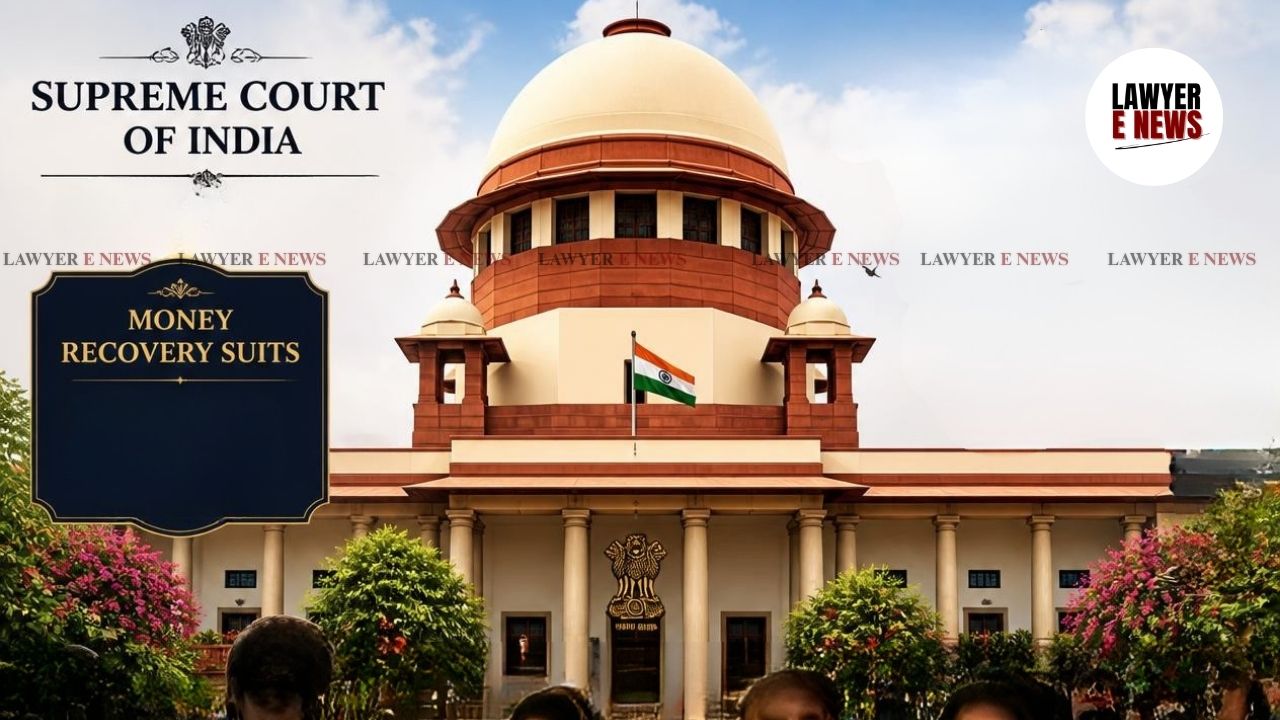
In a judgment delivered on January 27, 2025, the Supreme Court of India dismissed an appeal challenging the allotment of an LPG distributorship to the 4th respondent, which was based on allegations of procedural irregularities and overlapping land claims. The Court upheld the validity of the allotment process, finding no violation of the guidelines issued by the Ministry of Petroleum and Natural Gas.
The appellant, Jagwant Kaur, contended that the land offered by the 4th respondent was the same as that offered by another applicant, which should have led to disqualification under the guidelines. However, the Court rejected this argument, holding that the land parcels, though owned by the same lessor, were distinct and separate. The bench, comprising Justice Sudhanshu Dhulia and Justice K. Vinod Chandran, emphasized that, "The lessor’s shifting stance and contradictory affidavits cannot override the factual findings that the two lands were distinct and leased separately."
The Supreme Court also addressed the issue of alternate land being offered by the 4th respondent after the application process. Referring to its earlier judgment in Mrinmoy Maity v. Chhanda Koley & Ors., the Court reiterated that offering alternate land is permissible under the guidelines when the originally offered land becomes unsuitable or disputed. "The flexibility provided by the revised guidelines of 2015 ensures that legitimate applicants are not unfairly disqualified due to circumstances beyond their control," the Court observed.
The alternate land, acquired due to disputes with the lessor of the initially offered land, was verified and found to meet all the necessary specifications under the advertisement. The Court noted, "The alternate land’s acceptance by the Corporation was valid and did not prejudice the appellant's rights."
The appellant also argued that affidavits from landowners, executed at the field verification stage, violated the guidelines, as they were not submitted at the time of the application. However, the Court clarified that under the guidelines, affidavits of co-owners or joint lessees can be obtained during field verification. The Court held, “The guidelines do not require such affidavits to be executed prior to the application deadline unless the land is jointly owned or leased.”
The Court highlighted that the lessor had initially executed an affidavit confirming that the land leased to the 4th respondent was not offered to any other applicant. Subsequent contradictory affidavits by the lessor were deemed unreliable and inconsistent with the verified revenue records.
The Supreme Court rejected the appellant's claims, stating that the factual findings by the High Court remained unchallenged by any credible evidence. The Court observed that the Corporation had verified the distinct ownership and leasehold status of the land parcels and found no infirmity in the allotment process. The judgment emphasized that "the allotment was in compliance with the guidelines, and the alternate land offered by the 4th respondent further reinforces the validity of the allotment."
The appeal was dismissed, with each party bearing its own costs.
Date of Decision: January 27, 2025