-
by sayum
27 July 2026 10:58 AM







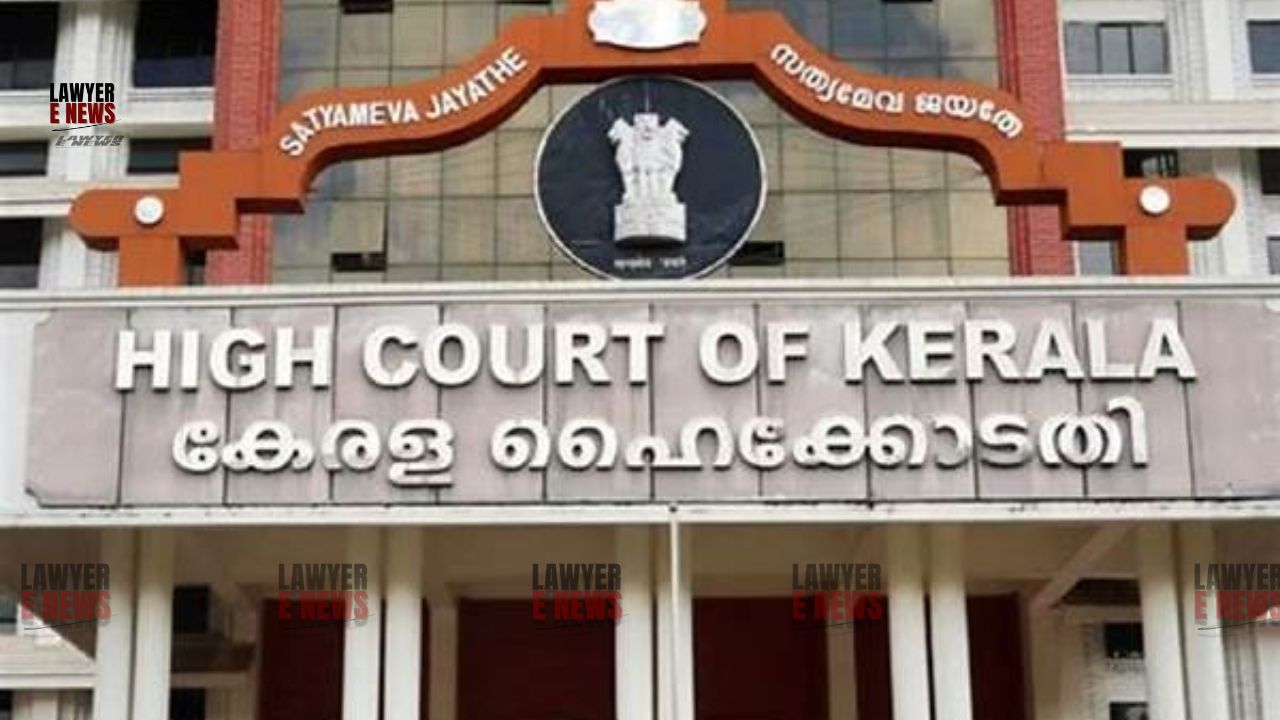
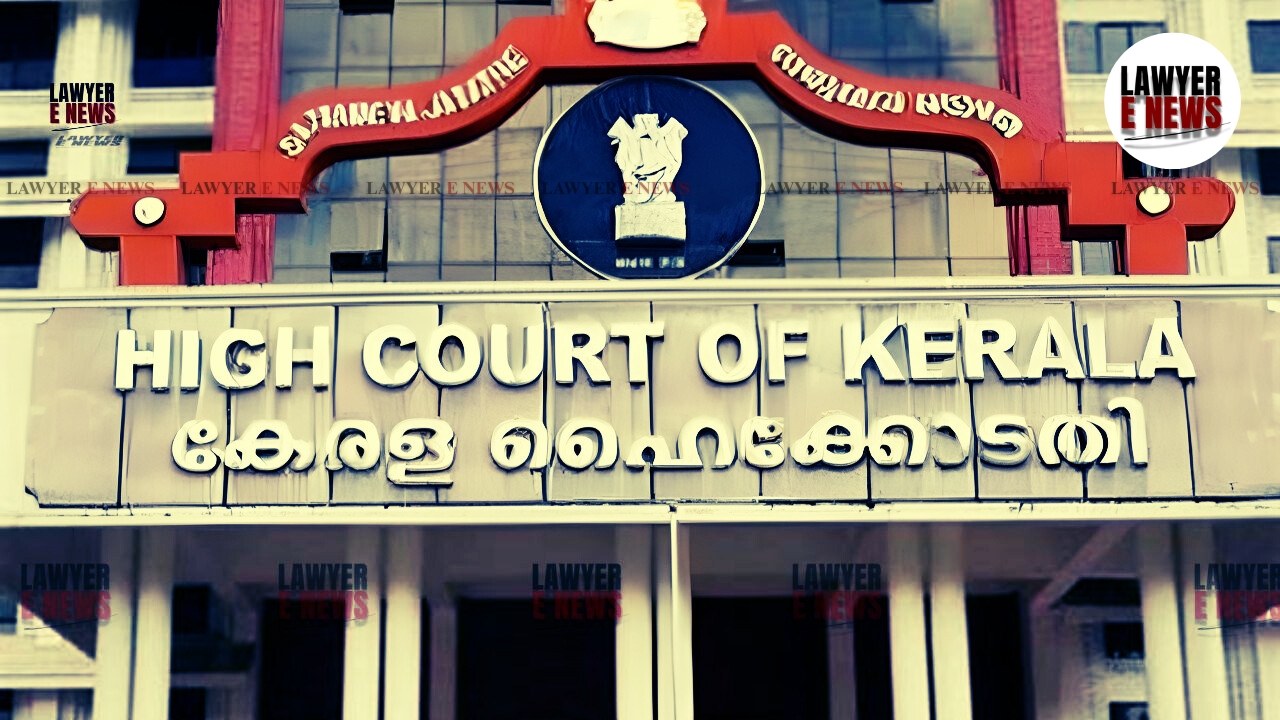
Vehicle owners must verify driver’s licence to avoid liability for policy breach - Kerala High Court has upheld the Motor Accident Claims Tribunal's (MACT) order permitting an insurance company to recover compensation paid to accident victims from the vehicle owner, C. Ibrahim Musliar. The Court found that the owner had failed to verify the driver’s licence and competence, which constituted a breach of the insurance policy conditions. Dismissing the appeal, the Court reiterated that the liability to third-party victims is absolute, but the insurer retains the right to recover from the vehicle owner if policy terms are breached.
The case arose from a fatal accident on April 4, 2016, when a Scorpio car, driven rashly and negligently by the first respondent, collided with a motorcycle, killing the rider (Muhammed Shafeeq) and the pillion rider (Hanees Mubaraq). The legal heirs of the deceased sought compensation from the driver, owner (C. Ibrahim Musliar), and the insurance company under the Motor Vehicles Act.
The MACT found the driver at fault for the accident and noted that he lacked a valid driving licence, breaching the insurance policy terms. While ordering the insurer to compensate the victims, the Tribunal allowed the company to recover the amount from the owner. The owner challenged this decision, arguing that he could not be held responsible for verifying the authenticity of the driver’s licence.
Justice Johnson John dismissed the appeals and upheld the Tribunal’s findings. The judgment focused on the statutory obligations of vehicle owners under the Motor Vehicles Act and the legal principles governing the insurer’s liability and recovery rights.
The Court emphasized that under Section 5 of the Motor Vehicles Act, vehicle owners are responsible for ensuring that drivers possess valid licences. The owner, however, failed to produce any evidence to show he had verified the licence or tested the driver’s competence.
Referring to the Supreme Court judgment in United India Insurance Co. Ltd. v. Lehru [(2003) 3 SCC 338], the Court observed:
“Vehicle owners must check the validity of a driver’s licence and test the driver’s competence before employment. Failure to do so constitutes negligence and a breach of insurance policy conditions.”
The insurance policy (marked as Exhibit B2) specifically required the driver to hold an effective licence. The absence of a valid licence constituted a clear policy breach.
The appellant-owner argued that he had no means to verify the driver’s licence. However, he failed to present any evidence or file a written statement before the Tribunal to substantiate his claims. The High Court noted:
“Merely appearing through counsel without filing a written statement or presenting evidence is insufficient to rebut the presumption of negligence.”
The Court found that the owner did not take reasonable steps to ensure the driver’s competence, as mandated under Section 5 of the Motor Vehicles Act.
The High Court dismissed the appeals and upheld the pay-and-recovery order of the MACT. The Court ruled that while the insurer was liable to compensate the accident victims, it had the right to recover the amount from the vehicle owner due to his negligence in verifying the driver’s licence. No costs were imposed.
This judgment reinforces the principle that vehicle owners have a statutory responsibility to verify their drivers’ credentials and competence. It highlights the balance under the Motor Vehicles Act: protecting accident victims while allowing insurers to recover from negligent vehicle owners in cases of policy breaches.
Date of Decision: December 13, 2024