-
by sayum
05 October 2026 9:18 AM







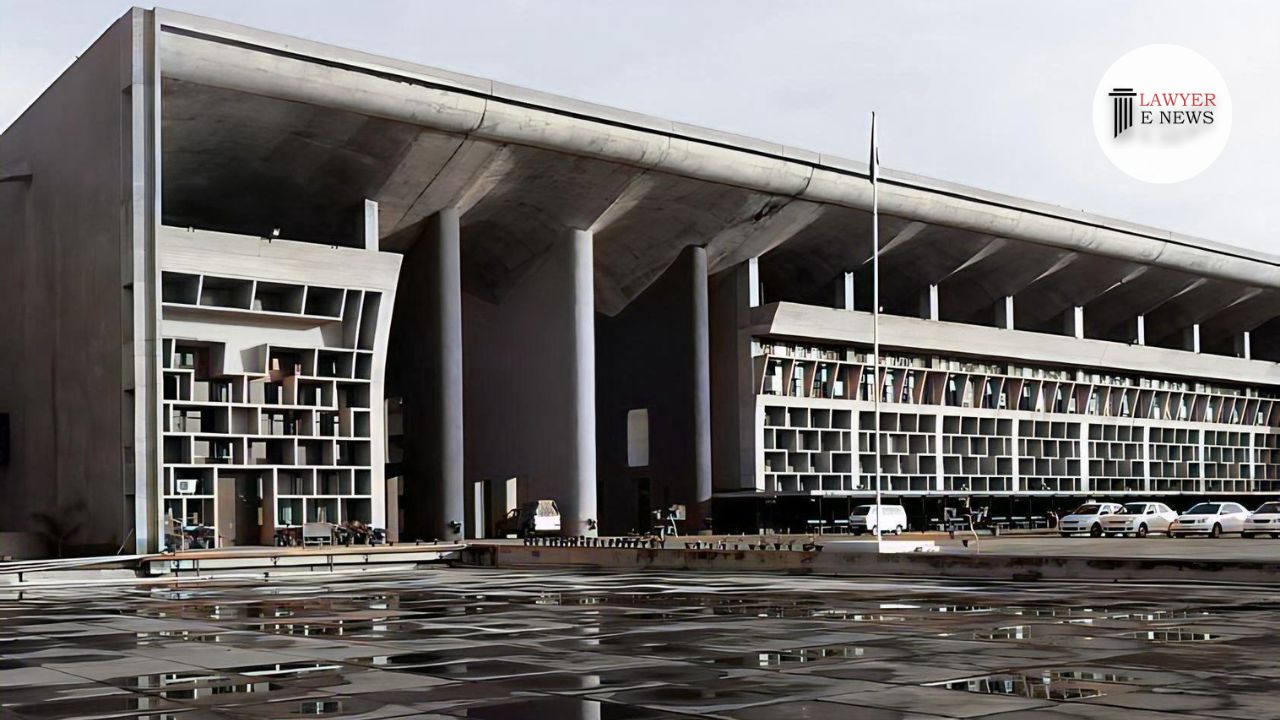
In a significant judgment delivered on 13th February 2024, the High Court of Punjab and Haryana dismissed two revision petitions, CRR No.665 of 2023 and CRR No.2244 of 2023, against interlocutory orders, citing their non-maintainability under Section 397(2) of the Cr.P.C. Hon'ble Mrs. Justice Manjari Nehru Kaul, presiding over the case, emphasized the supremacy of the Supreme Court's rulings in maintaining judicial discipline and integrity.
The crux of the judgment revolved around the maintainability of revision petitions against interlocutory orders in criminal cases. The court evaluated the applicability of Sections 397 and 482 of the Cr.P.C., confronting the question of whether such petitions could be entertained contrary to the established legal principles laid down by the Supreme Court.
The two revision petitions arose from the same FIR and challenged different orders passed by the Special Judge, CBI, Punjab. CRR No.665 of 2023 contested the dismissal of an application for supplying the original statement of the complainant, while CRR No.2244 of 2023 was against the allowance of summoning additional witnesses by the respondent, CBI.
Justice Kaul meticulously examined the submissions from both parties. The petitioners, represented by senior counsel, cited previous instances where similar petitions had been entertained. They argued for a liberal interpretation to ensure justice and consistency in judicial decisions. Conversely, the counsel for the CBI stressed the impermissibility of challenging interlocutory orders, both directly under Section 397 and indirectly under Section 482 of the Cr.P.C., referencing the Supreme Court's judgment in 'Girish Kumar Suneja vs. Central Bureau of Investigation'.
Justice Kaul referred to the Supreme Court's decision in 'Sethuraman vs. Rajamanickam', which clearly barred revisions against interlocutory orders. She underscored that judicial propriety necessitates adherence to the apex court's decisions, and revisiting settled laws would compromise the legal system's integrity.
The court concluded that the revision petitions were not maintainable, thereby dismissing both. Justice Kaul's decision reaffirmed the fundamental legal principle that lower courts are bound by the rulings of the Supreme Court to ensure a coherent and consistent legal system.
Date of decision: 13th February, 2024
Amarjit Singh VS Central Bureau of Investigation