Corporate Veil Can Be Lifted In Real Estate CIRP To Include Subsidiary's Assets If Inextricably Connected: Supreme Court S. 138 NI Act | No Enforceable Debt Exists If Cheque Is Presented Before Crystallisation Of Liability: Bombay High Court Premature Transfer Of Armed Forces Personnel Requires Administrative Justification Even If No Vested Right To Posting Exists: Gauhati High Court Sale Of Property Furnished As Solvent Surety For Leave To Defend Amounts To Civil Contempt: Bombay High Court Video Conferencing Not Permissible For Reconciliation In Matrimonial Disputes Until Settlement Efforts Fail: Andhra Pradesh High Court Insurer Notified Of Accident Within 30 Days Cannot Escape Liability For Statutory Interest Under Employees' Compensation Act: Madras High Court Mining Lease Holders Must Pay Compensatory Afforestation Charges For 'Broken-Up' Areas To Extend Forest Clearance: Karnataka High Court Karnataka High Court Upholds Conviction Of Dance Teacher For Sexually Assaulting Student, Reduces Life Sentence To 10 Years RI Revision Against Ex-Parte Maintenance Order Not Maintainable Without Seeking Recall From Trial Court: Madhya Pradesh High Court Magistrate Loses Jurisdiction To Pass Orders After Prevention Of Corruption Act Sections Are Added To FIR: Calcutta High Court Non-Compliance With Section 47 BNSS Regarding Informing Grounds Of Arrest Vitiates Detention, Accused Entitled To Bail: Orissa High Court Time-Bound Insolvency Resolution Impossible Without Infrastructure: Supreme Court Takes Suo Motu Cognizance Of NCLT Vacancies & Delays Recovery Becomes Mere Seizure If Disclosure Statement Not Recorded Under Section 27 Evidence Act: Allahabad High Court Acquits Murder Convict Bidder’s Failure To Disclose Past Debarment In Affidavit Is Fraudulent; Vitiates Contract Even If Debarment Period Ended: Rajasthan High Court High Court Cannot Entertain Second Appeal Against Acquittal If Appellate Remedy Already Exhausted; Cannot Convert Acquittal To Conviction In Revision: Supreme Court Conviction Sustainable Despite Eye-Witnesses Turning Hostile Based On Conduct & 'Res Gestae' Evidence: Allahabad High Court Judicial Temperament vs. Courtroom Decorum: AP High Court’s 24-Hour Custody Order Increasing Supreme Court Judge Strength to 38 Navigating the Supreme Court’s Crackdown on AI-Generated "Hallucinations"

Increasing Supreme Court Judge Strength to 38

06 May 2026 3:09 PM

By: sayum


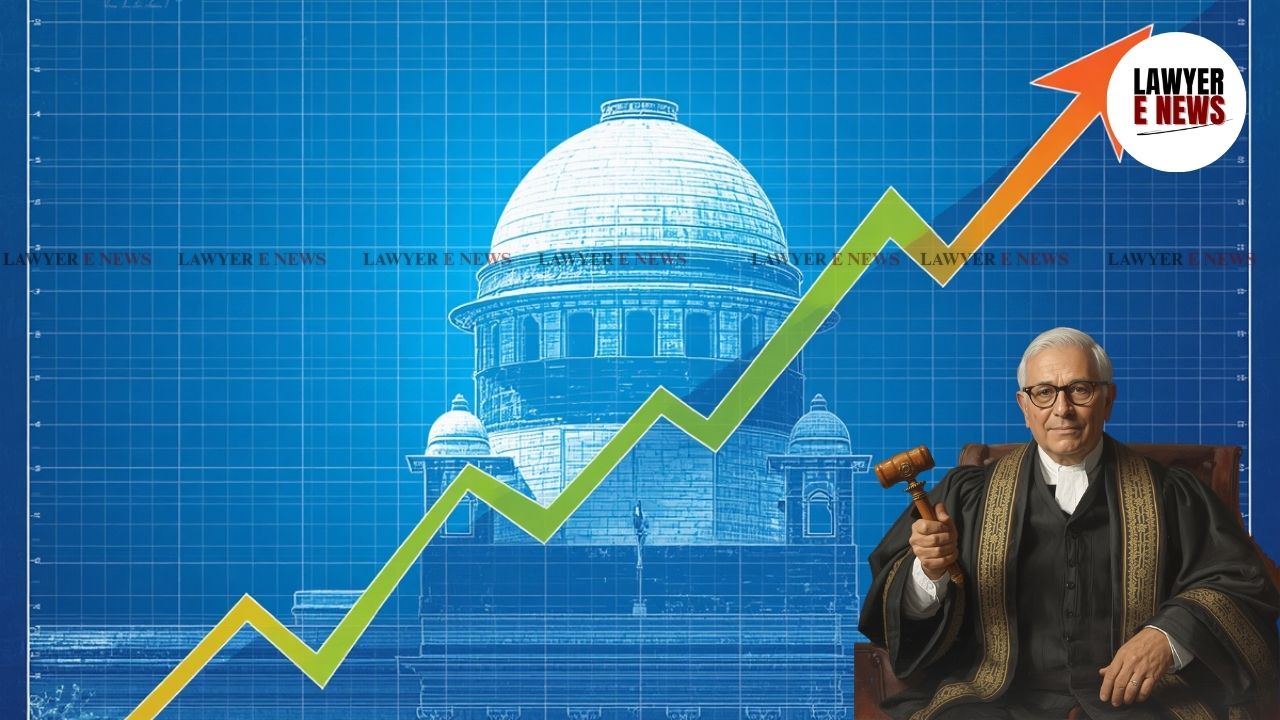
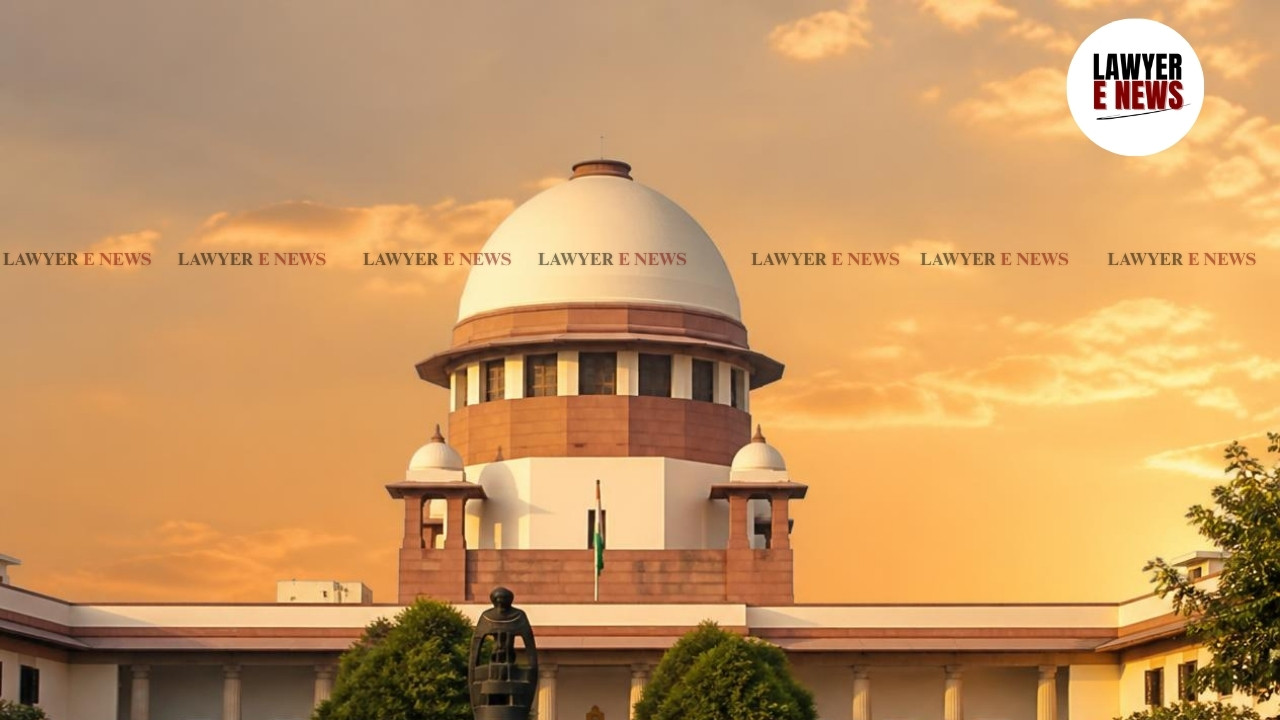
In a significant move to address the perennial "productivity paradox" of the Indian judiciary, the Union Cabinet, chaired by the Prime Minister, has approved a proposal to increase the sanctioned strength of the Supreme Court (SC) of India from 34 to 38 judges (including the Chief Justice of India). This development, announced on May 5, 2026, marks the first expansion of the top court since 2019. By amending the Supreme Court (Number of Judges) Act, 1956, the government aims to equip the judiciary with the manpower required to tackle a caseload that recently breached the 92,000-case mark.

The expansion of the Supreme Court involves several constitutional and statutory layers:

  1. Constitutional Authority under Article 124(1): The Constitution originally envisaged a Supreme Court of eight judges (1 CJI + 7 puisne judges). However, it expressly empowered Parliament to increase this number by law.
  2. Statutory Mechanism: The Supreme Court (Number of Judges) Act, 1956 is the legislative instrument used to effectuate these changes. The proposed Supreme Court (Number of Judges) Amendment Bill, 2026 will be the latest in a series of amendments (1960, 1977, 1986, 2008, and 2019).
  3. The Pendency Crisis: As of early 2026, the SC faced a staggering pendency of approximately 92,101 cases. While disposal rates have hit historic highs, the rate of institution (new filings) continues to outpace the court's current capacity.

Quality, Quantity, and the Constitutional Mandate

The decision to add four more judges is not merely a numbers game; it is a strategic necessity for the "Court of Last Resort."

Historical Context of Expansion Since its inception, the SC has seen its strength grow from 8 to 11 (1956), 14 (1960), 18 (1977), 26 (1986), 31 (2008), and 34 (2019). Each expansion has been a reactive measure to the ballooning Special Leave Petition (SLP) docket.

The "National Court of Appeal" Debate Practitioners must view this expansion through the lens of the Ratio Decidendi in V. Vasanthakumar v. Union of India (2016). In this matter, the Supreme Court referred the plea for a "National Court of Appeal" to a five-judge Constitution Bench. The core legal principle highlighted was that the Supreme Court’s primary function—to decide substantial questions of constitutional law—is being overshadowed by its role as a court of error-correction in routine civil and criminal appeals.

By increasing the strength to 38, the CJI will have more flexibility to constitute dedicated Constitution Benches under Article 145(3) (which requires a minimum of five judges) without significantly depleting the strength of the regular benches that handle the daily "miscellaneous" board.

Administrative and Fiscal Impact The salaries and infrastructure for the additional four judges will be drawn from the Consolidated Fund of India. However, the real challenge lies in the Collegium’s ability to swiftly fill these new vacancies with candidates of high jurisprudential caliber to ensure that quantity does not dilute the quality of the Bench.

Practical Takeaways for Lawyers

  1. Faster Disposal of SLPs: An increased number of benches should theoretically reduce the "wait time" for admission hearings and final disposals, provided the roster is managed efficiently.
  2. Specialized Benches: With 38 judges, there is a higher probability of the CJI constituting specialized benches (Tax, Arbitration, Criminal, Land Acquisition) for longer durations, leading to greater consistency in judicial outcomes.
  3. Constitution Bench Regularity: We expect a more consistent listing of matters involving "substantial questions of law," preventing the "stalling" of landmark constitutional disputes due to the unavailability of judges.

The Union Cabinet's nod to expand the Supreme Court to 38 judges is a welcome, albeit overdue, intervention. While increasing the judge-to-population ratio at the apex level is vital, it must be accompanied by holistic reforms in case management and a curb on the "culture of adjournments." For the legal fraternity, this expansion offers a glimmer of hope for a more agile and accessible Supreme Court, capable of fulfilling its dual role as the protector of the Constitution and the final arbiter of justice.


 

Latest Legal News