
-
by sayum
21 October 2026 5:27 PM







D.D:02-08-2022
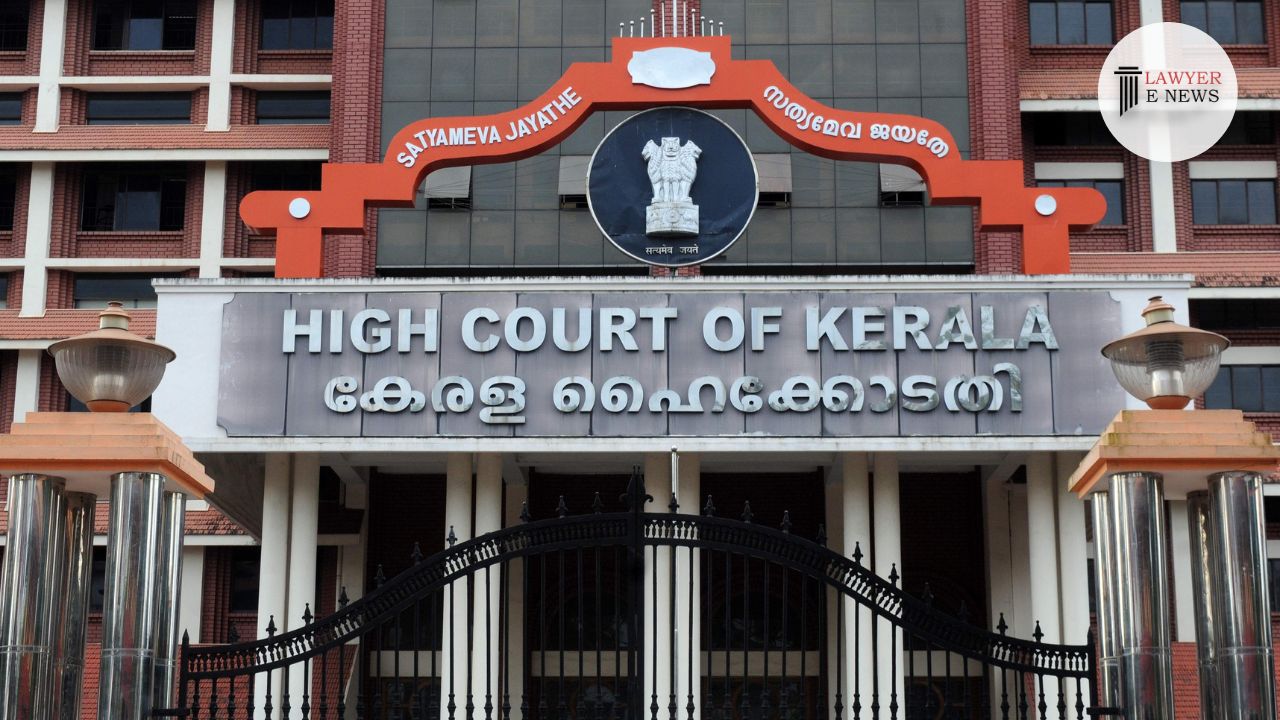
Tuesday, the Kerala High Court ruled that just because an accused was found liable to be punished under Section 498A of the Indian Penal Code (IPC), it does not necessarily follow that he must also be found guilty of aiding and abetting the suicide of the aforementioned woman under Section 306 IPC.
According to Sections 113B and 113A of the Indian Evidence Act, both the dowry death offence under Section 304B IPC and the aiding suicide offence under Section 306 IPC impose an inverted burden of proof on the accused.
It did note, however, that the fact that certain provisions of special acts shift the burden of proof to the defendant does not render those provisions unconstitutional.
In this regard, it cited Noor Aga v. State of Punjab and Others as an example of the reverse burden placed on the accused by the Narcotic Drugs and Psychotropic Substances Act of 1985.
The aforementioned decision concluded that the provisions of the NDPS Act imposing a reverse burden of proof do not violate the Constitution, and that the constitutionality of a penal provision placing the burden of proof on the accused must be tested against the State's duty to protect innocent citizens.
The High Court was hearing an appeal filed by a man and his mother, who were both charged in connection with the suicide of a woman due to dowry harassment.
The appellants were charged under Indian Penal Code sections 304B (dowry death), 306 (attempt to commit suicide), and 34 (acts committed by multiple individuals in furtherance of a common purpose) (IPC).
They were convicted and sentenced by the Sessions Court, which prompted the current High Court appeal.
The court emphasised that when an offence under section 304B of the Indian Penal Code is alleged, it has a direct relationship with section 113B (presumption of dowry death) of the Indian Evidence Act of 1872.
However, it stated that "once the prosecution established that the lady's death was the result of cruelty or harassment by her husband or any relative of her husband shortly before her death within seven years of their marriage," the burden is placed on the defendant "to disprove, and if he fails to rebut the presumption under Section 113B of the Evidence Act, the court is compelled to act on it."
In this case, the court determined that the prosecution successfully established the following fundamental elements for invoking Section 304B provisions against the husband: The death of a woman must have occurred under unusual circumstances; within seven years of her marriage; shortly before her death, she must have been subjected to cruelty or harassment by the accused; and in connection with any demand for dowry, the accused must be presumed to have committed a heinous act.
It found, however, that the defence had failed to prove the husband's innocence under Sections 304B and 306 of the IPC.
After reviewing the case's facts, the Court upheld the conviction and sentence of the first appellant (the husband of the victim).
In the case of the mother, the court determined that the prosecution had failed to establish that she was responsible for the alleged offences, and consequently acquitted her.
AJAYAKUMAR
Versus
STATE OF KERALA