-
by sayum
03 October 2026 9:56 AM








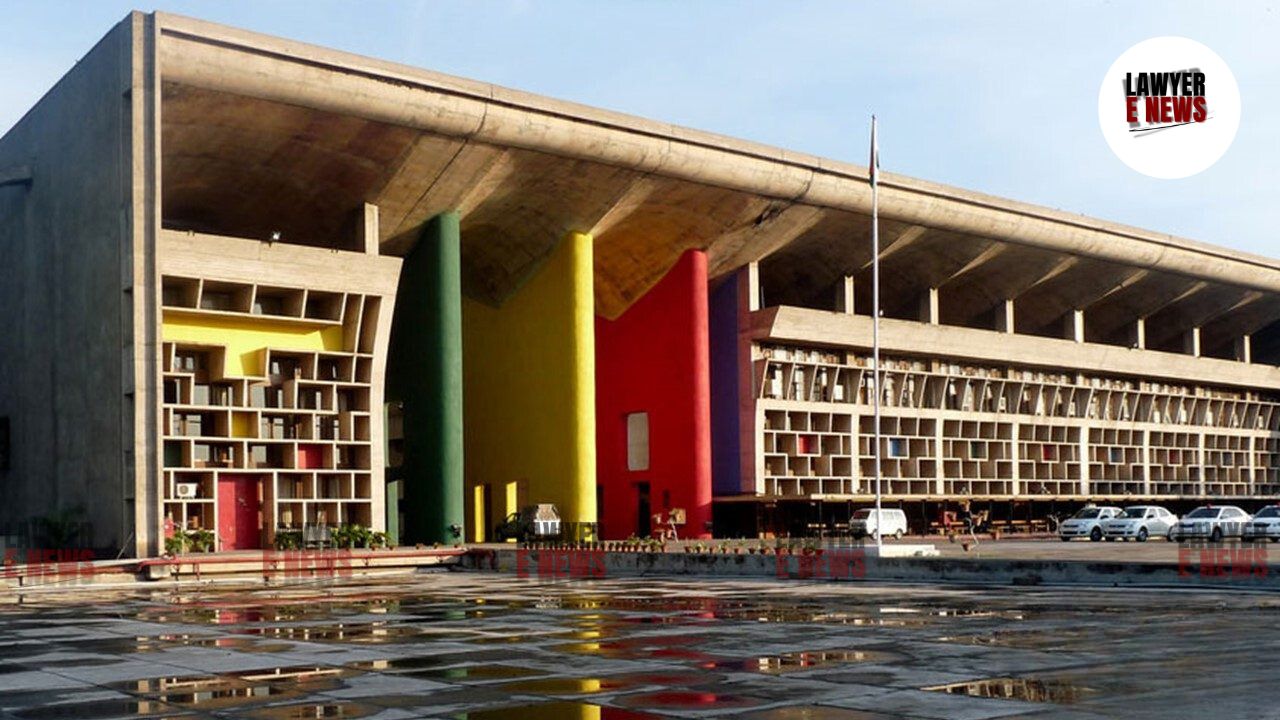
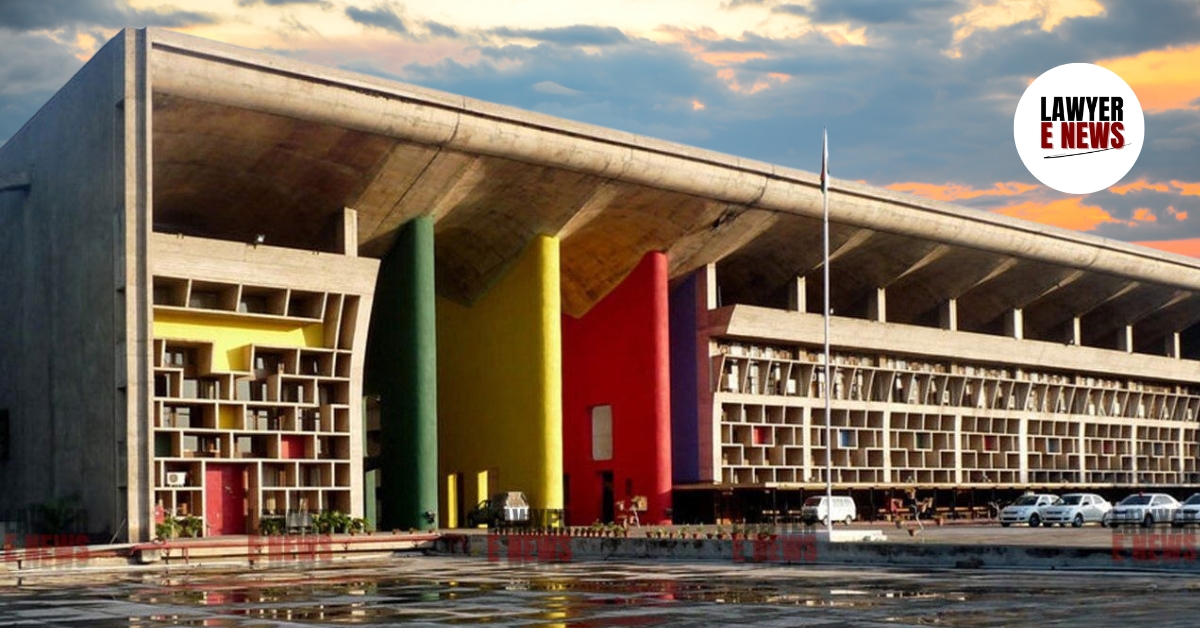
In a notable judgment, the Punjab and Haryana High Court, led by Hon’ble Justice Karamjit Singh, has set a precedent in a banking dispute case involving Lekh Ram and the State Bank of India. The court overturned a lower court’s decision that had denied the petitioner’s request to summon the Branch Manager of the respondent bank with crucial documents.
Justice Singh, in his observation, emphasized the petitioner’s rights, stating, “The petitioner has every right to establish his defence by summoning the concerned record which is lying in the office of respondent Bank.” This statement underlines the importance of allowing parties in a dispute to access necessary documents for their defense, especially in complex financial cases.
The dispute originated from a recovery suit filed by the State Bank of India against Lekh Ram for an alleged default on a credit facility. The petitioner contested this claim, asserting regular interest payments and highlighting a related dispute over insurance premium payments handled by the bank.
In a previous hearing, the lower court had dismissed the petitioner’s application to summon the bank manager and specific documents, citing that the petitioner failed to establish their relevance during the cross-examination of the bank’s official who had appeared as a witness. Challenging this decision, the petitioner approached the High Court.
The High Court’s decision, parting ways with the lower court’s judgment, granted the petitioner the permission to summon the relevant bank official along with specified documents. However, the court excluded the KYC norms of the respondent bank from this directive. Justice Singh clarified, “The exact relevancy of the documents could be assessed only after going through their contents.”
Further, the High Court directed that a different bank official, other than the one who had already testified, could be summoned with the records. This move ensures that the petitioner’s right to a fair trial and defense is upheld.
In his concluding remarks, Justice Singh stated, “Any observations made hereinabove are not to be considered as opinion on merits of case.” This statement highlights the court’s neutral stance on the case’s outcome while ensuring procedural fairness.
Date of Decision: 29.11.2023
Lekh Ram VS State Bank Of India