-
by sayum
10 October 2026 11:19 AM







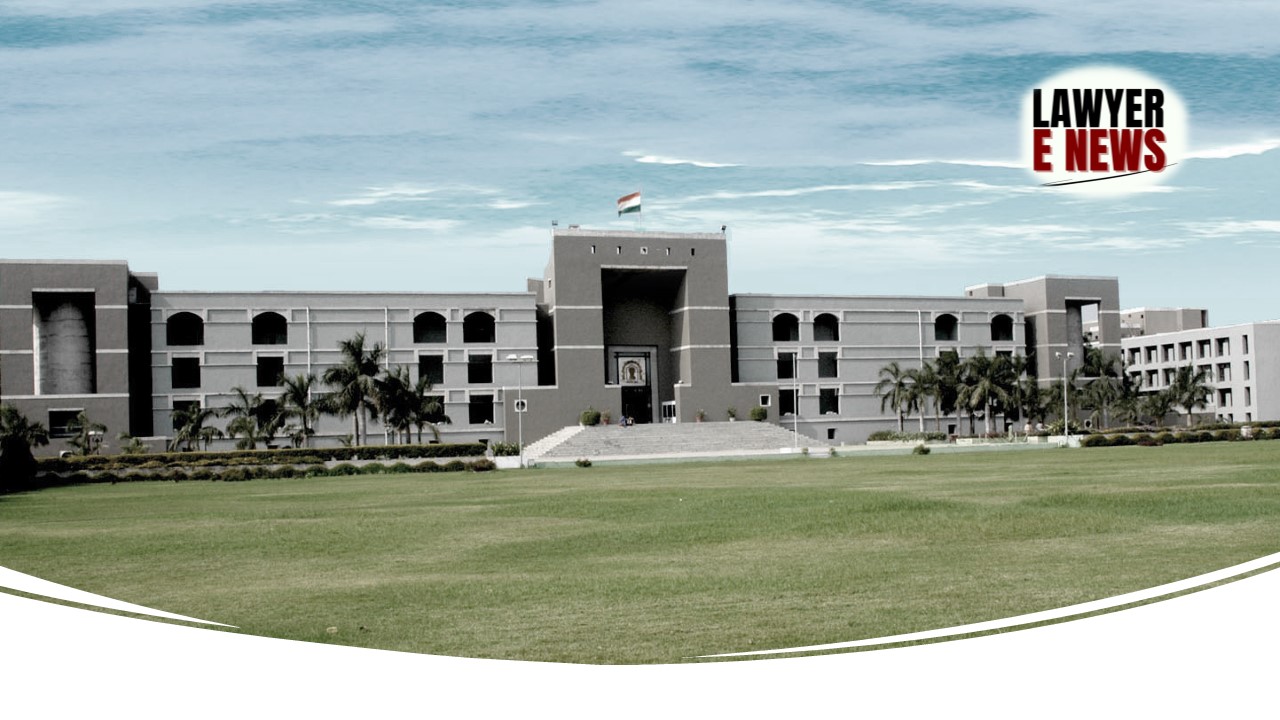
Gujarat High Court in United India Insurance Co. Ltd. vs. Bipinkumar Manilal Mardiya & Ors., dismissed an appeal by United India Insurance challenging the award of Rs. 8,03,000/- granted by the Motor Accident Claims Tribunal (MACT). The insurance company contended that the award exceeded the claimed amount and that deductions for personal expenses were incorrectly calculated. Justice Sandeep N. Bhatt held that the Tribunal's award was fair and just, even if some calculation errors occurred, as there was no cross-appeal by the claimants.
The case arose from a road accident on August 5, 2006, when a Tata Sumo car, insured by United India Insurance, collided with a rickshaw. The accident resulted in the death of Premilaben Arvindbhai Rathwa, leading her legal heirs—her husband and three minor children—to file a compensation claim. The Motor Accident Claims Tribunal, Panchmahals, awarded Rs. 8,03,000/- to the claimants, holding the driver, owner, and the insurance company of the Tata Sumo jointly liable.
The insurance company filed an appeal under Section 173 of the Motor Vehicles Act, 1988, contesting the Tribunal’s award, arguing that:
The awarded amount exceeded the claimed sum of Rs. 7.5 lakhs. The Tribunal incorrectly deducted only 1/10th of the deceased’s income for personal expenses, whereas 1/4th should have been deducted based on the Pranay Sethi guidelines.
The insurance company argued that the Tribunal’s deduction of 1/10th for personal expenses was incorrect, citing the Pranay Sethi ruling, which mandates a 1/4th deduction. The court agreed that the Tribunal had erred in this calculation, but noted that even with a 1/4th deduction, the overall compensation would have been slightly higher due to the application of a correct multiplier and general damages.
"The Tribunal wrongly deducted 1/10th for personal expenses instead of 1/4th, but since there is no cross-appeal by the claimants, enhancement of the award is not warranted." [Para 6.1]
The insurance company also contended that the awarded compensation exceeded the claim of Rs. 7.5 lakhs. The court emphasized that under Section 168 of the Motor Vehicles Act, 1988, Tribunals have the authority to award “just and fair” compensation, even if it exceeds the amount claimed.
“The provisions of the Motor Vehicles Act prioritize ‘just and fair’ compensation. The Tribunal's award is justified in light of the principles of fairness, reasonableness, and equitability.” [Para 5]
The Tribunal applied a 17 multiplier, whereas the correct multiplier based on the deceased’s age should have been 18. Additionally, the Tribunal considered a 50% increase in prospective income instead of 40% as per Pranay Sethi. Despite these errors, the court refrained from adjusting the award due to the absence of a cross-appeal by the claimants.
Justice Sandeep N. Bhatt acknowledged the calculation errors made by the Tribunal, including the improper deductions for personal expenses and the application of an incorrect multiplier. However, the court found that these errors did not significantly affect the overall fairness of the award. Since the claimants did not file a cross-appeal seeking an enhancement, the court held that the award of Rs. 8,03,000/- was appropriate and required no interference.
The court also reaffirmed the principle that Tribunals have the discretion to grant compensation beyond the claimed amount to ensure just compensation under Section 168 of the Motor Vehicles Act, citing key judgments like Pranay Sethi and Sarla Verma.
The Gujarat High Court dismissed the appeal by United India Insurance, upholding the Tribunal’s award of Rs. 8,03,000/- as fair and just compensation for the deceased’s legal heirs. The court directed the insurance company to deposit the awarded amount, with interest, within six weeks if not already deposited.
Date of Decision: September 13, 2024
United India Insurance Co. Ltd. vs. Bipinkumar Manilal Mardiya & Ors.