-
by sayum
22 October 2026 11:50 AM







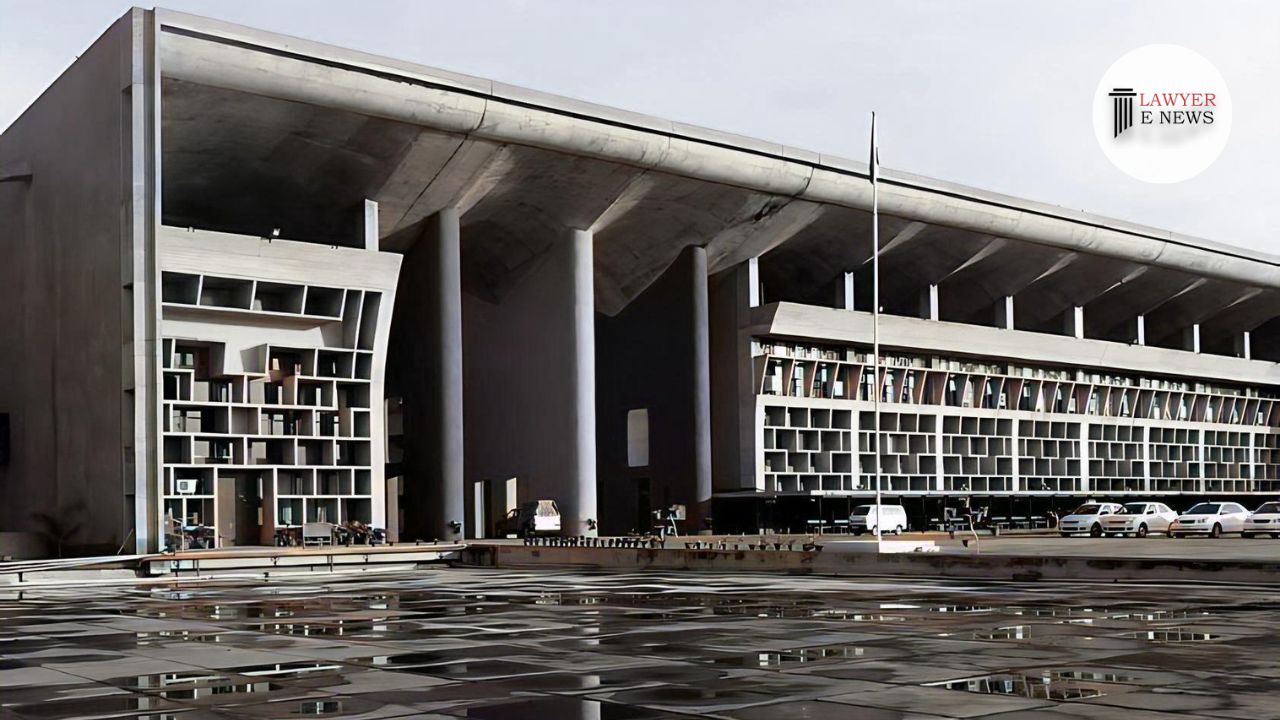
In a significant development, the High Court of Punjab and Haryana in Chandigarh has granted bail to a 19-year-old boy who had been incarcerated for over a year in connection with an assault and robbery case in Yamunanagar. The court, presided over by Hon’ble Mr. Justice Anoop Chitkara, rendered the decision on 7th July 2023.
The petitioner, identified as Vikesh Saini, had sought bail under Section 439 of the Code of Criminal Procedure (CrPC). The case against him was registered under various sections of the Indian Penal Code (IPC) and the Arms Act, including charges of assault, robbery, and possession of weapons.
Citing the nature of the allegations, injuries inflicted, the petitioner’s young age, and his clean criminal record, the court found no justifiability for his continued pre-trial incarceration. In the judgment, Justice Anoop Chitkara highlighted the need to provide an opportunity for the accused to course correct as a first-time offender.
The court, while granting bail, imposed several stringent conditions aimed at ensuring the safety of witnesses and preventing any potential interference with the investigation. Justice Chitkara stated, “The conditions mentioned above imposed by this court are to endeavor that the accused does not repeat the offense and to ensure the safety of the witnesses, victim, and their families.”
To address concerns of flight risk and influence on witnesses, the court ruled that the accused should furnish a personal bond and surety, surrender any weapons and firearms in his possession, and refrain from contacting the victim or their family. Additionally, the petitioner was directed to procure a smartphone with specified details and comply with location sharing.
Justice Chitkara stressed the importance of striking a balance between the accused’s liberty and the need for a fair trial, stating, “The bail conditions should not deprive rights and liberties and must be proportional to the purpose of imposing them.”
The judgment drew attention to the rapid advancements in technology, emphasizing that impersonation has become virtually impossible and advocating for alternative options to reduce the reliance on sureties and accommodate individuals without permanent addresses.
The court order also cited relevant Supreme Court judgments, including Gurbaksh Singh Sibbia v State of Punjab and Mohammed Zubair v. State of NCT of Delhi, highlighting the discretion of judges in granting bail and the need for judicious exercise of such discretion.
The decision of the High Court has brought relief to Vikesh Saini and his family, who had contended that further pre-trial incarceration would cause irreparable injustice. While the court order does not limit the police or investigating agency from continuing their investigation, it signifies a significant step toward the petitioner’s freedom pending the completion of the trial.
Date of Decision: 07.07.2023
Vikesh Saini vs State of Haryana