Delay in Test Identification & Absence of Motive Fatal to Prosecution: Allahabad High Court Acquits Man for Murder Tokre Koli or Dhor Koli – Both Stand on Same Legal Footing: Bombay High Court Slams Scrutiny Committee for Disregarding Pre-Constitutional Records Consent Is No Defence When Victim Is Under 16: Delhi High Court Upholds Rape Conviction Granting Pre-Arrest Bail in Minor Rape Cases Would Send a Harmful Societal Signal: Delhi High Court Refuses Anticipatory Bail to Accused Citing POCSO’s Rigorous Standards Void Marriage No Shield Against Cruelty Charges: Karnataka High Court Affirms Section 498A Applies Even In Deceptive and Void Marital Relationships Consolidation Authorities Cannot Confer Ownership Or Alter Scheme Post Confirmation Without Due Process: Punjab & Haryana High Court Reaffirms Civil Court’s Jurisdiction Over Void Post-Scheme Orders Litigation Policy is Not Law, Can’t Enforce Guidelines Through Courts: Rajasthan High Court Refuses to Entertain Quo Warranto Against Additional Advocate General’s Appointment Police and Lawyers Are Two Limbs of Justice System: Rajasthan High Court Takes Suo Motu Cognizance in Police Misconduct Incident Sole Testimony, Forensic Gaps, and Withheld Witness: No Conviction Possible: Delhi High Court Affirms Acquittal in Murder Trial Remand Keeps the Dispute Alive – Not Arrears: Bombay High Court Holds SVLDRS Relief Must Be Computed Under Litigation Category Use of ‘Absconding’ in Employment Context Not Defamatory Per Se, But A Privileged Communication Under Exception 7 of Section 499 IPC: Allahabad High Court Daughter’s Right Extinguished When Partition Effected Prior to 2005 Amendment: Madras High Court Trial Courts Cannot Direct Filing of Challan After Conviction — Punjab & Haryana High Court Quashes Directions Against DSP Veer Singh Rule 4 Creates Parity, Not a Parallel Pension Pipeline: Rajasthan High Court Denies Dual Pension to Ex-Chief Justice Serving as SHRC Chairperson Right to Be Heard Must Be Preserved Where Claim Has a Legal Basis: Orissa High Court Upholds Impleadment of Will Beneficiary in Partition Suit Long-Term Ad Hocism Is Exploitation, Not Employment: Orissa High Court Orders Regularization Of Junior Typist After 25 Years Of Service PIL Cannot Be a Tool for Personal Grievances: Supreme Court Upholds Municipal Body’s Power to Revise Property Tax After 16 Years Omission of Accused’s Name by Eyewitness in FIR is a Fatal Lacuna: Supreme Court Acquits Man Convicted of Murder Correction In Revenue Map Under Section 30 Isn’t A Tool To Shift Plot Location After 17 Years: Supreme Court Quashes High Court’s Remand Casteist Abuses Must Be In Public View: Supreme Court Quashes SC/ST Act Proceedings Where Alleged Insults Occurred Inside Complainant’s House Resignation Bars Pension, But Not Gratuity: Supreme Court Draws Sharp Line Between Voluntary Retirement and Resignation in DTC Employee Case Patta Without SDM’s Prior Approval Is Void Ab Initio And Cannot Be Cancelled – It Never Legally Existed: Allahabad High Court Natural Guardian Means Legal Guardian: Custody Cannot Be Denied to Father Without Strong Reason: Orissa High Court Slams Family Court for Technical Rejection Affidavit Is Not a Caste Certificate: Madhya Pradesh High Court Sets Aside Zila Panchayat Member's Election for Failing Eligibility Under OBC Quota Confession Recorded By DCP Is Legally Valid Under KCOCA – Bengaluru DCP Holds Rank Equivalent To SP: Karnataka High Court Difference of Opinion Cannot End in Death: Jharkhand High Court Commutes Death Sentence in Maoist Ambush Killing SP Pakur and Five Policemen Mere Presence Of Beneficiary During Execution Does Not Cast Suspicion On Will: Delhi High Court Litigants Have No Right to Choose the Bench: Bombay High Court Rules Rule 3A Is Mandatory, Sends Writ to Kolhapur Testimony Must Be of Sterling Quality: Himachal Pradesh High Court Acquits Grandfather in Rape Case, Citing Unnatural Conduct and Infirm Evidence Cheating and Forgery Taint Even Legal Funds: No Safe Haven in Law for Laundered Money: Bombay High Court Final Maintenance Is Not Bound by Interim Orders – Section 125 Determination Must Be Based on Real Evidence: Delhi High Court

High Court Grants Bail in POCSO Case, Citing Failure to Produce Victim for Recording Statement

07 May 2024 8:19 AM

By: Admin


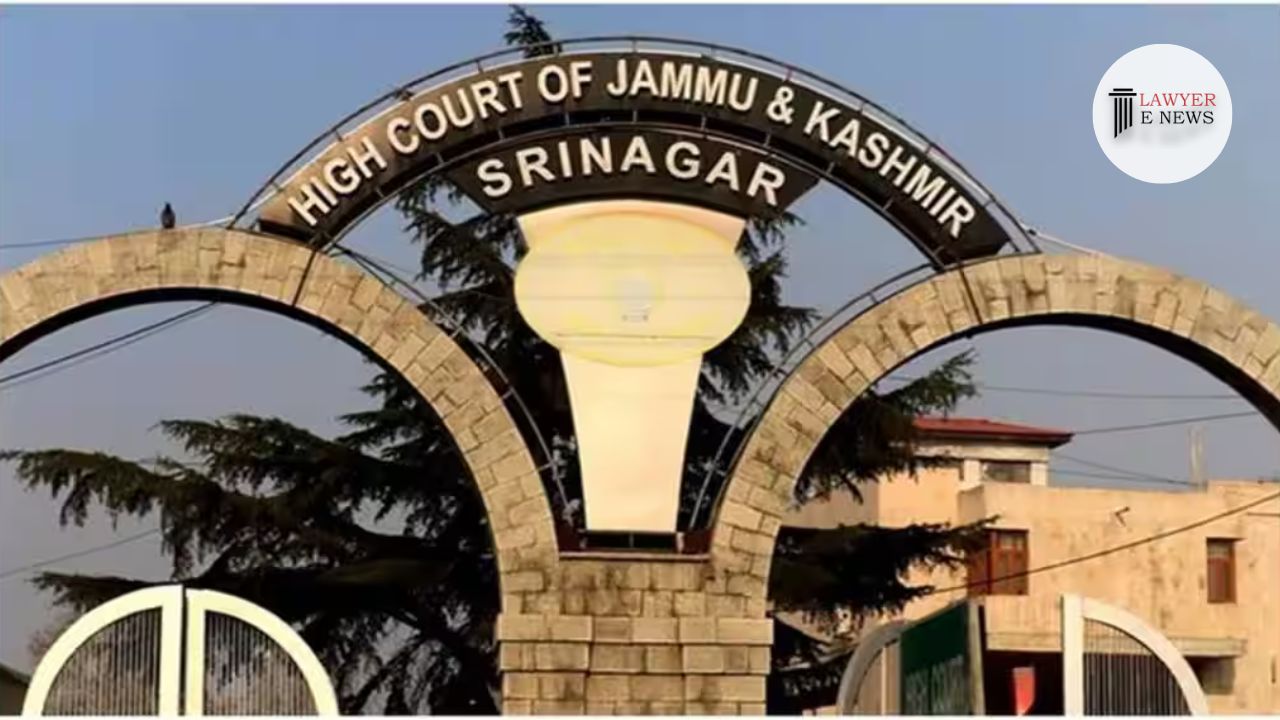
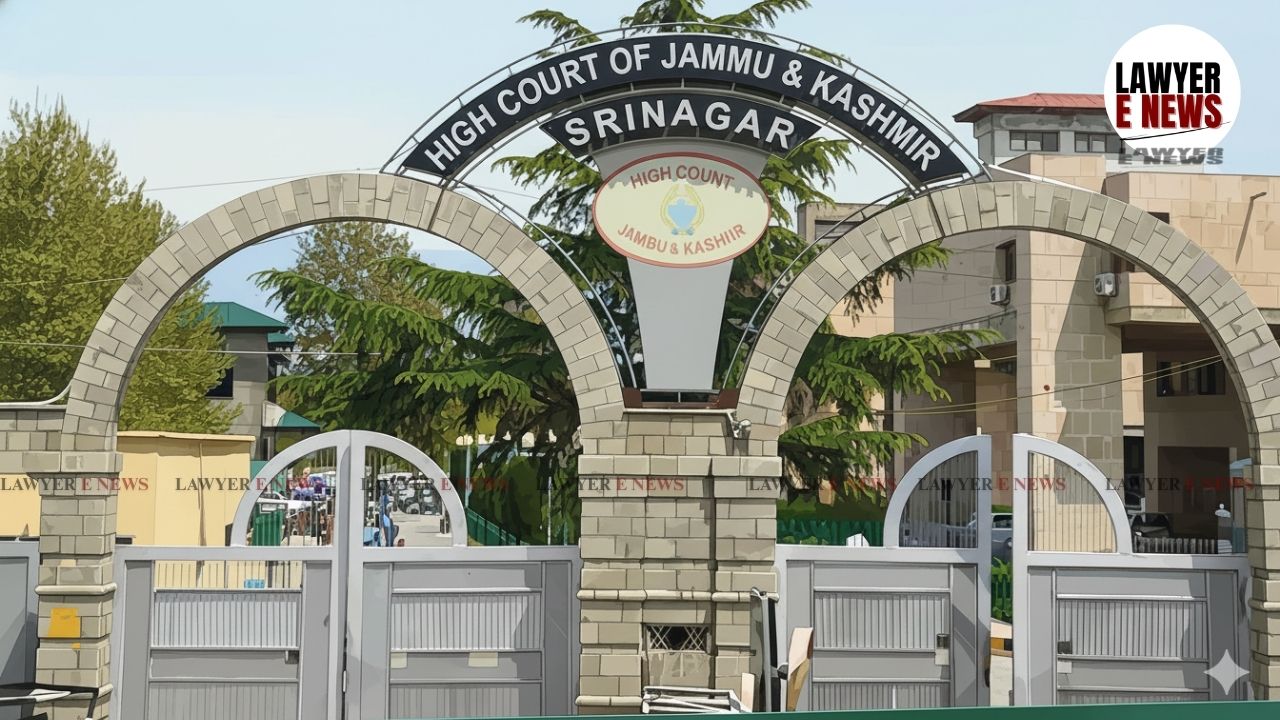
In a significant development, the High Court of Jammu & Kashmir and Ladakh granted bail to an accused in a case arising out of the Protection of Children from Sexual Offences Act, 2012 (POCSO Act). The judgment, delivered by Hon'ble Justice Sanjay Dhar, highlighted the failure of the prosecution to produce the victim before the trial court for recording her statement.

The case involved charges under sections 363 and 109 of the Indian Penal Code (IPC) and Section 8 of the POCSO Act. The accused, Ravi Kumar, had been in custody since April 2020, and the trial had been pending for a significant duration. The court noted that despite its earlier directions to ensure the presence of the victim, the prosecution had failed to produce her before the trial court.

Justice Sanjay Dhar referred to Section 436-A of the Code of Criminal Procedure, which sets the maximum period for which an undertrial prisoner can be detained. The provision states that an undertrial prisoner cannot be held for a period exceeding one-half of the maximum punishment specified for the offense. Considering that the accused had already spent more than three years in custody, exceeding the prescribed limit, the court held that his statutory right to bail could not be denied.

The court emphasized that the victim's non-appearance should not be a reason to defeat the petitioner's right to bail. It observed that the trial delay was not due to the conduct of the accused, but rather the victim's avoidance of testifying. Taking into account the circumstances, the court ruled that the petitioner was entitled to bail.

The judgment imposed certain conditions on the grant of bail, including the furnishing of a personal bond, appearance before the trial court on every hearing, restrictions on leaving the territorial limits without prior permission, non-intimidation of witnesses, and refraining from engaging in similar activities.

This judgment underscores the significance of timely production of witnesses and victims in criminal trials. It serves as a reminder that the right to bail cannot be indefinitely deferred due to the non-appearance of a witness, especially when the accused has already spent a substantial period in custody.

The judgment is expected to have implications on future bail applications in similar cases and may prompt a renewed focus on expediting trials and ensuring the presence of witnesses to uphold the principles of justice and fairness in the legal system.

Date: May 12, 2023

Ravi Kumar vs Union Territory of J&K   

Latest Legal News