-
by sayum
24 August 2026 3:22 PM







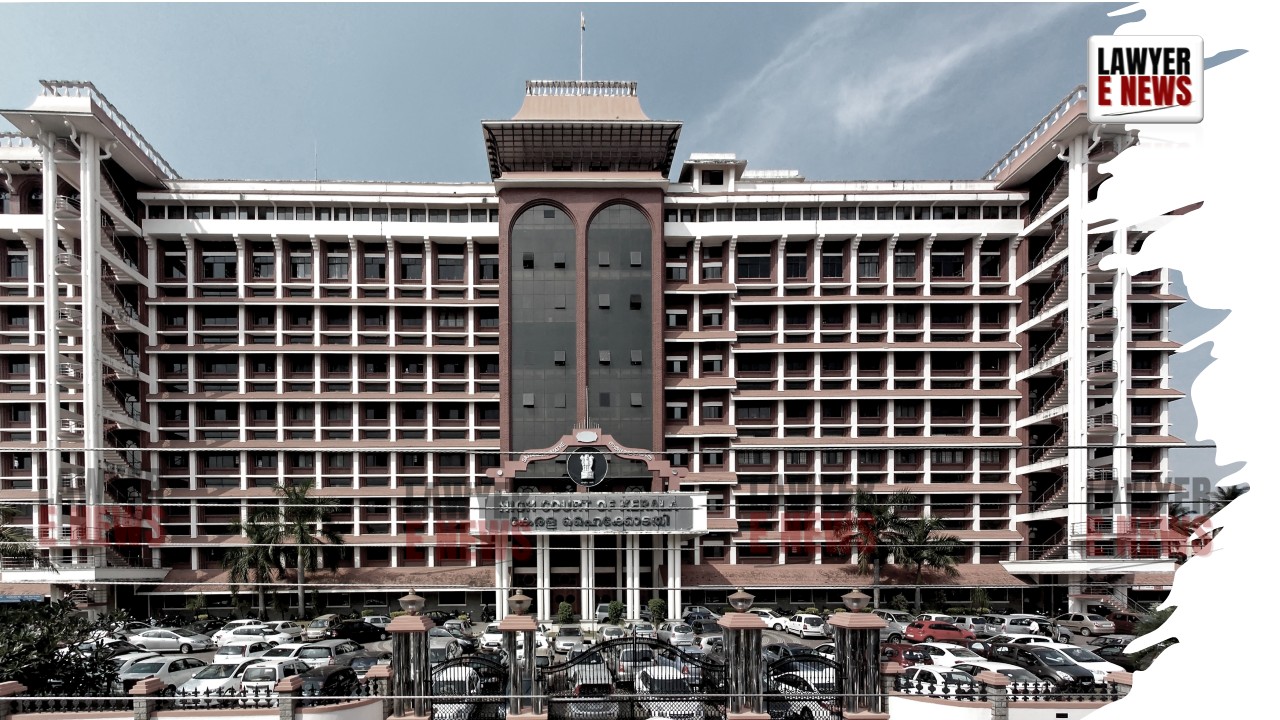
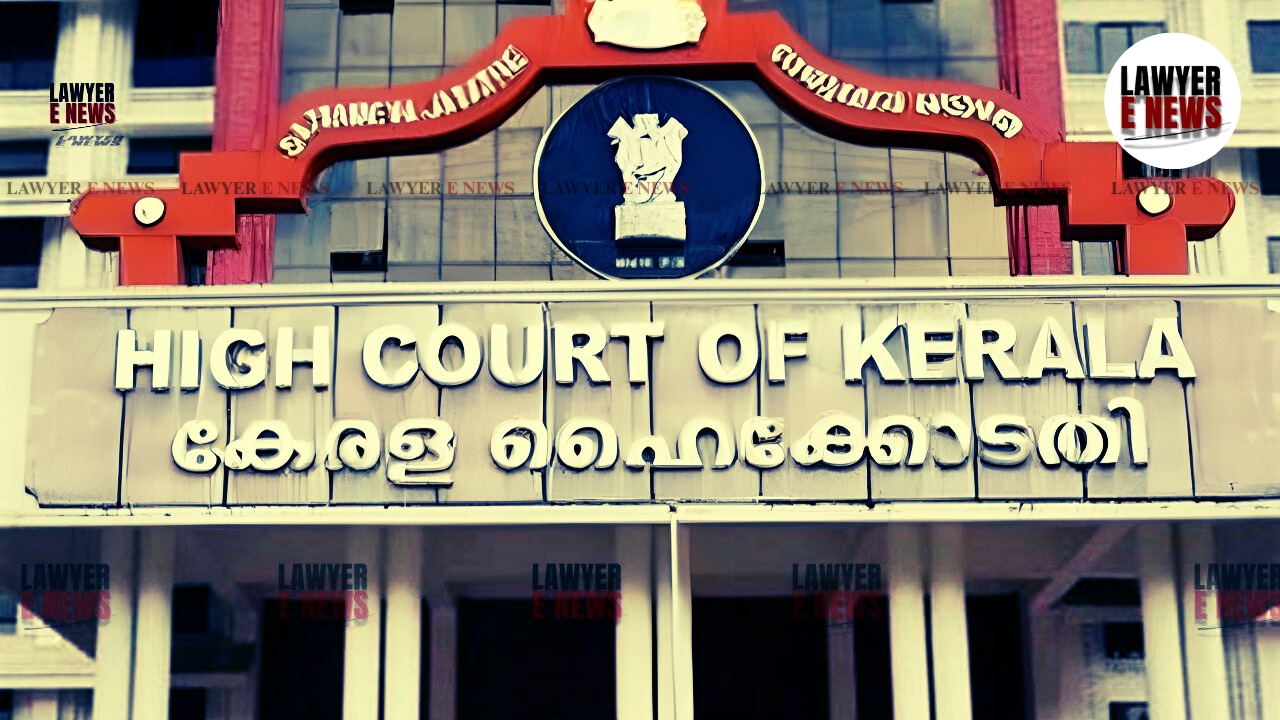
“Twin Conditions of Contiguity and Natural Vegetation Are Mandatory Under Section 2(b)(i); Mere Proximity to Forest Cannot Vest Private Land” – Kerala High Court firmly rejected the State’s claim that a private 3.65-acre property qualified as “ecologically fragile land” under the Kerala Forest (Vesting and Management of Ecologically Fragile Lands) Act, 2003. The Division Bench of Justice Sathish Ninan and Justice P. Krishna Kumar upheld the findings of the Forest Tribunal, Palakkad, and declared that the land in question could not be vested with the State, having failed to satisfy the mandatory legal criteria under Section 2(b)(i) of the 2003 Act.
The core legal question before the Court was whether the land, which had been under uninterrupted private ownership and possession since 1954, qualified as “ecologically fragile land” as defined in the Act. The Court concluded that it did not, and dismissed the appeal filed by the Custodian of Ecologically Fragile Lands, State of Kerala, as devoid of merit.
The respondent, H. Byju, had approached the Forest Tribunal after his land was notified under the Act. He contended that the property was not principally covered with natural vegetation and was not contiguous with any reserved or vested forest, and thus did not qualify as “ecologically fragile” under Section 2(b)(i).
The Tribunal had accepted this contention, relying extensively on the report of an Advocate Commissioner, which recorded the existence of several fruit-bearing trees such as mango, cashew, coconut, and guava, along with 14 residential structures on the property. The Commissioner categorically noted the absence of natural forest growth. The State’s objection to the report was brushed aside by the Tribunal, noting that it had neither effectively challenged the findings nor examined the Commissioner.
The High Court, agreeing with the Tribunal, observed, “The Commissioner did not find any natural vegetation in the land… Though the appellant filed a written objection against the commission report, there is no specific contention that, as on the date of commencement of the Act, the land was principally covered with naturally grown trees.”
Referring to the definition of “forest” under Section 2(c) of the Act, the Court emphasized, “Forest means land principally covered with naturally grown trees. This definition excludes cultivated trees and planted vegetation.” The Bench held that both conditions under Section 2(b)(i) — contiguity with forest land and predominance of natural vegetation — are essential and cumulative. Failure to establish either, the Court held, is “fatal to the State’s claim.”
Equally significant was the Court’s recognition of the property’s long-standing private ownership. The land had earlier been exempted from vesting under the Kerala Private Forests (Vesting and Assignment) Act, 1971, in proceedings initiated in 1974, where an order in favour of the then-owner had attained finality. The Court found that this was not a mere historical footnote but a vital legal circumstance.
“The property has been under the occupation of private individuals since at least 1954, and it had earlier been exempted from vesting. That finding has become final and must weigh heavily against any fresh attempt at treating the land as forest,” the Court noted. It found that the State had failed to produce any evidence of natural vegetation on the land as on the crucial cut-off date — 2nd June 2000 — when the 2003 Act came into force.
The Court strongly rejected the State's approach of applying the label of “ecologically fragile” to lands without satisfying statutory prerequisites. “No illegality or impropriety is discernible in the impugned order warranting interference in appeal. Accordingly, the appeal fails and is dismissed,” the Bench concluded.
The judgment stands as a firm affirmation that property rights, even in environmentally sensitive zones, cannot be overridden without strict adherence to statutory requirements. It reiterates that ecological protection must be grounded in lawful procedure, not administrative presumption. The presence of cultivated fruit trees and buildings, even if near a forest, cannot suffice to vest private land as ecologically fragile under the Act.
The ruling brings clarity to the interpretation of Section 2(b)(i) and will likely influence similar disputes across Kerala where private landowners have challenged forest notifications made without concrete evidence of natural vegetation.
The High Court’s verdict thus restores legal certainty to private title, reinforcing the principle that “trees do not make a forest, unless they grow wild and naturally, and unless the law is complied with.”
Date of Decision: 21st January 2026