-
by sayum
24 August 2026 3:22 PM







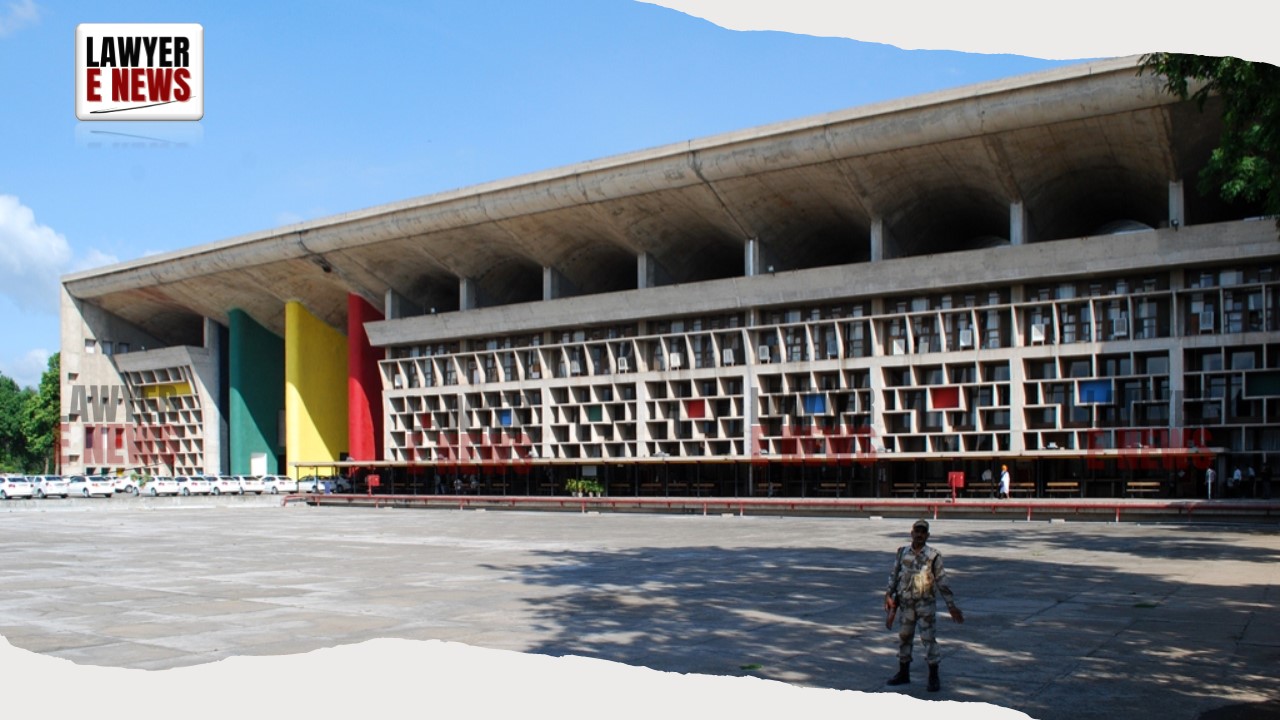
“Passing another ex parte injunction would amount to nullifying the effect of Rule 3 of Order 39 CPC” – Punjab and Haryana High Court dismissed a civil revision petition under Article 227 of the Constitution of India, upholding the trial court's refusal to grant an ex parte interim injunction for restoration of electricity supply to a tenanted cold storage shop. Justice Virinder Aggarwal ruled that the trial court acted in conformity with law, particularly due to the petitioners' previous non-compliance with mandatory procedural requirements under Order 39 Rule 3 of the Code of Civil Procedure, 1908 (CPC).
The Court observed that while the restoration of electricity was undoubtedly essential for the petitioners' business, "passing another ex parte injunction in favour of the petitioners would amount to nullifying the effect of Rule 3 of Order 39 CPC," and thus, such relief could not be granted in disregard of procedural law.
Tenant Had Already Failed to Comply With Rule 3 CPC: Fresh Relief Would Defeat Procedural Safeguards
The petitioners, who were tenants of a commercial shop used for cold storage operations, approached the trial court after the electricity connection was disconnected on December 15, 2025. The disconnection, they alleged, was illegal and done despite timely payment of electricity charges, as part of a broader attempt by the respondents (landlords) to forcibly evict them.
Earlier, the trial court had granted an ex parte interim injunction directing restoration of the electricity. However, this relief was vacated on September 19, 2025, after the petitioners failed to comply with Rule 3 of Order 39 CPC, which mandates that the opposing party be served with a copy of the injunction application and supporting documents promptly.
The petitioners then filed a second application seeking similar ex parte relief, which was declined by the trial court on December 19, 2025. Challenging that refusal, they invoked the High Court's supervisory jurisdiction under Article 227.
However, the High Court refused to interfere, stating:
"If now on the subsequent injunction application interim injunction without hearing the other party is passed in favour of petitioners, it would amount to nullifying the effect of Rule 3 of Order 39 of CPC."
The Court emphasized that such procedural lapses could not be cured by successive applications for ex parte relief. It held that the trial court's refusal was reasoned, legally sound, and consistent with natural justice principles.
Article 227 Jurisdiction Is Supervisory, Not Appellate: No Patent Illegality in Trial Court's Order
Justice Aggarwal further reiterated the limited scope of Article 227, observing that the High Court’s role is supervisory and not that of an appellate court.
"Interference under Article 227 is warranted only where the impugned order suffers from patent illegality or perversity," the Court noted, making it clear that it would not interfere with discretionary procedural orders merely because a party was aggrieved.
The court found that no such illegality was present in the order under challenge. It had been passed after taking into account the previous lapse by the petitioners and the procedural integrity required under the CPC.
Business Necessity Recognised – Direction for Expeditious Disposal Balances Competing Rights
While denying immediate relief, the Court did not ignore the petitioners’ claim that electricity was vital for their cold storage business. Their counsel had argued that such disconnection infringed the petitioners’ fundamental right to carry on trade under Article 19(1)(g) of the Constitution.
Balancing this contention with procedural mandates, the Court directed the trial court to adjudicate the pending injunction application on merits within 15 days, observing:
"It is incumbent upon the Trial Court to dispose of injunction application on merits expeditiously … even by preponing the hearing if it is so required."
The High Court thereby ensured that while procedural rules are enforced, genuine hardships affecting livelihoods are addressed in a time-bound manner.
Justice Aggarwal concluded by disposing of the revision petition and all pending miscellaneous applications, noting that no purpose would be served by keeping them pending in light of the main order.
Date of Decision: January 20, 2026