-
by sayum
13 August 2026 1:48 PM








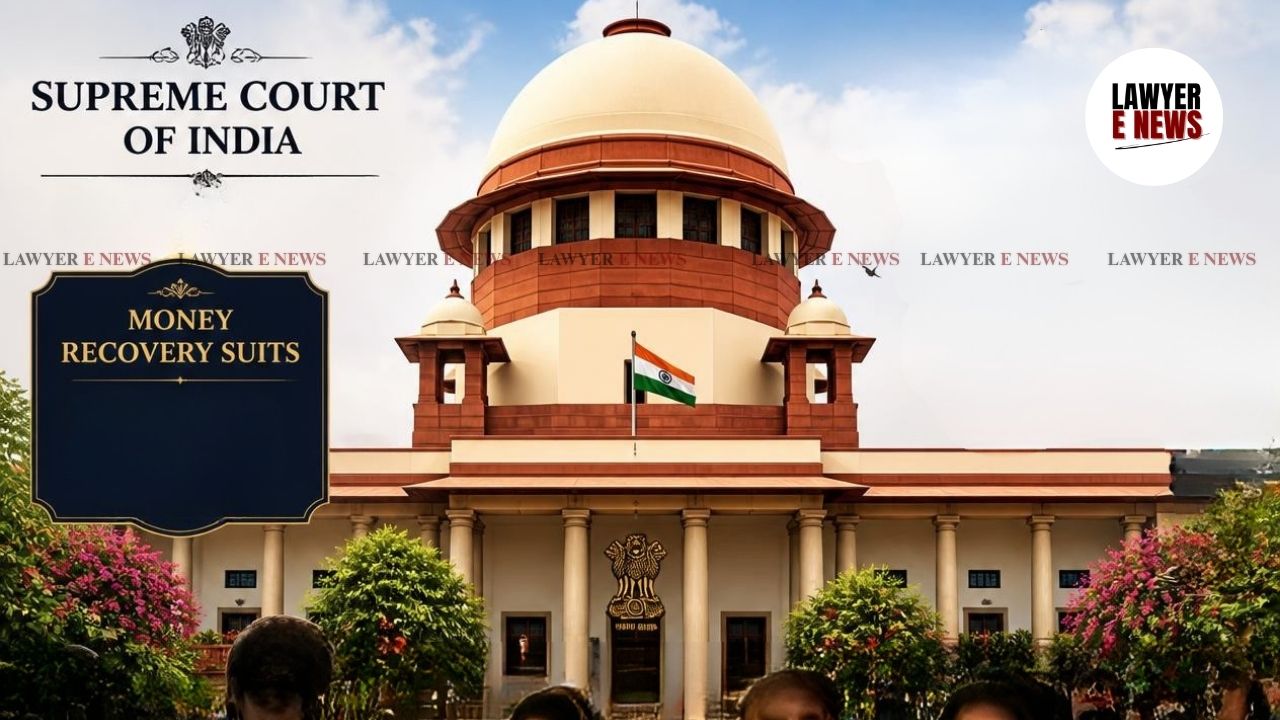
The interpretation of contractual terms by arbitrators, especially those well-versed in the technical nature of the dispute, must be given deference. An error in interpretation, unless perverse, does not warrant judicial intervention - Supreme Court of India delivered a significant judgment reinstating an arbitral award that had been erroneously set aside by the Division Bench of the Delhi High Court.
The dispute, arising out of a road construction project on National Highway-2, revolved around whether increased quantities of geogrid material beyond the estimated Bill of Quantities (BOQ) rates could trigger renegotiation of the agreed rates. The Supreme Court, setting aside the High Court’s judgment, restored the arbitral award and emphasized that judicial interference with arbitral awards is permissible only in cases of perversity or patent illegality.
The appellant, Somdatt Builders-NCC-NEC (JV), was awarded a contract by NHAI for a four-laning and strengthening project on NH-2 under World Bank assistance. The contract, a unit rate agreement, contained detailed BOQ estimates for various materials, including geogrid material for reinforced earth walls (RE walls).
During execution, it was discovered that the BOQ underestimated the required quantity of geogrid, resulting in a 300% increase. NHAI sought to renegotiate the BOQ rates for the additional quantities under Clause 52.2 of the Conditions of Particular Application (COPA), while the contractor argued that the increase was an automatic adjustment due to an erroneous estimate and not a "variation" requiring renegotiation.
The matter was first adjudicated by the Dispute Review Board (DRB), which ruled in favor of the contractor. The dispute then proceeded to arbitration, where the Arbitral Tribunal, by a majority of 2:1, upheld the DRB’s findings. The award stated that the increased quantities were not instructed variations and, hence, must be paid at the original BOQ rates.
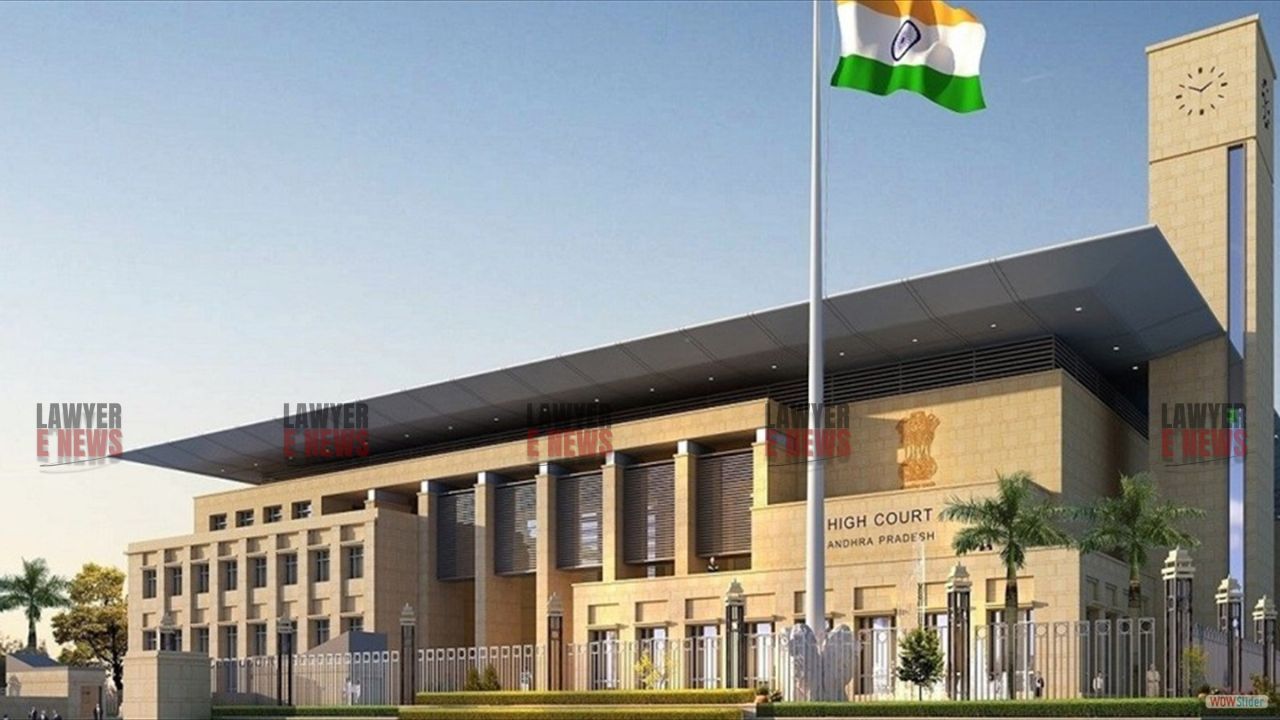
NHAI challenged the arbitral award under Section 34 of the Arbitration and Conciliation Act, 1996, before the Single Judge of the Delhi High Court. The Single Judge dismissed the petition, affirming that the arbitral findings were plausible and well-reasoned.
However, NHAI escalated the matter to a Division Bench under Section 37. The Division Bench overturned the arbitral award, holding that the BOQ rate was unreasonable given the significant increase in quantities. It ruled that the entire increase, instructed or uninstructed, constituted a variation requiring renegotiation under Clauses 51 and 52.
The Division Bench further declared that the arbitral award was against the public policy of India, "shocked the conscience of the court," and constituted patent illegality.
The Supreme Court unequivocally rejected the Division Bench’s findings, restoring the arbitral award and reiterating the limited scope of interference under Sections 34 and 37. Justice Ujjal Bhuyan, writing for the bench, underscored the following principles:
Deference to Arbitrators' Expertise:
The Arbitral Tribunal comprised technical experts who had evaluated the contractual provisions in their proper context. The Court observed:
"The arbitral tribunal is the chosen judge of the parties. Its interpretation of contractual terms, unless perverse, must be upheld."
Scope of Clauses 51 and 52:
The Supreme Court endorsed the arbitral finding that the increased quantities of geogrid were not instructed variations but arose due to erroneous BOQ estimates. It emphasized:
"Clause 52.2 does not apply to automatic increases in quantity due to estimation errors. The Engineer's power to renegotiate rates arises only in cases of instructed variations under Clause 51.1."
Limited Scope of Section 34 and Section 37:
The Court reiterated that interference with arbitral awards is permissible only on limited grounds, such as perversity or patent illegality. It cited prior judgments (MMTC Ltd. vs. Vedanta Ltd. and Ssangyong Engineering vs. NHAI) to emphasize:
"Mere errors in interpretation or disagreement with the arbitral findings are not grounds for judicial interference. The award must shock the conscience of the court to justify interference."
Erroneous Findings by the Division Bench:
The Supreme Court strongly criticized the Division Bench for substituting its interpretation of the contract in place of the arbitrators’ findings. It stated:
"The Division Bench exceeded its jurisdiction by interfering with plausible and well-reasoned findings of the DRB, Arbitral Tribunal, and Single Judge. Its reliance on dictionary meanings of 'variation' disregarded the contractual context."
The Supreme Court rejected the Division Bench’s invocation of public policy to overturn the award. It clarified:
"Public policy cannot be a pretext for the appellate court to reappreciate evidence or rewrite contractual terms. The arbitral award was neither perverse nor violative of fundamental principles of law, justice, or morality."
On the issue of patent illegality, the Court remarked:
"An illegality must go to the root of the matter and not merely involve an erroneous application of law. The Division Bench's intervention was unwarranted in the absence of any such illegality."
The Supreme Court allowed the appeal, set aside the Division Bench’s judgment, and restored the arbitral award. It directed NHAI to pay the contractor at the BOQ rates for the additional quantities of geogrid material.
The judgment is a strong reaffirmation of the principles underlying the Arbitration and Conciliation Act, 1996, particularly the need to uphold arbitral autonomy and minimize judicial intervention. It underscores that courts must respect the expertise of arbitrators, especially in technical disputes, and exercise restraint while reviewing arbitral awards.
The Supreme Court’s ruling in Somdatt Builders-NCC-NEC (JV) vs. NHAI sets a vital precedent for maintaining the sanctity of the arbitral process. By reinstating the award, the Court not only delivered justice to the contractor but also reinforced the principle that arbitral awards should not be lightly interfered with by courts.
Date of Decision: January 27, 2025