
-
by sayum
28 August 2026 2:11 PM







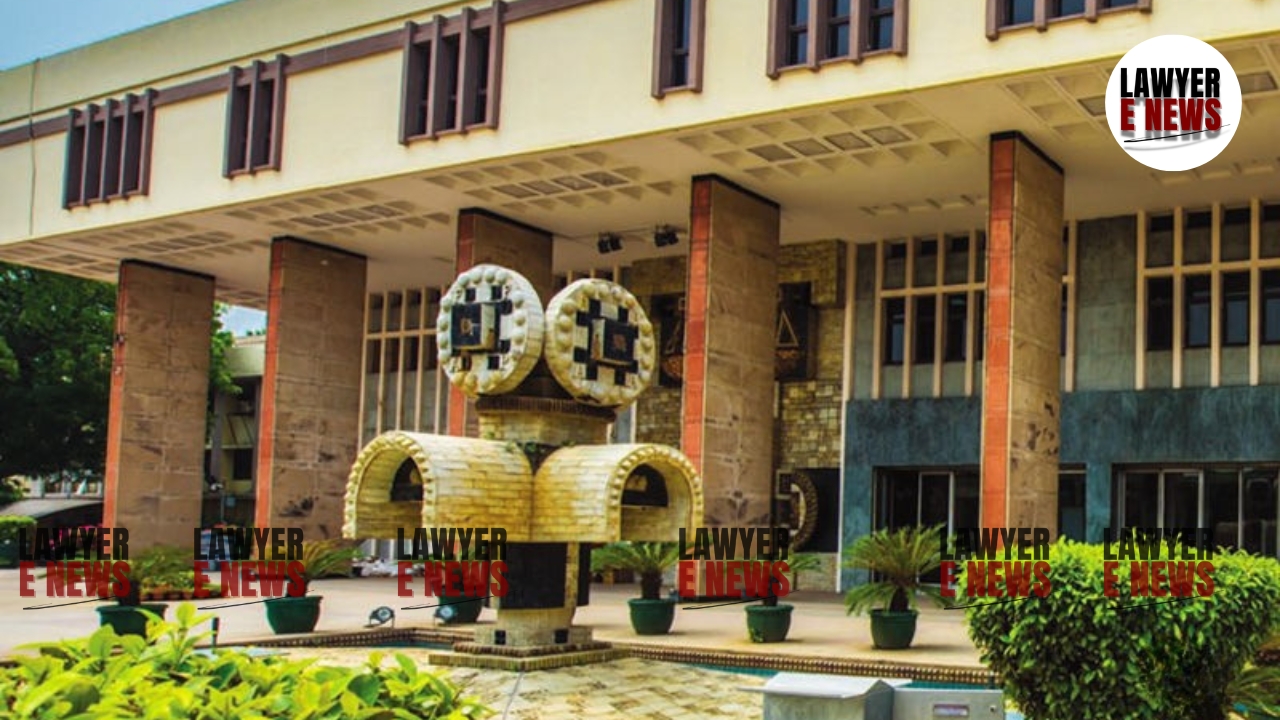
Mere Invocation of Force Majeure Does Not Justify Rent Waiver; Clause Allows Only Deferment, Not Exemption: Delhi High Court examining the invocation of force majeure clauses during the COVID-19 pandemic and the enforceability of contractual penalty clauses.
The Court upheld the application of force majeure for the initial lockdown period but refused to extend its protection indefinitely. It clarified that lessees cannot seek rent waiver based solely on hardship without establishing that the contractual performance became impossible or illegal. Further, the Court held that damages or penal rent clauses cannot be enforced in the absence of proven loss, despite specific contractual stipulations.
Court Recognizes COVID-19 as Force Majeure but Limits Its Scope to Period of Actual Government-Imposed Closure
The Court observed that the COVID-19 pandemic did qualify as a force majeure event under the lease deed, which listed "Act of God, flood, earthquake, tempest, war, riots, embargoes etc." as triggering events.
“The COVID-19 pandemic, to the extent that it resulted in the closure of the demised premises, would constitute a force majeure event in terms of Clause 12 of the Lease Deed, as the same would be covered under the expression ‘Act of God’ as well as ‘Embargo’,” the Court declared.
However, the High Court rejected the tenant’s contention that force majeure entitled it to rent waiver for an indefinite period, emphasizing that Clause 12 only permitted deferment of performance, not its extinguishment.
“There Cannot Be a Waiver Where the Contract Only Allows Postponement”: Rent Partially Granted to Landlord
While Miniso argued that the pandemic obliterated its ability to perform, the Court was not persuaded. Referring to the express language of the lease, it held:
“Clause 12 describes that the date for making the payment ‘shall be postponed’. It does not mean that the obligation to pay rent is waived.”
The Court thus awarded 50% rent for the months of April and May 2020, reasoning that both parties incurred loss due to the pandemic. The lease rent was fully restored from June 2020 onwards since operations resumed.
“The lessee suffered a loss due to shutdown of his shop... the lessor would also have continued to incur financial obligations such as maintenance, tax, and insurance... both shall equally absorb the impact,” the Court ruled.
Landlord’s Claim for Double Rent and Penal Damages Dismissed: “Proof of Loss is a Sine Qua Non”
The appellant-landlord had claimed double rent for continued possession post-termination and six months’ additional rent under Clauses 7.2 and 14.2 of the lease. These claims were denied.
The Court clarified: “It is not the case of the plaintiff that it has suffered any loss or that the market rent has gone up in this period so as to justify payment of double rent... even if the defendants are guilty of breach of contract, the amounts under Clauses 7.2 and 14.2 can only be claimed if the plaintiff has suffered any loss.”
The Court relied on the Supreme Court’s Constitution Bench ruling in Fateh Chand v. Bal Kishan Das, and reiterated the principle in Kailash Nath Associates v. DDA that liquidated damages must be reasonable and not automatic.
“The Court will only award to the aggrieved party reasonable compensation not exceeding the compensation so named,” it emphasized.
“Amendment to Specific Relief Act Is Prospective and Does Not Apply to Pre-2018 Contracts”
Mehra Jewel Palace had further contended that post-2018 amendment to Section 10 of the Specific Relief Act made it mandatory for the Court to enforce contract terms, eliminating discretion. However, the Court rejected this argument.
“The lease deed was executed on 04.01.2018, much before the amendment... therefore, the amended Section 10 has no application,” the Court ruled, citing the Supreme Court’s decision in Katta Sujatha Reddy v. Siddamsetty Infra Projects Ltd..
This reaffirmed that courts retain discretion in granting specific performance and damages in contracts executed prior to 01.10.2018, regardless of contractual stipulations.
Verdict in Brief: No to Penalty, Yes to Partial Rent
Summing up, the Delhi High Court allowed the tenant to invoke the force majeure clause only for the lockdown period, directed payment of partial rent during that period, and awarded no penal damages due to lack of proof of actual loss.
“In view of the aforesaid position of law, the plaintiff would not be entitled to claim double the amount of monthly rent in terms of Clause 7.2 or additional six months’ rent in terms of Clause 14.2,” the Bench held.
The ruling is a critical precedent for commercial tenancy disputes arising from pandemic-era disruptions. It lays down that while contracts must be respected, unforeseen events like pandemics do not automatically dissolve obligations, nor do they justify arbitrary penal enforcement by landlords.
Date of Decision: 22.09.2025





