-
by sayum
24 August 2026 11:13 AM







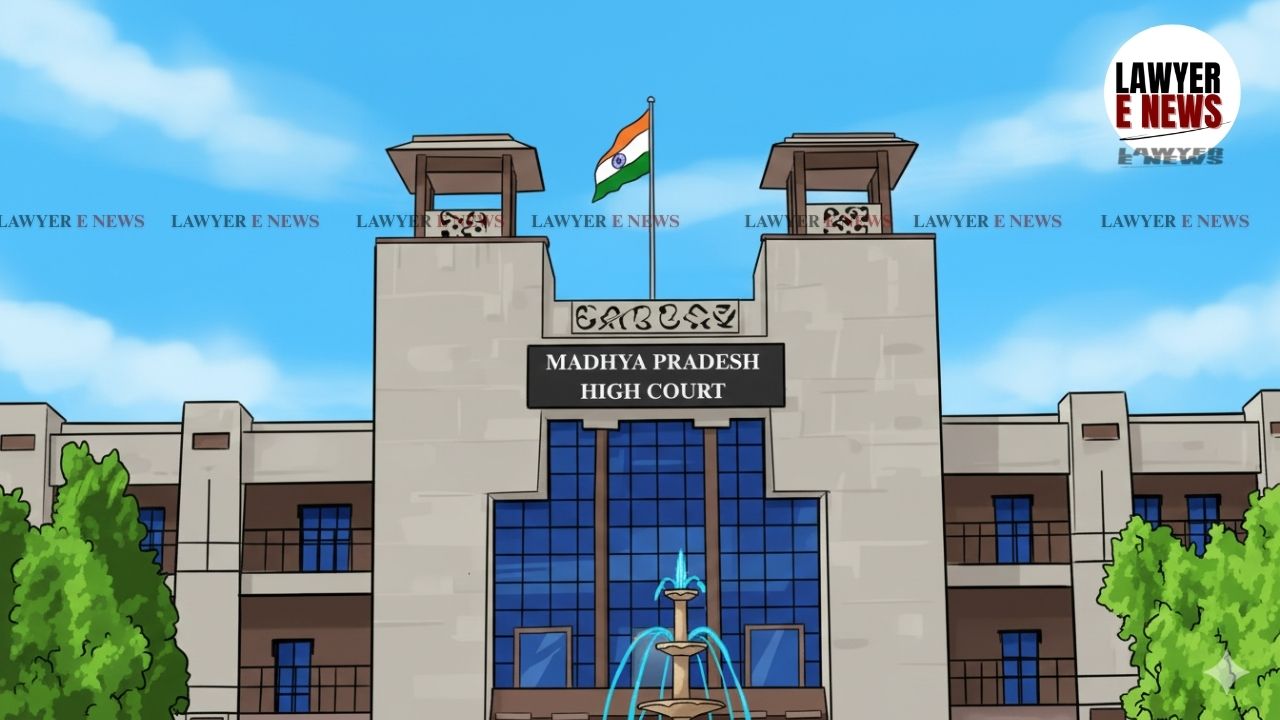
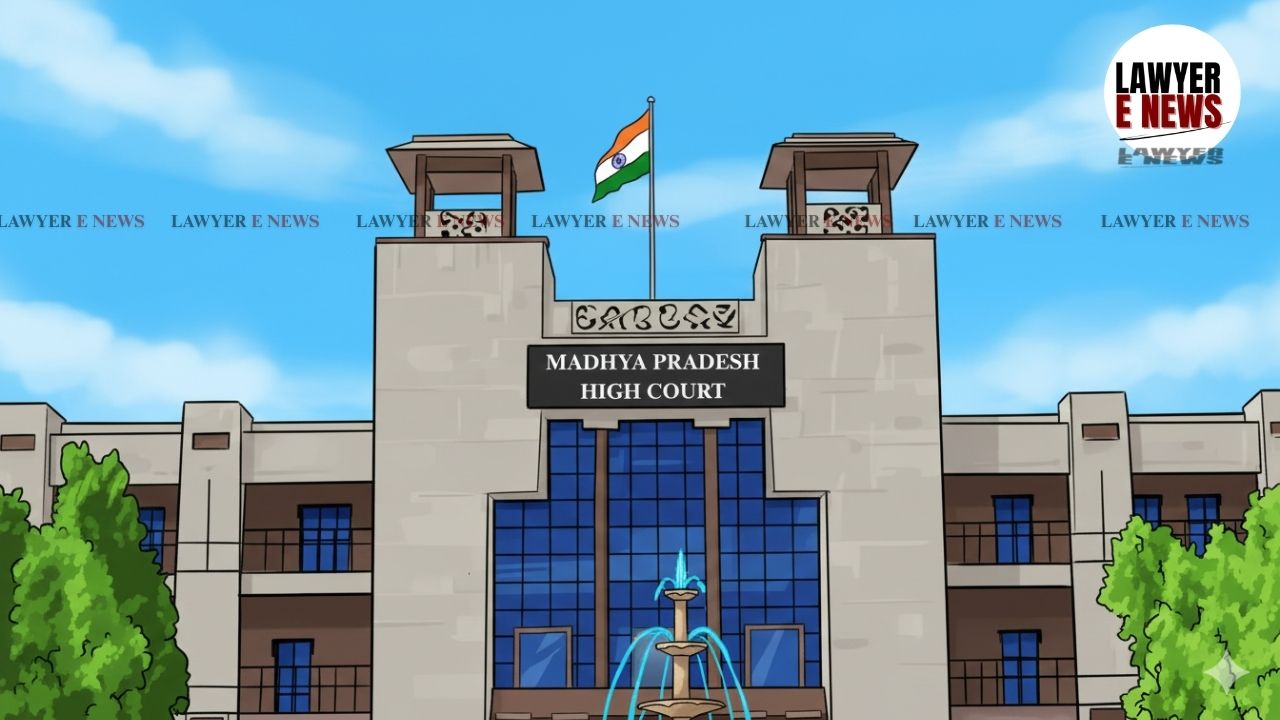
"Mentioning of a wrong provision or non-mentioning of a provision does not invalidate an order if the court and/or statutory authority had the requisite jurisdiction therefor." Madhya Pradesh High Court, in a significant ruling, held that a major unmarried daughter is entitled to maintenance from her father and a Family Court can grant such relief even if the application was filed under Section 125 CrPC instead of the Hindu Adoptions and Maintenance Act (HAM Act).
A Single Bench of Justice Dwarka Dhish Bansal observed that the mere mentioning of a wrong provision in an application does not come in the way of justice if the court otherwise possesses the jurisdiction to grant relief.
The petitioner, a father, challenged an interim order passed by the Family Court, Satna, which awarded ₹2,000 monthly maintenance to his major unmarried daughter. The father contended that since the daughter was a major, an application under Section 125 CrPC was not maintainable. He further alleged that the daughter had assaulted him and filed false complaints, thereby forfeiting her right to maintenance.
The primary question before the court was whether a major unmarried daughter could be granted maintenance by a Family Court when the application was moved under Section 125 CrPC. The court was also called upon to determine if a major daughter must suffer from a disability to claim maintenance under Section 20(3) of the HAM Act.
Family Court’s Overlapping Jurisdiction Under CrPC And HAM Act
The court noted that while Section 125 CrPC generally restricts maintenance to minor children, the Family Court possesses dual jurisdiction to adjudicate claims under both Chapter IX of the CrPC and Section 20 of the HAM Act. Relying on the Supreme Court’s decision in Abhilasha vs. Parkash, the court observed that a Family Court can exercise jurisdiction under both Acts to avoid multiplicity of proceedings.
Court Explains Jurisdiction To Grant Relief Despite Procedural Errors
The bench emphasized that the respondent had filed a joint application with her mother, and although she was a major, the Family Court had the inherent authority to decide the matter. The court noted that the Family Court is empowered to decide applications filed under Section 125 CrPC as well as suits under Section 20(3) of the HAM Act, making the technical distinction regarding the provision cited secondary to the pursuit of justice.
Mentioning Wrong Legal Provision Does Not Invalidate Claim
The Court highlighted that it is a well-settled principle that citing an incorrect provision of law does not deprive a litigant of relief if the power to grant such relief exists elsewhere in the statutes. Justice Bansal cited the Supreme Court rulings in N. Mani v. Sangeetha Theatre and P.K. Palanisamy v. N. Arumugham to reinforce that a court cannot refuse to grant relief which is otherwise due based on existing facts and circumstances.
"Quoting the wrong provision of law, when the power to do an act otherwise exists, would not invalidate or render illegal the act in question."
Disability Not A Prerequisite For Major Daughter Under HAM Act
Addressing the petitioner’s argument that a major daughter must suffer from a disability to claim maintenance, the High Court clarified the scope of Section 20(3) of the HAM Act. The bench observed that the provision requires the daughter to show she is unable to maintain herself out of her own earnings or property. It explicitly stated that it is not necessary for her to suffer from any physical or mental disability to be eligible for support.
"The major unmarried daughter has to show that she is not in a position to maintain herself out of her own earnings or other property and it is not necessary that she should also suffer with some disability."
Directive To Clear Arrears And Strike Out Defence
The court took serious note of the fact that the petitioner had not cleared the dues of the interim maintenance. It directed the Family Court to take strict action for recovery and observed that the trial court may strike out the petitioner’s defence if the payments are not deposited. This observation serves to ensure that the interim relief granted to the daughter is not rendered illusory by the father's non-compliance.
Procedural Correction Encouraged To Remove Technical Objections
With a view to streamlining the proceedings, the High Court suggested that the respondents may pray for the correction or conversion of their pending application into a joint application under both Section 125 CrPC and Section 20(3) of the HAM Act. This, the court noted, would effectively remove any technical objections raised by the petitioner regarding the maintainability of the original filing.
Dismissing the criminal revision, the High Court found no illegality in the Family Court's order. It reaffirmed that the substantive right of an unmarried daughter to seek maintenance from her father outweighs procedural technicalities. The ruling ensures that major daughters who are unable to sustain themselves can access the judicial machinery for support through the consolidated jurisdiction of the Family Courts.
Date of Decision: 10 July 2026