-
by sayum
24 August 2026 11:13 AM







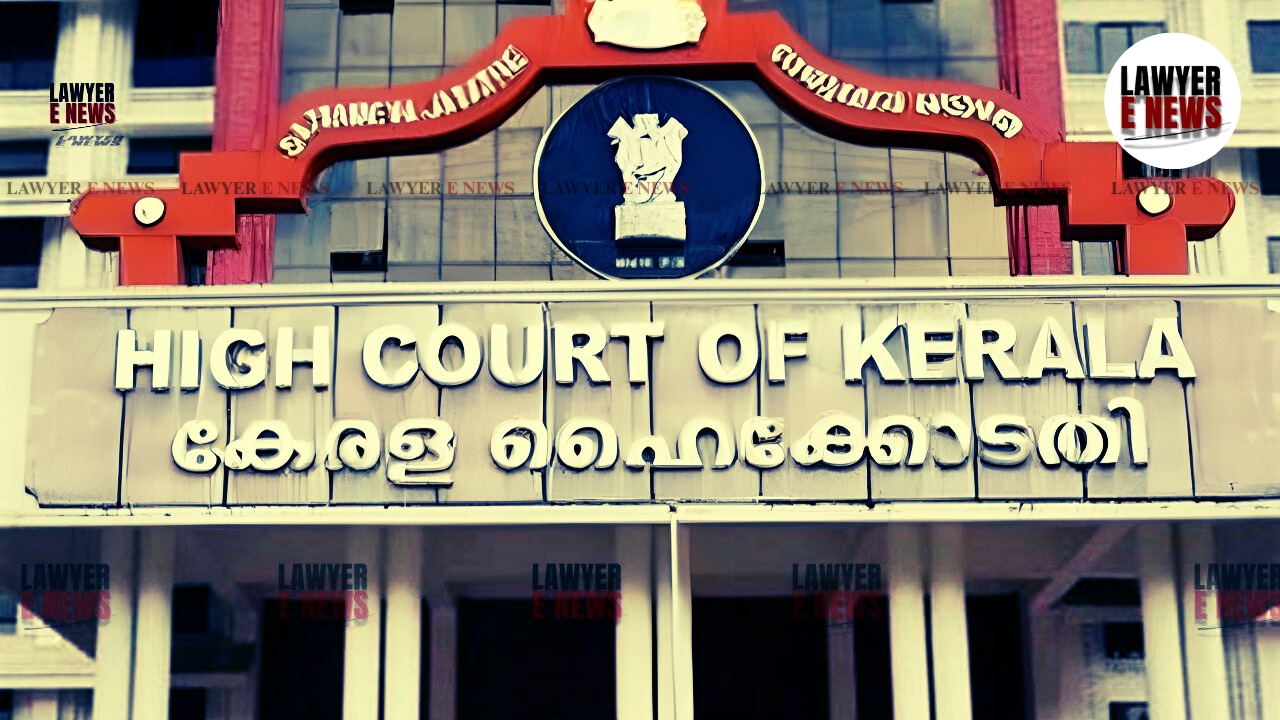
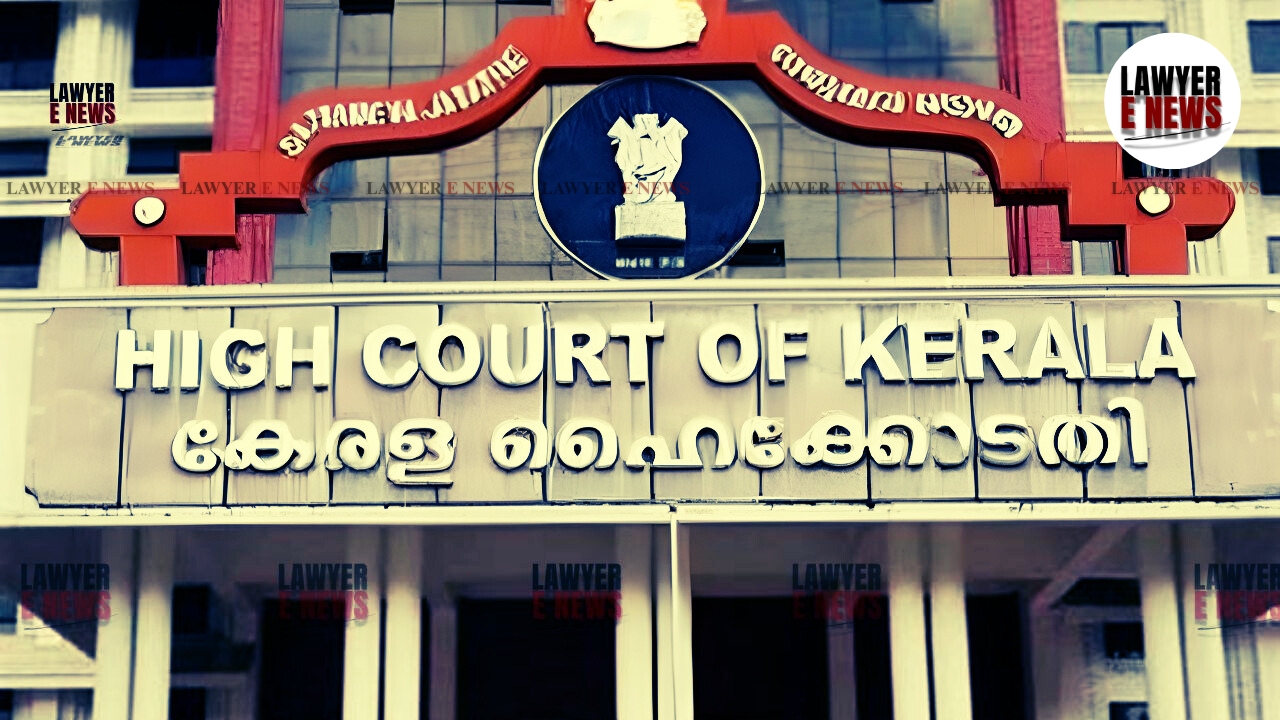
"Where a person alleges failure on the part of the Police to register a crime or conduct an investigation, the aggrieved person has to avail the remedies provided under the ordinary criminal law, and the extraordinary jurisdiction of this Court under Article 226 of the Constitution is not ordinarily invoked for such purposes." Kerala High Court, in a significant ruling delivered on August 21, 2026, held that extraordinary writ jurisdiction under Article 226 of the Constitution of India cannot be invoked to compel the police to register an FIR or to resolve landlord-tenant disputes regarding essential amenities.
A single bench of Justice Jobin Sebastian clarified that aggrieved tenants facing disconnection of essential services like water supply must avail statutory remedies under the Kerala Buildings (Lease and Rent Control) Act, 1965, rather than seeking extraordinary constitutional remedies.
The petitioner, a tenant paying a monthly rent of Rs. 1,500, approached the High Court alleging that her landlord repeatedly disconnected her water supply after she refused to accede to a demand to hike the rent to Rs. 4,500. Claiming that the landlord's actions constituted an offence under Section 326 of the Bharatiya Nyaya Sanhita, 2023 (BNS), she sought a writ of mandamus directing the registration of an FIR, the constitution of an IPS-cadre Special Investigation Team (SIT), and the seizure of the landlord's well and pump set under the Kerala Essential Services Maintenance Act (KESMA), alongside constitutional guardianship under parens patriae jurisdiction.
The primary question before the court was whether a writ petition under Article 226 of the Constitution can be entertained to order the registration of an FIR and the constitution of an SIT. The court was also called upon to determine whether grievances regarding the obstruction of basic amenities by a landlord can be adjudicated by the High Court in writ proceedings.
Ordinary Criminal Law Remedies Bar Writ Petition For FIR Registration
The Court emphasized that when an individual alleges police inaction regarding the registration of a crime or the conduct of an investigation, the recourse lies squarely within the machinery provided by ordinary criminal law rather than the High Court's writ docket. Justice Sebastian noted that the petitioner could not bypass the standard statutory procedure to secure a mandamus for criminal registration or the appointment of a specialized investigative agency.
The bench took note of the Public Prosecutor's submission that the Station House Officer had already conducted a preliminary inquiry under Enquiry No. 19/2026 following an emergency call on the ERSS Police 112 helpline. The Court observed that while the extraordinary jurisdiction under Article 226 cannot be used to mandate an FIR, the police authorities are nonetheless duty-bound to examine any formal written complaint submitted before them in accordance with law.
"A direction to register an FIR or to constitute a Special Investigation Team cannot be issued in the present writ petition, particularly when effective remedies are available to the petitioner under the ordinary criminal law."
Rent Control Act Contains Dedicated Machinery For Withholding Of Amenities
Turning to the petitioner's core grievance regarding the repeated snap in her water connection, the Court underscored that civil and tenancy issues cannot be resolved in writ jurisdiction. The bench observed that whether a tenancy exists, whether the tenant has a right to use the well or pump set, and whether amenities were unlawfully severed are disputed questions of fact that fall under the exclusive domain of the competent Civil Court or Rent Control authorities.
The Court highlighted that Section 13 of the Kerala Buildings (Lease and Rent Control) Act, 1965 provides a specific statutory mechanism to redress grievances when a landlord cuts off or withholds essential amenities. The bench noted that the petitioner had in fact previously approached the Accommodation Controller, Changanassery, who had intervened to restore the water connection, demonstrating that an effective statutory remedy was actively available.
Writ Court Cannot Adjudicate Disputed Questions Of Fact Or Order Well Seizures
Justice Sebastian declined the petitioner's ancillary prayers seeking the seizure of the landlord's well and pump set under KESMA, as well as the plea seeking state-provided guardianship, food, and medication under the parens patriae doctrine. The Court ruled that such extensive reliefs require establishing legal entitlements before appropriate statutory and civil forums rather than through summary writ proceedings.
The bench reiterated that constitutional courts exercising writ powers under Article 226 will not embark upon resolving private civil disputes or factual controversies surrounding property access and amenity enjoyment.
"Questions as to whether there exists a landlord-tenant relationship, whether the petitioner has any civil right concerning access to water, and whether she has any right to use the well, pump set or other facilities primarily fall within the jurisdiction of the competent Civil Court or the Rent Control Court and cannot be adjudicated in the present writ proceedings."
Disposing of the writ petition without expressing any view on the merits of the allegations, the High Court directed the Station House Officer of Pallikkathodu Police Station to consider the petitioner's written complaint expeditiously in accordance with law and communicate the outcome. The Court further directed the Accommodation Controller to consider and pass appropriate orders on the petitioner's pending application under Exhibit P11.
Date of Decision: 21 August 2026