-
by sayum
04 August 2026 1:39 PM







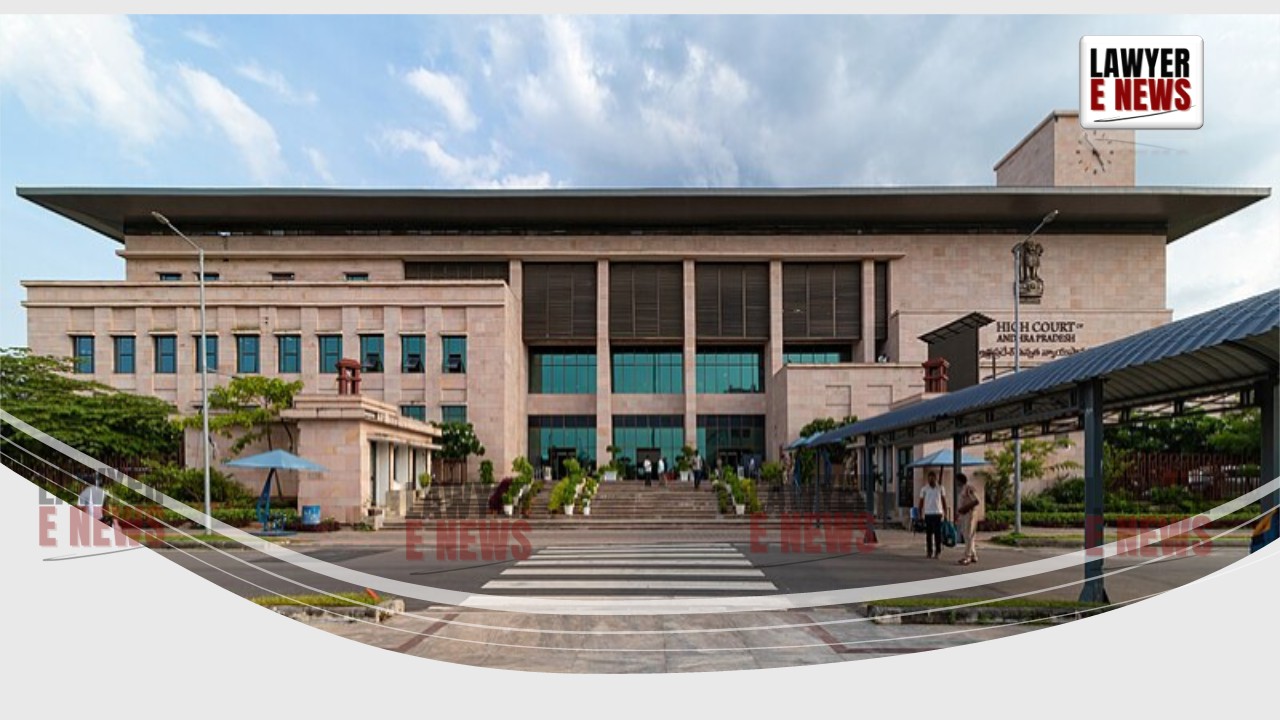
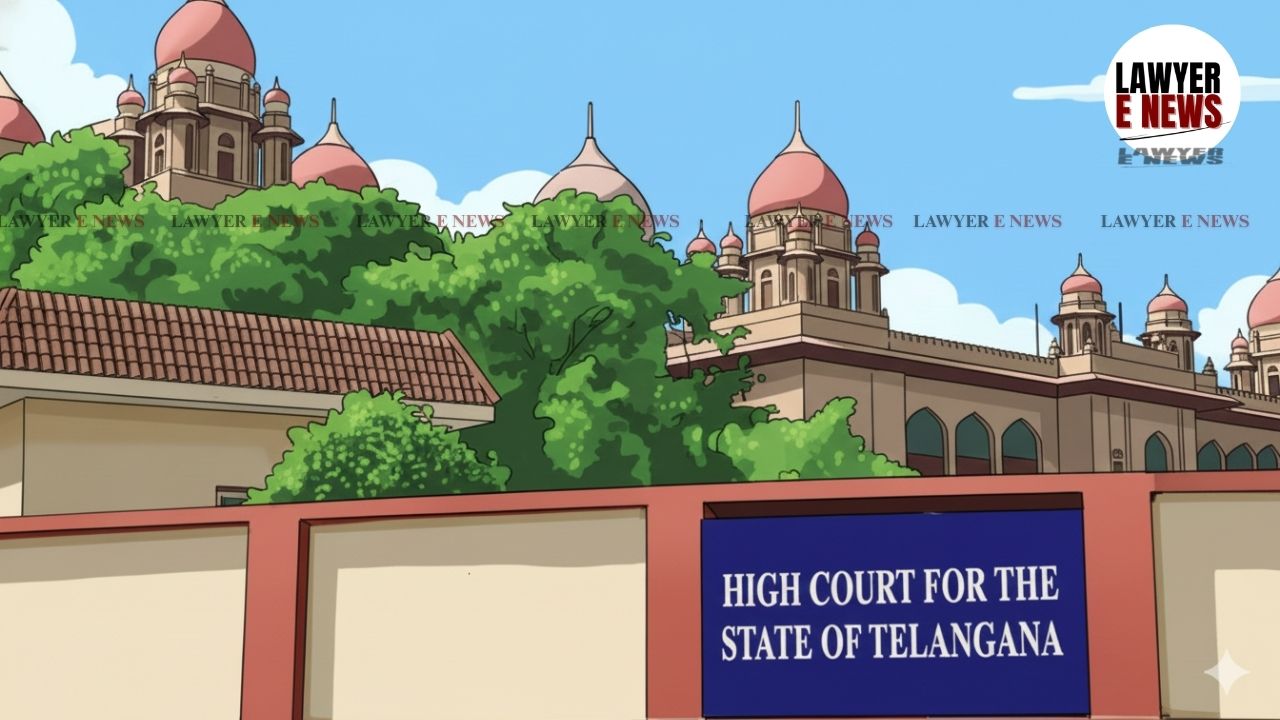
Rash and Negligent Driving Established—Dependents Entitled to Loss of Consortium, Estate, and Funeral Costs in Line with Apex Court Guidelines - Telangana High Court dismissed the appeal filed by APSRTC challenging a compensation award passed by the Motor Accidents Claims Tribunal (MACT), Ongole. Instead, the Court enhanced the compensation payable to the claimants from ₹4.62 lakhs to ₹6.22 lakhs, invoking its duty to ensure “just compensation” under the Motor Vehicles Act—even in the absence of an appeal by the claimants.
Justice A. Hari Haranadha Sarma ruled: “It is the statutory duty of the Court to ensure that just compensation is awarded. Hence, even in the absence of an appeal or cross-objection by the claimants, this Court can enhance the compensation if the facts so warrant.”
“She Was Crossing the Road to Go to Work—Bus Came in Rash and Negligent Manner”: MACT’s Findings Affirmed
The accident occurred on 24.06.2013, when Jyothi Marthamma, a 35-year-old labourer, was crossing the road near a brick kiln between Sankarapuram and Thimmayapalem villages. An APSRTC bus coming from Darsi side struck her. She succumbed to injuries the next day while undergoing treatment.
The bus driver claimed that the deceased emerged from behind a stationary tipper, was distracted by her mobile phone, and dashed into the bus. However, the Court observed: “The driver admitted awareness of a tipper parked on the roadside and claimed to have blown the horn. This indicates consciousness of potential pedestrian movement. The bus hit the deceased on the right side, where the driver sits, offering full visibility. The opportunity to prevent the mishap was more on the part of the driver than the deceased.”
No departmental enquiry report or acquittal order was produced to counter this finding.
Citing Bimla Devi v. Himachal RTC [(2009) 13 SCC 530], the Court reaffirmed: “In motor accident cases, strict proof is not required—only preponderance of probability. The solitary evidence of RW1 is insufficient to dislodge the claimants’ case.”
“Just Compensation Is a Matter of Law—Not Charity or Sympathy”
The MACT had awarded ₹4.62 lakhs using a notional income of ₹3,000 per month and applying a multiplier of 16. The High Court affirmed this baseline but found that the Tribunal failed to award amounts under key heads such as loss of estate, parental and spousal consortium, and proper funeral expenses.
The Court applied guiding principles from Sarla Verma, Pranay Sethi, and MAGMA General Insurance Co. v. Nanu Ram, and observed: “There is no straight-jacket formula for determining compensation, but failure to award under well-recognized heads such as consortium, estate, and funeral expenses results in denial of just compensation.”
Accordingly, the revised compensation awarded is as follows:
Loss of dependency: ₹4,32,000
Loss of consortium (₹40,000 each for 4 claimants): ₹1,60,000
Funeral expenses: ₹15,000
Loss of estate: ₹15,000
→ Total: ₹6,22,000 with 7.5% interest p.a.
The Court cited the Full Bench ruling in National Insurance Co. Ltd. v. E. Suseelamma [2023 SCC OnLine AP 172], which permits enhancement even without a cross-appeal.
“Legal Heirs Include Husband, Children, and Mother—Relationship and Dependency Proved”
The respondents included the deceased's husband (1st claimant), two daughters (2nd and 3rd claimants), and mother (4th claimant). The Family Member Certificate (Ex.A5) and oral testimony of PW1 were accepted by the Court.
The deceased was proven to be a coolie earning ₹200/day, and her notional income of ₹3,000 per month (inclusive of future prospects) was deemed reasonable based on 2013 rural economic standards.
The High Court concluded: “The award of the Tribunal does not call for interference on findings of negligence, but compensation under several heads was improperly omitted. Hence, this Court finds it fit to enhance compensation.”
The appeal by APSRTC was dismissed, and the claimants were held entitled to the enhanced compensation with interest at 7.5% per annum, up from 6%.
This judgment is a firm reiteration of judicial responsibility to deliver “just, fair, and equitable compensation”, even when claimants themselves have not pursued enhancement. It clarifies that adjudicatory duty under the Motor Vehicles Act cannot be curtailed by procedural defaults, especially in cases of fatal accidents affecting dependents from modest backgrounds.
In the words of the Court: “Justice must not be constrained by appeal numbers—it must be led by evidence, fairness, and compassion guided by law.”
Date of Decision: 10 March 2025