NDPS | Mentioning FIR Number On Memos Before Registration Makes the Entire Recovery Suspect: Himachal Pradesh High Court MACT | Once Deceased Is Proven To Be Skilled Worker, Deputy Commissioner's Wage Notification Is Applicable: P&H HC Bank’s Technical Excuses Can’t Override Employee’s Right to Ex Gratia Under Old Circulars: Bombay High Court Slams Canara Bank’s Rejection of Claim Once Worker Files Affidavit of Unemployment, Burden Shifts to Employer to Prove Gainful Employment: Delhi High Court Grants 17B Relief Despite 12-Year Delay Specific Relief Act | Readiness and Willingness Must Be Real and Continuous — Plaintiffs Cannot Withhold Funds and Blame the Seller: Bombay High Court Even If Claim Is Styled Under Section 163A, It Can Be Treated Under Section 166 If Negligence Is Pleaded And Higher Compensation Is Claimed: Supreme Court When Cheating Flows from One Criminal Conspiracy, the Law Does Not Demand 1852 FIRs: Supreme Court Upholds Single FIR in Multi-Crore Cheating Case Initiating Multiple FIRs on Same Facts is Impermissible: Supreme Court Quashes Parallel FIRs and Grants Bail Protection in Refund Case Limitation Act | Quasi-Judicial Bodies Cannot Invoke Section 5 Principles Without Express Statutory Grant: Supreme Court Arbitration Act | Commencement of Proceedings Triggered by Notice Receipt, Not Section 11 Filing: Supreme Court Strong and Cogent Evidence Must Exist at the Threshold to Deny Bail Under Section 319 CrPC: Supreme Court Appellate Court Under Section 37 Cannot Sit in Appeal Over Arbitral Award on Merits: Supreme Court Affidavit Ratifying Power of Attorney Cannot Be Disowned Later: Supreme Court Orders Specific Performance Despite Earlier Revocation Claims No Law Empowers a Corporation to Haunt a Retiree: Supreme Court Quashes Post-Retirement Disciplinary Action for Want of Jurisdiction Mere Expectation of Higher Bids Can't Justify Cancelling a Valid Auction: Supreme Court Quashes GDA’s Arbitrary Rejection of Highest Bidder Prolonged Incarceration Without Trial Violates Article 21, Even in Grave Economic Offences: Supreme Court Grants Bail to Arvind Dham in ₹673 Crore PMLA Case Article 14 | ‘Rules of the Game Cannot Be Changed Midstream’: Supreme Court Quashes Punjab’s Modified Sports Quota Policy for MBBS Admissions Rules of the Game Cannot Be Changed Midway: Supreme Court Quashes Bihar’s Retrospective Recruitment Amendment "Imaginary Ghost" - Court Permits Karthigai Deepam at Thiruparankundram ‘Deepathoon’: Madras High Court 353 IPC | Continuing Prosecution Against Citizens Despite Statutory Findings of Police Atrocities Is Abuse of Process: Kerala High Court Court Cannot Compel Plaintiff to Continue Suit Where No Liberty to File Fresh Suit is Sought: Bombay High Court Claim for Demurrage is Not a Crystallized Debt—Only an Unadjudicated Right to Sue: Andhra Pradesh High Court Declared Foreign Nationals Have No Right to Reside in India: Gauhati High Court Upholds Expulsion of Bangladeshi Woman Without Requiring Deportation Protocols

Doctrine of Res Judicata Fundamental to Judicial Decisions: Delhi High Court Upholds Trial Court’s Issue Reframing in Land Dispute Case

07 May 2024 8:19 AM

By: Admin


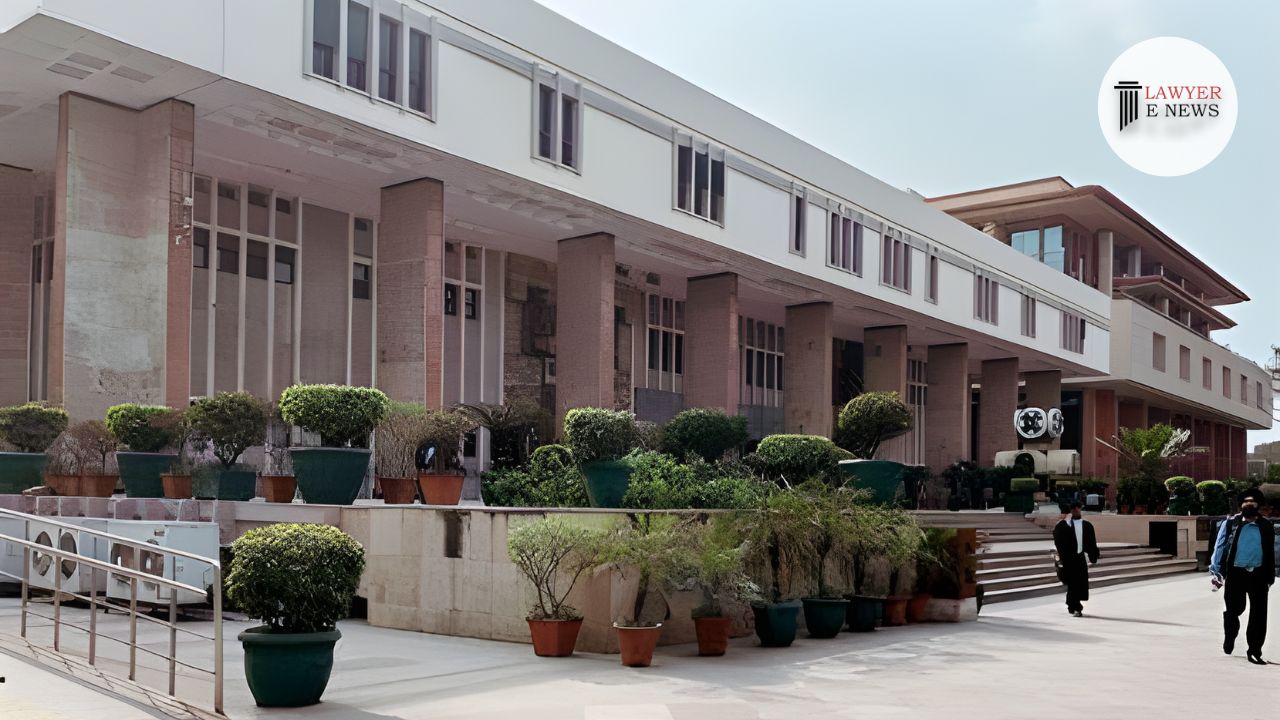
In a significant ruling, the Delhi High Court today upheld the reframing of issues by the Trial Court in a long-standing land dispute case. Justice Manmeet Pritam Singh Arora emphasized the importance of the doctrine of res judicata in the judicial system, stating, “A judicial decision must be accepted as correct and no person should be vexed twice with the same kind of litigation.”

The case, centered around the validity of a sale deed and the subsequent civil suit for declaration and injunction, saw the petitioner challenging the Trial Court’s decision to delete certain issues and reframe new ones. The High Court meticulously examined the necessity of additional issues proposed by the petitioner, ultimately finding no need for their separate framing.

Justice Arora noted, “The proposed issue no.1 pertaining to the bar of Section 330-331 of the Act of 1950, has already been decided by the Trial Court vide order dated 05.04.2010, which has been upheld by the learned Coordinate Bench on 30.09.2010.” This assertion underlines the Court’s reliance on the doctrine of res judicata, ensuring that the matter is not re-litigated, respecting previous judicial decisions.

In a case dating back to 2002, the issues revolved around the transfer of land and the authority vested by a Power of Attorney. The High Court’s decision consolidates the issues concerning the validity of the Power of Attorney, jurisdiction under the U.P. Zamindari Abolition and Land Reforms Act, and questions of possession and transfer rights.

The Court also addressed concerns regarding the prolongation of the suit, urging the Trial Court to expedite the proceedings. Emphasizing the need for a speedy trial, the Court directed that the trial be concluded within nine months from December 19, 2023.

Date of Decision: 20th November, 2023

HARGURSHARAN SINGH VS AMRINDER KAUR & ORS   

Latest Legal News