-
by sayum
04 August 2026 1:39 PM







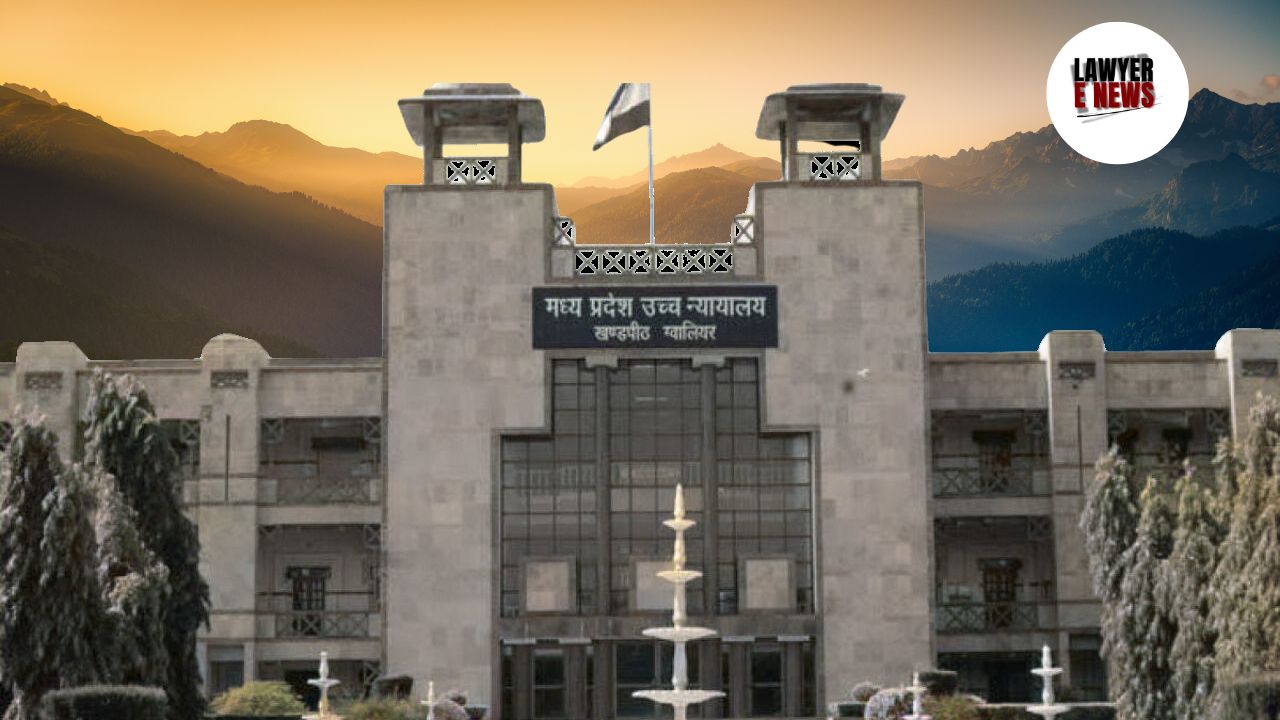
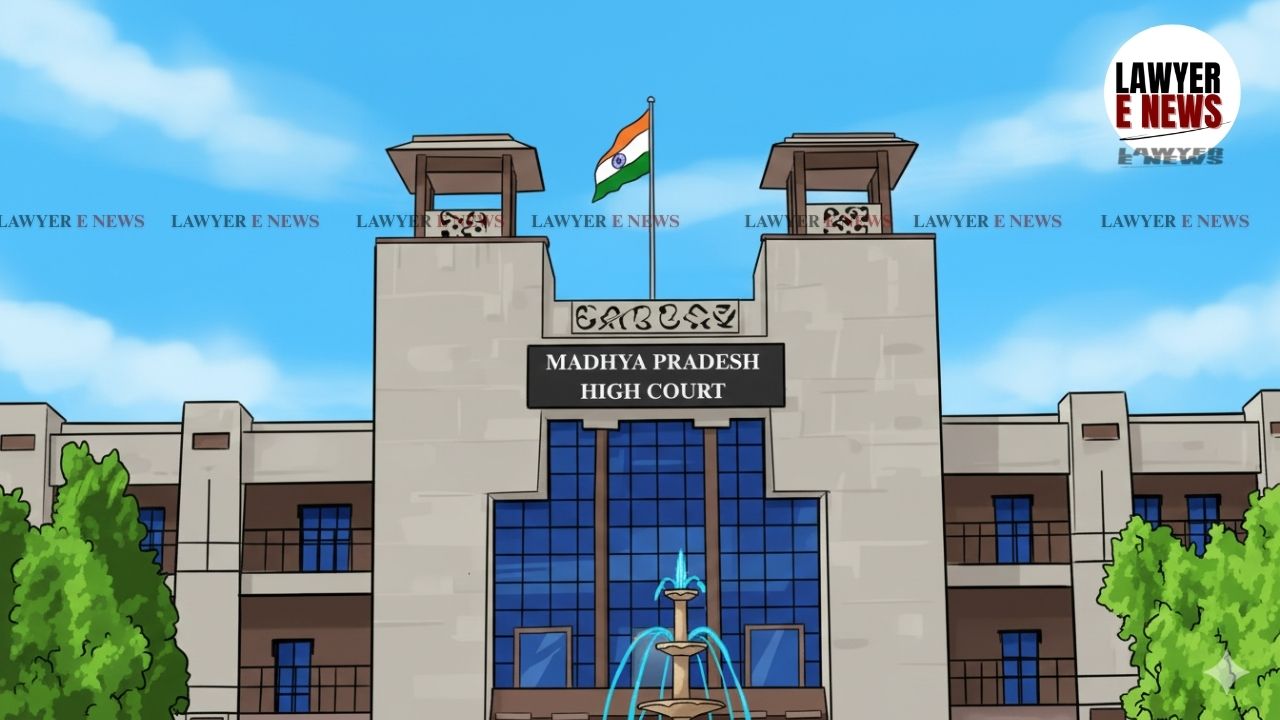
"The right to fair trial is one of the fundamental guarantee[s] of the rule of law… Denial of adequate opportunity to cross-examine a material prosecution witness may seriously prejudice the right to defend of the accused" – Madhya Pradesh High Court at Indore reaffirming the fundamental right to a fair trial. The Court set aside the trial court’s order which had closed the accused’s right to cross-examine the Investigating Officer (IO) on the very first default, holding such closure to be “harsh and improper”. This judgment reinforces judicial sensitivity towards procedural fairness and the rights of the defence in criminal trials.
The case arose from Sessions Trial No. 73 of 2023 before the Third Additional Sessions Judge, Dewas (MP). The accused, Shyam Premchandani, sought to cross-examine Inspector Saleem Khan, the Investigating Officer. Although the IO’s examination-in-chief was completed on February 19, 2025, the senior counsel for the accused was unavailable, and the defence sought an adjournment for cross-examination. However, the trial court refused the adjournment and closed the cross-examination, citing delay and the matter being among the “25 oldest cases”.
The defence, in its revision petition, emphasized that this was a solitary default and expressed willingness to bear the cost of recalling the witness.
The primary legal issue revolved around the denial of the right to cross-examine a material witness on the first instance of default and its implications for the right to a fair trial.
Justice Sanjeev S Kalgaonkar emphasized that: “The right to fair trial is one of the fundamental guarantee[s] of the rule of law, aimed at ensuring administration of justice. Fair trial includes fair and proper opportunities allowed by law to prove defence by cross-examination of prosecution witness.”
The Court noted that the associate counsel for the defence had cross-examined another witness (ASI Ram Naresh Sharma) but had requested adjournment solely for the IO’s cross-examination due to the senior counsel's unavailability. Therefore, closing the opportunity without any prior default or pattern of delay amounted to procedural impropriety.
The Court held: “The closure of right to cross-examine the Investigating Officer on first opportunity appears to be harsh and improper. The impugned order suffers from impropriety.”
Exercising its supervisory jurisdiction under Section 438 of the Bharatiya Nagarik Suraksha Sanhita, 2023 (analogous to Section 397 of CrPC), the High Court set aside the impugned order. It directed the trial court to provide a single opportunity for cross-examining the IO, Inspector Saleem Khan.
To balance fairness with judicial efficiency, the High Court imposed a condition of cost: “The cost for re-summoning the aforesaid witness of Rs.2,000/- shall be deposited within a period of seven working days.”
Further, the Court clarified that failure to utilize this opportunity would entitle the trial court to proceed in accordance with law.
This judgment is a significant reaffirmation of procedural safeguards within the criminal justice system. It highlights the judiciary’s proactive role in preventing technical denials of justice, especially in the name of expedition or docket pressure. A fair trial must not be compromised by procedural rigidity, particularly where a basic right like cross-examination is at stake.
Date of Decision: 07 May 2025