UDCPR | Municipal Authorities Empowered To Grant Relaxation For Recreational Open Spaces In Redevelopment Projects: Bombay High Court Appellate Court Can Enhance Compensation Under Motor Vehicles Act Even Without Cross-Appeal By Claimants: Allahabad High Court State Instrumentalities Cannot Supplement Reasons For Withholding Public Money Via Affidavits Years Later: Calcutta High Court Immoral Traffic (Prevention) Act | Victim's Status As 'Illegal Immigrant' Does Not Dilute Offence Or Shield Perpetrator: Bombay High Court Clubbing Of Criminal Trials | No Basis To Direct Consolidation If Connected Proceedings Have Already Concluded: Delhi High Court IBC ‘Clean Slate’ Principle Cannot Extinguish Pre-existing Crystallized Liability Under Labour Awards: Bombay High Court Section 406 IPC | 'Donation' Does Not Constitute 'Entrustment'; Criminal Prosecution Quashed In Absence Of Aggrieved Victim: Delhi High Court Failure To Deliver Possession Of Plot Constitutes "Continuous Wrong" Giving Rise To Recurrent Cause Of Action Under Consumer Protection Act: Delhi State Commission High Court Cannot Entertain Writ Petition Under Article 226 When Statutory Appellate Remedy Under Section 107 CGST Act Is Available: Gujarat High Court Appointment Of Temple Servants Is The Exclusive Prerogative Of The Hereditary Trustee: Kerala High Court Stay Of Suit Proceedings Under CPC Does Not Automatically Bar Adjudication Of Pending Temporary Injunction Application: Rajasthan High Court Section 136A MV Act | Supreme Court Directs States To Impound Vehicles With Unpaid E-Challans And Mandates Electronic Enforcement Compliance Section 115 CPC | Executing Court Cannot Dismiss Execution Petition On Hyper-Technical Grounds Regarding LRs Of Judgment Debtor: Himachal Pradesh High Court Succession Act | Will Not Validly Executed If Attesting Witness Admits Signing Without Witnessing Testator’s Signature: Madras High Court High Court Cannot Interfere Under Article 227 To Correct Errors Of Fact Or Act As An Appellate Court: Madhya Pradesh High Court Advocates Act 1961 | Bar Council Has No Power To Suspend Advocate Pending Disciplinary Enquiry: Allahabad High Court Identification Of Accused By Police Personnel In Pitch Darkness Without Prior Acquaintance Is Unreliable: Himachal Pradesh High Court Body Shaming Or Insulting Physical Appearance Does Not Per Se Constitute Offence Under Section 509 IPC: Karnataka High Court Drishyam 3 | Interim Injunction To Restrain Film Release Cannot Be Granted Without Establishing Clear Subsisting Legal Right: Madras High Court Town Planning Scheme | Statutory Notice To Occupiers Under Rule 12(2)(a) Punjab Municipal Rules Is Mandatory And Independent Of Notice To Owner: Punjab & Haryana High Court

Delhi High Court Upholds Denial of Bail in Delhi Riots Case: Material Evidence Indicates Involvement – Justice Amit Bansal

07 May 2024 8:19 AM

By: Admin


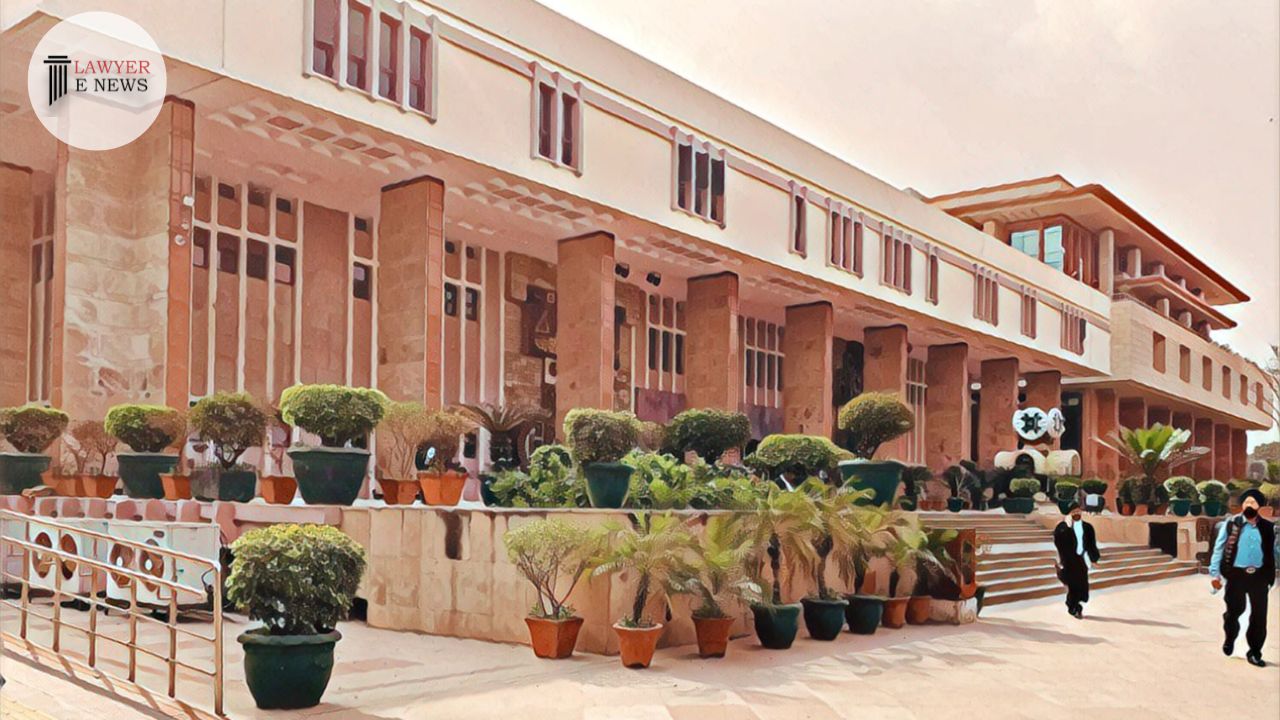
The Delhi High Court dismissed the bail application of Mohd. Mustaqeem, connected with the February 2020 Delhi riots, which resulted in the tragic death of an innocent bystander, Rahul Solanki. Justice Amit Bansal, presiding over the case, emphasized the significant material evidence against the petitioner, leading to the denial of bail.

The case, registered under multiple sections of the Indian Penal Code, including Section 302 (murder), has been a subject of extensive investigation since the riots. The petitioner, Mohd. Mustaqeem, was identified as a key suspect in the incident.

Justice Bansal’s decision was heavily influenced by the testimonies and evidence presented. He noted, “On a prima facie view, there is material on record to show the involvement of the applicant in the alleged offences.” This statement highlights the court’s stance on the gravity of the evidence against Mustaqeem.

The eyewitness identification played a crucial role in this judgment. Anil Kumar, cousin of the deceased, identified the petitioner as the assailant. Kumar’s statements, supported by a video clip and subsequent identification procedures, were pivotal in linking Mustaqeem to the crime.

The court also addressed the petitioner’s refusal to participate in the judicial Test Identification Parade (TIP), underscoring a potential compromise in the authenticity of the identification process. However, this did not detract from the overall evidence presented against the petitioner.

The judgment also reflects on the complexities of bail grants in cases involving severe charges such as life imprisonment or death. Justice Bansal’s observation, “Long incarceration alone not sufficient for bail, especially in cases with charges punishable by death or life imprisonment,” sets a precedent for similar cases in the future.

Decision: 18 December, 2023

MOHD. MUSTAQEEM VS STATE (GOVT OF NCT) OF DELHI

 

Latest Legal News