
-
by sayum
10 October 2026 11:19 AM







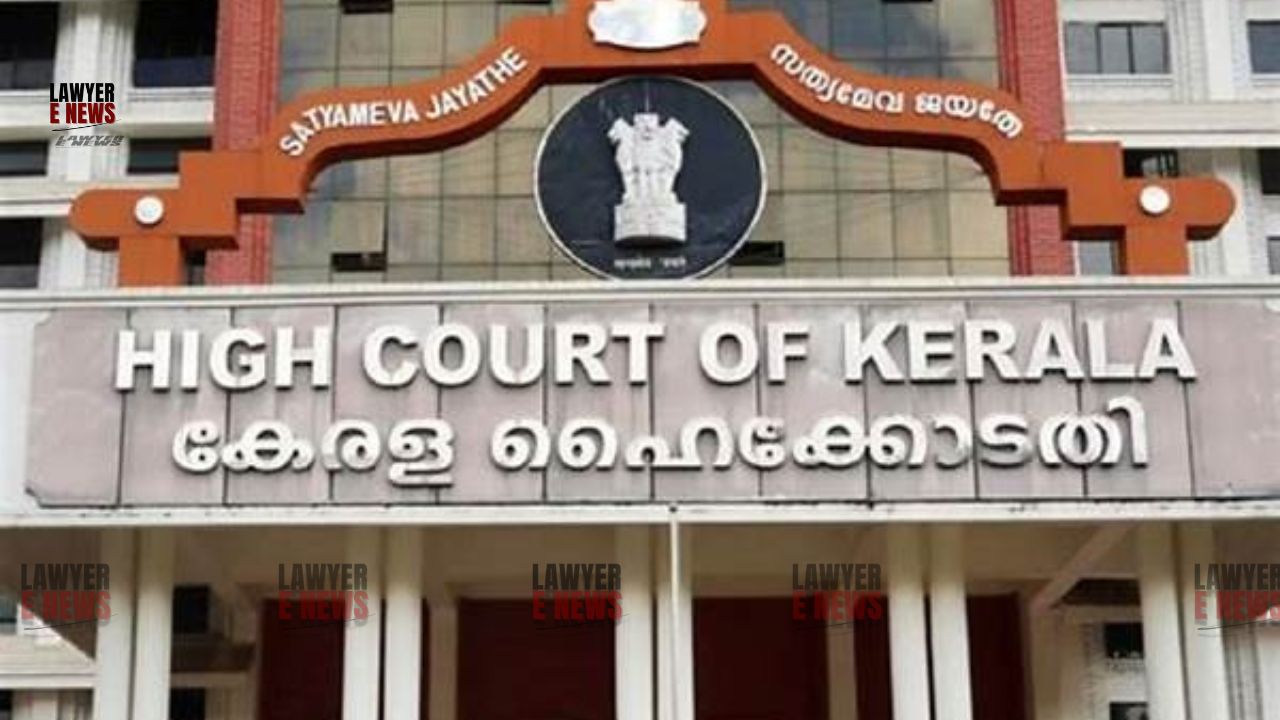
Kerala High Court, presided by Justice P.G. Ajithkumar, delivered a significant ruling in Sobhana & Mohanan v. State of Kerala and Gopala Krishna Pillai v. State of Kerala. The Court granted anticipatory bail to the petitioners accused in Crime No. 1773/2023, a case involving fraudulent sale of property and obstruction of a court decree. Despite the serious allegations, the Court ruled that detention was not required, setting conditions for the petitioners to cooperate with the investigation.
The case arose from a complaint filed by the third respondent in relation to Crime No. 1773/2023 before the Judicial Magistrate of First Class, Paravur. The key allegations involve the fraudulent execution of sale deeds by the first accused, Gopala Krishna Pillai, in favor of the co-accused, Sobhana and Mohanan. These properties were already subject to a decree in a prior civil suit (OS No. 209/1996) which had ruled in favor of the complainant. The complainant alleged that the sale deeds were executed in violation of the court’s decree and were aimed at misleading the judiciary.
The criminal charges were filed under several sections of the Indian Penal Code (IPC), including Sections 120(b) (criminal conspiracy), 467 (forgery), and 474 (possession of forged documents), among others.
The primary legal issue was whether anticipatory bail could be granted in a case where serious allegations of fraud and forgery were involved, particularly when the acts alleged could potentially mislead the courts and obstruct the execution of a decree. The prosecution argued that interrogation of the accused was critical for the investigation and opposed the bail plea on grounds that the accused had attempted to manipulate the legal process.
The petitioners contended that the dispute was civil in nature, stemming from a long-standing property disagreement. They argued that detention was unwarranted, as there was no intent to commit a criminal offense, and they had purchased the property in good faith.
Justice P.G. Ajithkumar, upon reviewing the submissions, emphasized the necessity of a thorough investigation, but also noted that the circumstances of the case did not justify pre-trial detention. In his words, "A serious investigation in the matter is very much required. However, detention of the petitioners pending the investigation appears unnecessary in the nature and circumstances of the case."
The Court ruled in favor of granting anticipatory bail, subject to stringent conditions to ensure that the accused did not interfere with the investigation or tamper with evidence. The key conditions for bail were as follows:
The petitioners must surrender before the Investigating Officer within two weeks.
They were required to execute bonds worth ₹50,000 each, along with two solvent sureties of the same amount.
They were ordered to appear before the Investigating Officer every Tuesday and Friday for a period of three months or until the final report is filed, whichever is earlier.
They were prohibited from leaving the jurisdiction without prior permission from the Magistrate.
The petitioners were directed to surrender their passports and refrain from influencing witnesses or tampering with evidence.
The Court also stated that any breach of these conditions would result in an application for the cancellation of bail.
The Kerala High Court's decision to grant anticipatory bail in this case highlights the balance courts must strike between ensuring a fair and thorough investigation while safeguarding individual liberty in cases involving complex civil and criminal allegations. The ruling emphasizes that detention during investigation is not always necessary, especially when adequate conditions can ensure cooperation with law enforcement.
Date of Decision: 20/09/2024
Sobhana & Mohanan v. State of Kerala and Gopala Krishna Pillai v. State of Kerala