-
by sayum
24 August 2026 3:22 PM







Subheadline: The court stresses the critical importance of timely FIR registration and questions the credibility of medical evidence presented.
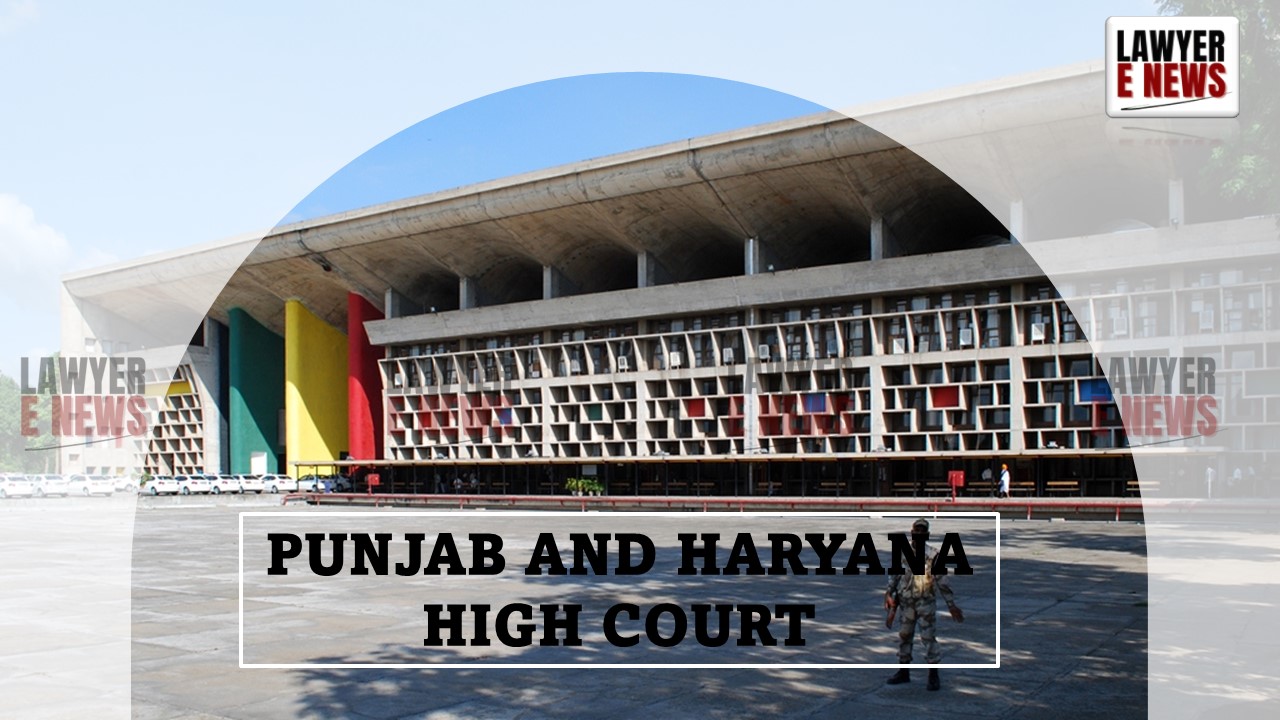
High Court of Punjab and Haryana at Chandigarh has upheld the acquittal of three accused in an assault case, citing unexplained delay in the lodging of the FIR and potential manipulation of medical evidence. The decision reaffirms the trial court’s judgment, stressing the critical importance of timely FIR registration to ensure the credibility of the prosecution’s case.
Facts of the Case:
The case pertains to an incident on the night of May 17, 2014, when Banwari Lal, a tractor driver, was allegedly assaulted by Karam Chand and his sons Bablu @ Suraj and Baljit Singh, along with two others, Ramesh and Billu. According to the prosecution, Banwari Lal was intercepted, forcibly taken to Karam Chand’s house, and beaten, resulting in head injuries. He was found the next morning and taken to the hospital, where he was declared unfit to make a statement until May 23, 2014. An FIR was registered the same day. The trial court acquitted the accused on May 19, 2017, citing delays and potential evidence manipulation. The State of Haryana filed an appeal against this acquittal.
Court Observations and Views:
Delay in FIR Registration:
The High Court highlighted the significant delay in lodging the FIR, emphasizing that timely registration is crucial to avoid suspicions of embellishment. The court noted, “Unexplained delay in lodging the FIR may give rise to suspicion and could potentially affect the credibility of the prosecution’s case.”
Manipulated Medical Evidence:
The court scrutinized the medical evidence, finding inconsistencies and potential manipulation. Justice Karamjit Singh remarked, “The complainant was found fully fit and well-oriented at the time of his medico-legal examination, yet subsequent endorsements declaring him unfit to make a statement appeared to be manipulated to gain time for fabricating a tainted version of the incident.”
Witness Testimonies:
The court examined testimonies from various witnesses, including medical professionals who treated Banwari Lal. It found discrepancies in their statements and the medical records, further supporting the trial court’s conclusion of potential manipulation.
Legal Reasoning:
The High Court emphasized the principle that FIRs should be filed promptly to ensure the integrity of the evidence. The judgment reiterated, “Delay in lodging the FIR, if not satisfactorily explained, can be considered fatal to the prosecution’s case.”
Quotes from the Judgment:
Justice Karamjit Singh stated, “Endorsements declaring the complainant unfit to make statements were manipulated by the complainant to gain time for introducing a tainted version, after due deliberations with the police officials.”
Conclusion: The High Court’s dismissal of the appeal underscores the judiciary’s commitment to upholding procedural integrity in criminal cases. By affirming the trial court’s findings, the judgment sends a clear message about the necessity of timely FIR registration and the reliability of medical evidence. This decision is expected to influence future cases, reinforcing the importance of prompt and accurate legal processes.
Date of Decision: July 30, 2024