-
by sayum
26 August 2026 1:49 PM







“In a case of rape or attempt to rape, the conception of compromise under no circumstances can really be thought of. These are offences which suffocate the breath of life and sully the reputation.” — Kerala High Court
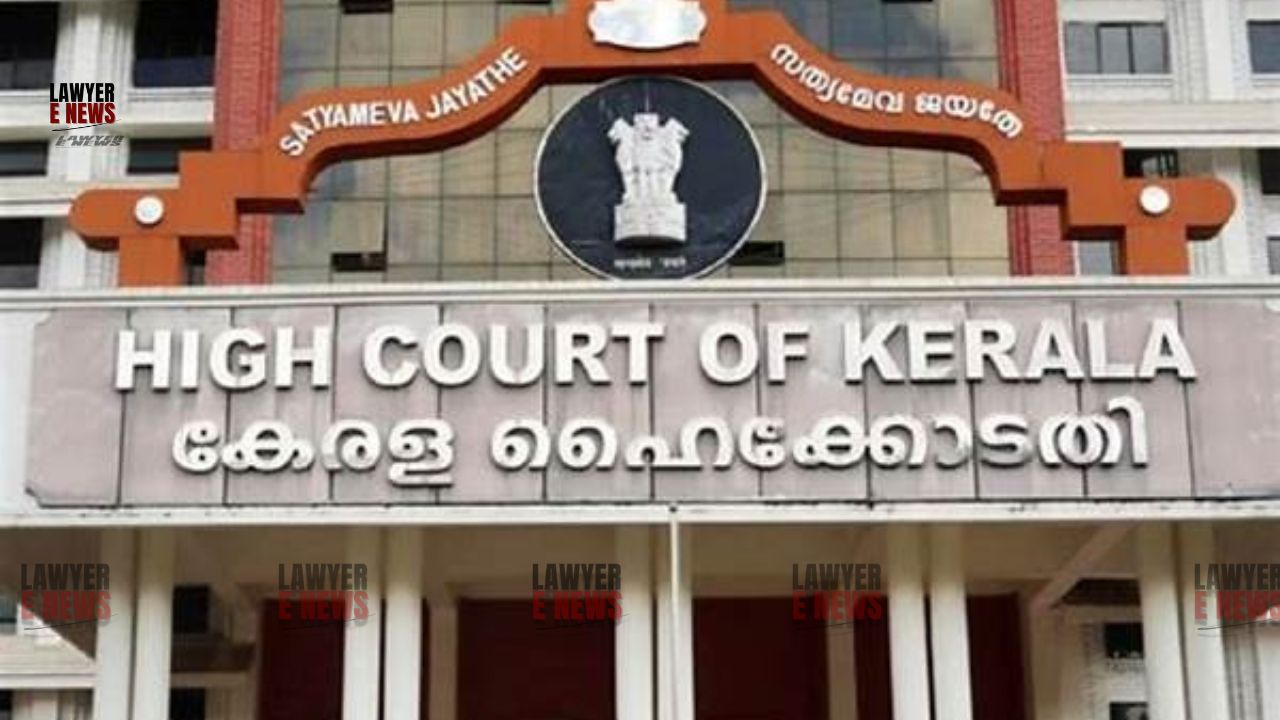
Kerala High Court in a stern and unequivocal judgment refused to quash criminal proceedings in a gang rape and abduction case, despite the alleged victim filing an affidavit of no objection, citing an “amicable settlement” with the accused. Dismissing the petition filed under Section 482 of the Code of Criminal Procedure, 1973, the Court ruled that heinous sexual offences are crimes against society at large and cannot be quashed merely because the victim later chooses not to pursue them.
“Settlements cannot override public interest in prosecuting grave offences such as gang rape. The dignity of a woman is part of her non-perishable and immortal self—and no one should ever think of painting it in clay,” the Court asserted.
“No Court Can Endorse Compromise in Crimes That Violate Bodily Autonomy and Societal Conscience”
“These are not private wrongs but crimes that undermine the rule of law and the sanctity of human dignity”
The petitioners—accused Nos. 1 to 3—stood charged under Sections 366, 368, 376D, and 506(i) IPC for allegedly abducting the de facto complainant and subjecting her to repeated sexual assault at a resort in Karnataka. The first accused, a relative, had allegedly taken the complainant under false pretenses, confined her with threats, and facilitated multiple rapes by accused Nos. 2 and 3 over three days.
Despite these grave allegations, the accused sought quashment of the proceedings on the ground that the victim had filed an affidavit in 2018, stating that she had filed the complaint under familial pressure and that she no longer had any grievance.
Rejecting the prayer, the Court emphasized that even a genuine compromise cannot dilute prosecution in heinous offences:
“The position of law is now settled that the prosecution of heinous offences like rape and POCSO crimes cannot be terminated by the Court on the basis of compromise... Such attempts often arise from inducement or threat.” [Para 14]
Victim’s Affidavit Cannot Trump Prima Facie Evidence: “Criminal Justice Is Not a Private Contract”
“Merely because the de facto complainant chooses to retract, courts cannot allow public justice to be derailed”
The Court noted that the initial statement of the victim to the police clearly disclosed repeated acts of rape and criminal intimidation committed after her abduction. The change in her stand through an affidavit, filed shortly after the complaint and trial, was viewed with suspicion and found insufficient to outweigh the evidentiary value of the prosecution's final report.
“The records relied on by the prosecution are prima facie indicative of the commission of offence by the accused. Hence, quashment cannot be resorted to.” [Para 13]
The Court reaffirmed that the power under Section 482 CrPC must be exercised sparingly and only in the rarest of circumstances, and not when it might “stifle a legitimate prosecution” of crimes affecting collective societal conscience.
Binding Supreme Court Precedents Leave No Room for Quashment in Heinous Crimes
“Courts are bound by the public interest in seeing justice served—regardless of the victim’s subsequent change of mind”
Justice Girish grounded his decision in a catena of landmark Supreme Court judgments, including:
Gian Singh v. State of Punjab, (2012) 10 SCC 303
“In respect of serious offences like murder, rape, dacoity... the settlement between offender and victim can have no legal sanction at all.”
Parbatbhai Aahir v. State of Gujarat, (2017) 9 SCC 641
“Such offences are not private in nature, but have a serious impact upon society.”
State of M.P. v. Madanlal, (2015) 7 SCC 681
“These are crimes against the body of a woman which is her own temple. Dignity is sacrosanct.”
Ramji Lal Bairwa v. State of Rajasthan, (2025) 5 SCC 117
“Heinous and serious offences could not be quashed even if the offender and victim’s family settle the dispute.”
In Re: Right to Privacy of Adolescents, 2024 SCC OnLine SC 2055
“Courts must not use Article 226 or Section 482 CrPC to nullify trials in rape cases where guilt has been established.”
The Court held that the jurisprudential thread running through all these rulings is clear—rape and similar offences are not just legal wrongs but moral affronts to the collective conscience of society, and therefore non-compoundable by private arrangement.
Quashment Denied to Uphold Rule of Law and Protect Constitutional Values
Ultimately, the Kerala High Court found no merit in the petition and categorically dismissed it:
“As far as the present case is concerned, the prayer to quash the proceedings based on the affidavit sworn by the victim cannot be entertained since it would be against the settled principles of law.” [Para 15]
In doing so, the Court sent a strong signal that compromise and extrajudicial settlements cannot be used to dilute the gravity of sexual violence, even if cloaked as mutual understanding.
Dignity Cannot Be Negotiated—And Justice Cannot Be Privatised
This judgment reinforces a powerful constitutional message: individual liberty and bodily integrity are non-negotiable, and courts have a sacred duty to preserve the sanctity of justice, especially in crimes that violate the most personal and inviolable rights of an individual.
The ruling underscores that Section 482 CrPC cannot be misused as a backdoor for immunity in cases of rape, abduction, and sexual brutality, even if victims withdraw or compromise later. The trial will now proceed before the Sessions Court in Kasaragod.
Date of Decision: 23 October 2025