-
by sayum
03 October 2026 9:56 AM







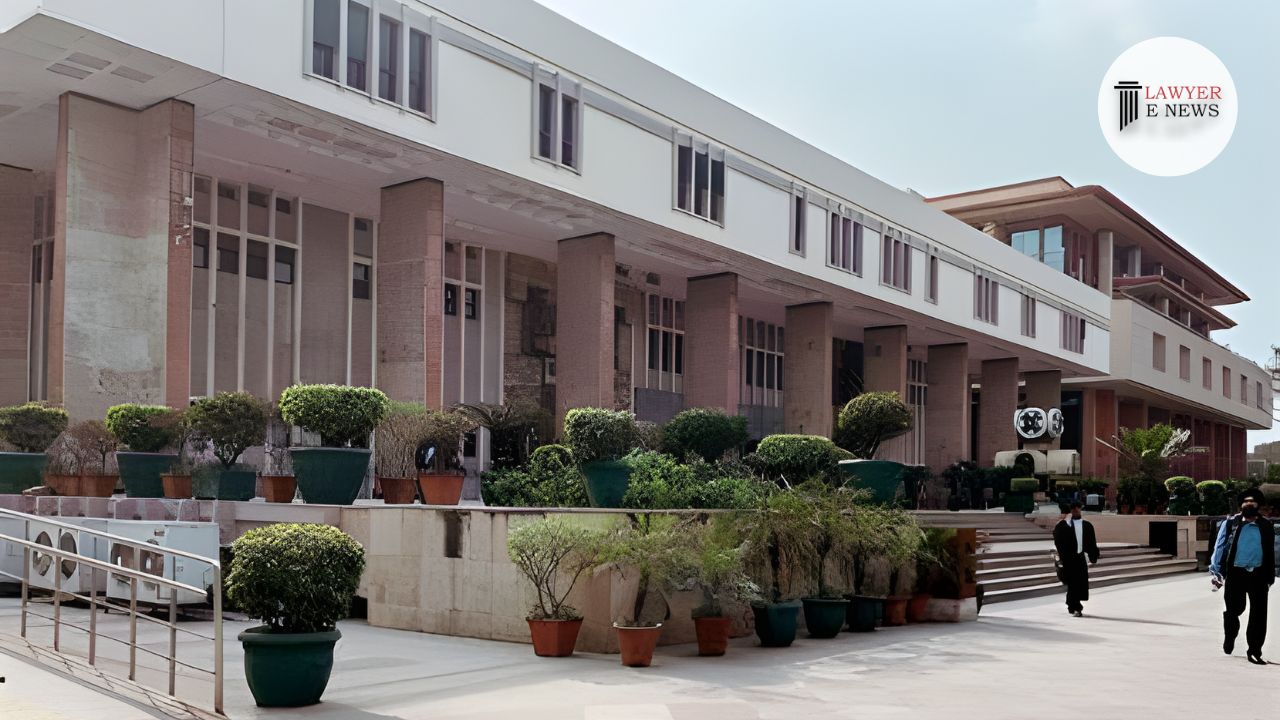
In a significant legal development, the Delhi High Court has issued a pivotal ruling on the collection of voice samples during ongoing criminal investigations. The judgment, rendered on December 7, 2023, by HON’BLE MR. JUSTICE AMIT BANSAL, provides crucial insights into the delicate balance between individual privacy rights and the pressing needs of law enforcement agencies.
The case in question, CRL.M.C. 1534/2018 – SANJIV KUMAR v. THE STATE GOVT OF NCT OF DELHI, revolved around two pivotal court orders. One order allowed for the collection of voice samples from the petitioner, Sanjiv Kumar, while the other dismissed his appeal against this decision.
“Until explicit provisions are engrafted in the Code of Criminal Procedure by Parliament, a Judicial Magistrate must be conceded the power to order a person to give a sample of his voice for the purpose of the investigation of a crime.”
This critical ruling hinged on the interpretation of existing legal provisions, notably Section 482 of the Code of Criminal Procedure, and a precedent set by the Supreme Court in Ritesh Sinha v. State of Uttar Pradesh and Anr., (2019) 8 SCC 1. The Court emphasized that while the fundamental right to privacy is vital, it must be harmonized with the compelling public interest associated with criminal investigations.
The judgment referenced the 2006 amendment to Section 53 of the CrPC, which expanded the scope of medical examination for criminal investigations. It also underscored the importance of Section 5(2) of the Telegraph Act, asserting that the police had adhered to statutory provisions for the interception of telephone calls during the investigation.
Despite the petitioner’s claims that the surveillance did not adhere to the relevant provisions, the Court disagreed, validating the legality of voice sample collection and endorsing the orders issued during the investigation phase.
This landmark decision carries significant implications for the intersection of personal privacy rights and law enforcement’s imperative to gather evidence during ongoing criminal investigations. It establishes a legal precedent affirming that Magistrates possess the authority to order voice sample collection until specific legislative provisions are enacted by Parliament.
The judgment further distinguishes a prior ruling by a Coordination Bench in Jitender Pal Singh v. Central Bureau of Investigation, emphasizing the binding nature of Supreme Court decisions. It also acknowledges that individuals retain the right to raise objections concerning compliance with statutory provisions at the trial stage, safeguarding their rights throughout the legal process.
Date of Decision: December 7, 2023
SANJIV KUMAR VS THE STATE GOVT OF NCT OF DELHI