-
by sayum
21 October 2026 5:27 PM







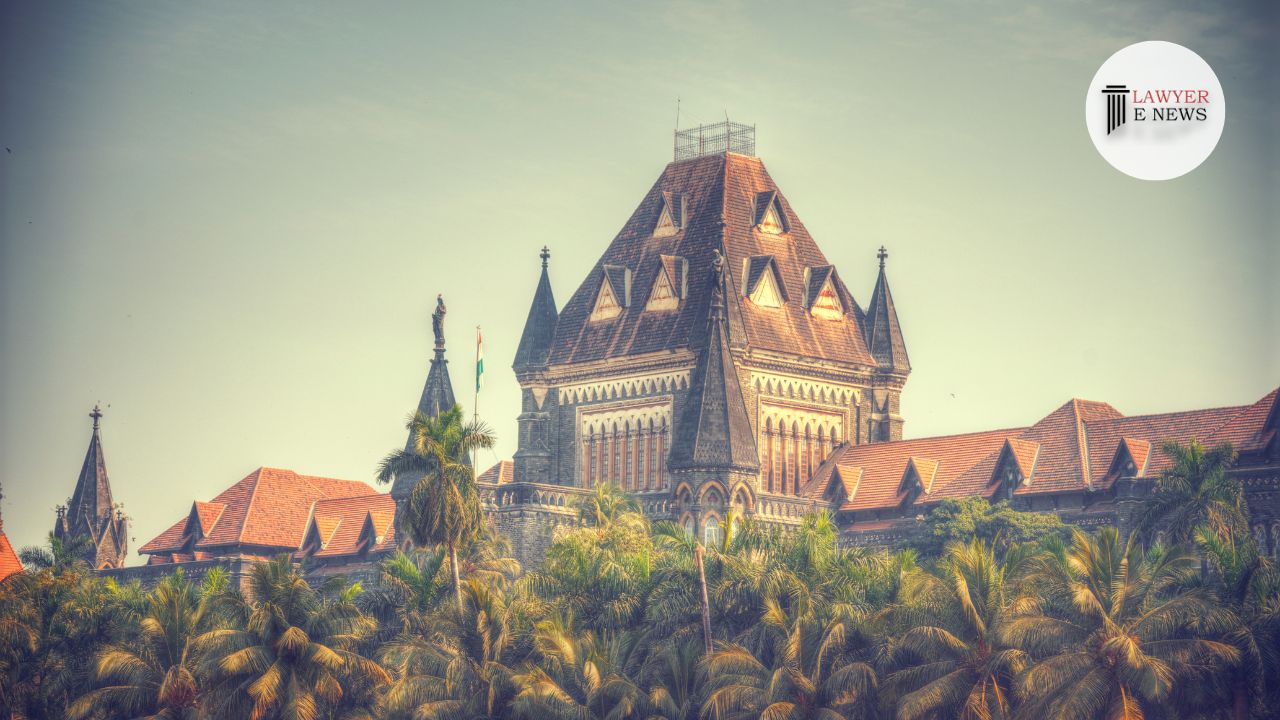
The Bombay High Court recently demanded a report [Azaruddin Nihaluddin Mirsilkar @ Raju Sharma vs. State of Maharashtra] outlining the causes of the delays in the prosecution of cases brought under the Protection of Children from Sexual Offenses Act (POCSO Act).
A single judge named Justice Bharati Dangre investigated the reasons why the Act's regulations weren't being followed by the POCSO's special courts.
The Principal Judge was given the following instructions by the Court: "shall submit further report and analyse causes for delay in concluding the POCSO cases and why concerned courts are unable to adhere to the mandate, provided under the special statute, keeping in mind objective underscoring the same being less inconvenient and humiliation to be faced by the victim and by ensuring speedy trial."
The bench was informed of a request for bail on the grounds that the trial would be delayed due to the accused's detention in 2016.
The Court reached its conclusion after considering a prior report summarising the cases that were still ongoing in POCSO in the city's special courts.
"Looking (sic) at (the) pendency of the POCSO cases before the Courts, it may be claimed that the special courts are likewise under great pressure to wrap up the trials, hence as far as the present case submitted in 2016 is concerned, the trial is not yet concluded," the judge said.
Additionally, the Court was made aware that the case it was handling was being considered by a Dindoshi special court, which now has around 240 cases on its docket.
Also stated was the unequal distribution of POCSO cases among several special courts.
"When reading the information provided by the Principal Judge, the allocation of 1,228 cases to courtroom number 11 and 1,070 cases to courtroom number 12 stood out as an interesting fact. Comparatively, it is said that courtrooms 9 and 10 have 138 and 116 cases, respectively. Why the distribution of occurrences varies is unknown. The Chief Judge would therefore provide the same justification." In the order, Justice Dangre remarked.
After reviewing the report, the judge added that just two of the courts designated to hear POCSO cases were now vacant.
As a result, she issued the Principal Judge the directive to inform the Court of the steps being taken to fill the vacancies so that the two designated courts could get the necessary orders for prompt case settlement.
The bench further requested the Principal Judge to produce a data showing a split of the years from which these cases are pending in order to identify the reasons for the delay and issue the requisite directives for their resolution.
"The victim's storey wasn't recorded until eight years after the incident in this case, which may be one of the causes. A delay can occasionally have an impact on the trial's outcome, thus the Magistrates must acquire the required instructions on recording the victim's statement as soon as possible "according to the Court.
The Court made a special note of the current case, noting that only two witnesses had been questioned by the prosecution thus far and that there were still over ten witnesses who needed to testify.
As a result, the Court gave the Dindoshi special court jurisdiction instructions to wrap up the trial as soon as possible, but no later than six months.
The matter will be relisted on August 29.
Mr.Azaruddin Nihaluddin Mirsilkar @ Raju Sharma] vs State of Maharashtra & Anr.