-
by sayum
03 October 2026 8:28 AM








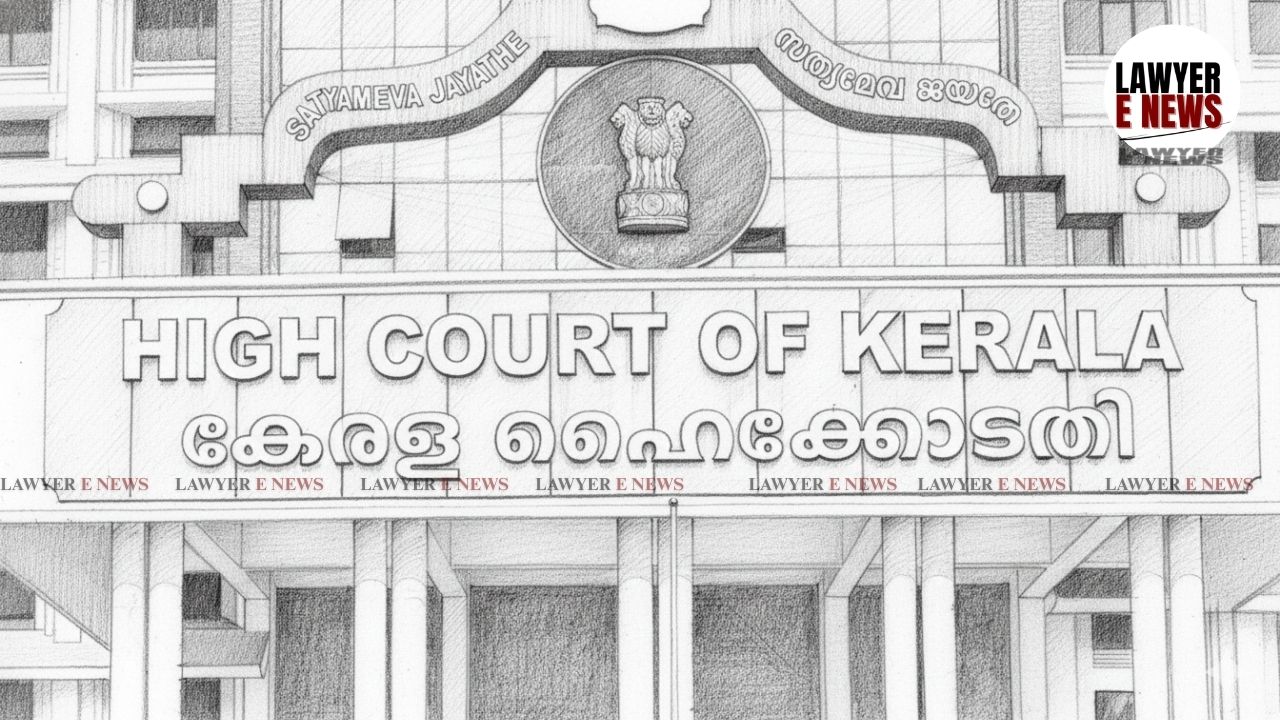
In a recent judgment , the Kerala High Court, presided over by the Hon'ble Mr. Justice Raja Vijayaraghavan V, ruled in favor of allowing the production of an additional document in a narcotics drugs case. The judgment pertains to a criminal miscellaneous case (Crl.M.C. No. 3922 of 2023) involving the second accused, Sundaran.
Sundaran, who is facing charges under Section 20(b)(ii)(C) of the Narcotic Drugs and Psychotropic Substances Act, 1985, had challenged the order of the First Additional Sessions Court, Thrissur, which permitted the prosecution to produce and mark a photocopy of a document related to the search conducted at the premises.
The prosecution, represented by the State of Kerala and the Sub Inspector of Police, Ollur Police Station, sought permission to introduce the document, which disclosed that the accused had been informed of his right to have a Judicial Magistrate or a Gazetted Officer present during the search. However, the document was not initially included with the final report, leading to the prosecution's application under Section 65(c) of the Indian Evidence Act, requesting permission to present a true photocopy of the document as the original had been lost.
The petitioner, through his counsel, objected to the introduction of the document, alleging that it was fabricated and introduced to strengthen the prosecution's case. However, the Sessions Judge rejected the objection, stating that the genuineness of the document could be examined during the trial.
The High Court, while considering the matter, referred to the Supreme Court's decision in Central Bureau of Investigation v. R.S. Pai and another [2002 (5) SCC 82], which clarified that there is no specific prohibition on producing additional documents at a subsequent stage. It further emphasized that if a mistake was made by the investigating officer in not producing a relevant document initially, it could be presented later with the court's permission. The High Court upheld the Sessions Judge's decision, allowing the document to be received on file, subject to the petitioner's objection.
The judgment also addressed the practice of deciding objections during the evidence stage, highlighting the need to modify the archaic practice and adopt a procedure whereby objections are tentatively marked and decided at the last stage in the final judgment. This approach aims to prevent prolonged trials and ensure the steady progress of trial proceedings.
DATE OF DECISION: 24th May 2023
SUNDARAN vs STATE OF KERALA