-
by sayum
04 August 2026 1:39 PM







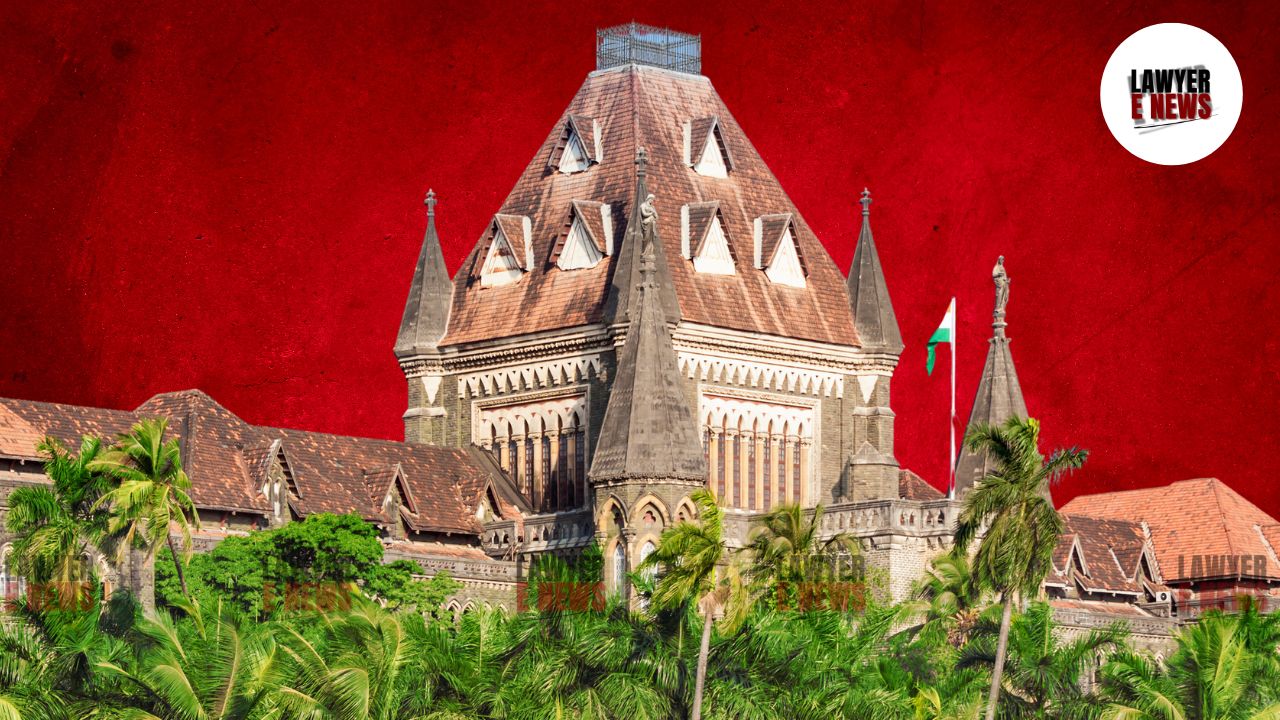
“The Law recognizes in every man a right to have the estimation in which he stands, in the opinion of others, uneffected by false statement to his discredit.” – Bombay High Court granted ad interim relief in favour of Girish Dattatray Mahajan, a sitting Cabinet Minister in the Maharashtra Government, restraining publication and dissemination of six allegedly defamatory videos uploaded on YouTube by Anil Thatte and others. The Court, in Girish Dattatray Mahajan v. Anil Thatte & Ors., observed that the statements made in the videos were prima facie per se defamatory and constituted reckless insinuations devoid of substantiation, warranting urgent injunctive intervention to protect the plaintiff's reputation.
The plaintiff, Girish Dattatray Mahajan, a veteran politician and sitting minister, filed a defamation suit against YouTube personalities Anil Thatte (Defendant No.1) and others for uploading several offending videos. These included titles such as:
“How Girsh Mahajan’s Nights are Colourful”
“Girish Mahajan wants 100 Crores… another sensational revelation”
In these videos, Defendant No.1 made remarks linking the plaintiff to alleged impropriety involving a female IAS officer, and implied the plaintiff had been reprimanded by a senior Union Minister. Despite being served with a cease-and-desist notice dated April 10, 2025, Defendant No.1 continued to publish fresh videos, including one dated April 14, 2025, containing derogatory and sarcastic insinuations even after legal warnings.
The defamatory statements, as per the plaintiff, had no factual basis, were aired widely on social media, and were calculated attempts to malign his public image.
The key issue before the Court was whether publication of such unverified and derogatory content, particularly after a cease-and-desist notice, warranted interim restraint.
Justice Arif S. Doctor was unequivocal in his observations: “The statements made by Defendant No. 1 in the videos… are in my prima facie view per se defamatory. Defendant No.1 despite being served has chosen not to appear today and justify the basis on which the statements and insinuations have been made.”
Quoting from Jagadishkumar Thakkar v. Waahiid Ali Khan, the Court reiterated the foundational principles of defamation law: “Every man possesses an inherent personal right to have his reputation reserved inviolate… Any imputation which may tend to lower the image of a person… is defamatory to him.”
It was emphasized that in the law of defamation: “The burden is on the Defendant to show that the statement is true or the publication was not intentional.”
The Court also acknowledged the wider circulation and impact of these videos in the digital era, noting:“These videos have been widely circulated and viewed by thousands… thereby exacerbating the damage caused to the Plaintiff’s reputation.”
Recognizing the urgency and the nature of reputational harm involved, the Court granted relief in terms of prayer clauses (a) and (c) of the application, which included: “...restraint from in any manner making, publishing or republishing… any defamatory or libellous statements… including on social media platforms such as YouTube, Facebook, Twitter…”
And further directed: “...take down all the six videos which are full of per se defamatory statements and innuendos…”
In addition, Google LLC was added as a defendant to ensure effective enforcement. The Court directed that once the order is uploaded, it must be served upon Google, which is “to act upon it in accordance with law and cooperate in ensuring compliance.”
The Bombay High Court’s order in this case reinforces the inviolability of personal reputation in the face of unregulated digital speech. It underscores that reckless and unsubstantiated public allegations, especially against public figures, are not protected speech when they cause reputational damage without legal basis.
The Court’s ruling preserves not just the plaintiff’s dignity but also upholds a fundamental aspect of the right to privacy and reputation, as recognized by the Supreme Court in S. Puttaswamy v. Union of India:
“Right of privacy is a fundamental right… and the only permitted exception is where there is countervailing public interest.”
Date of Decision: 08 May 2025