-
by sayum
04 August 2026 1:39 PM







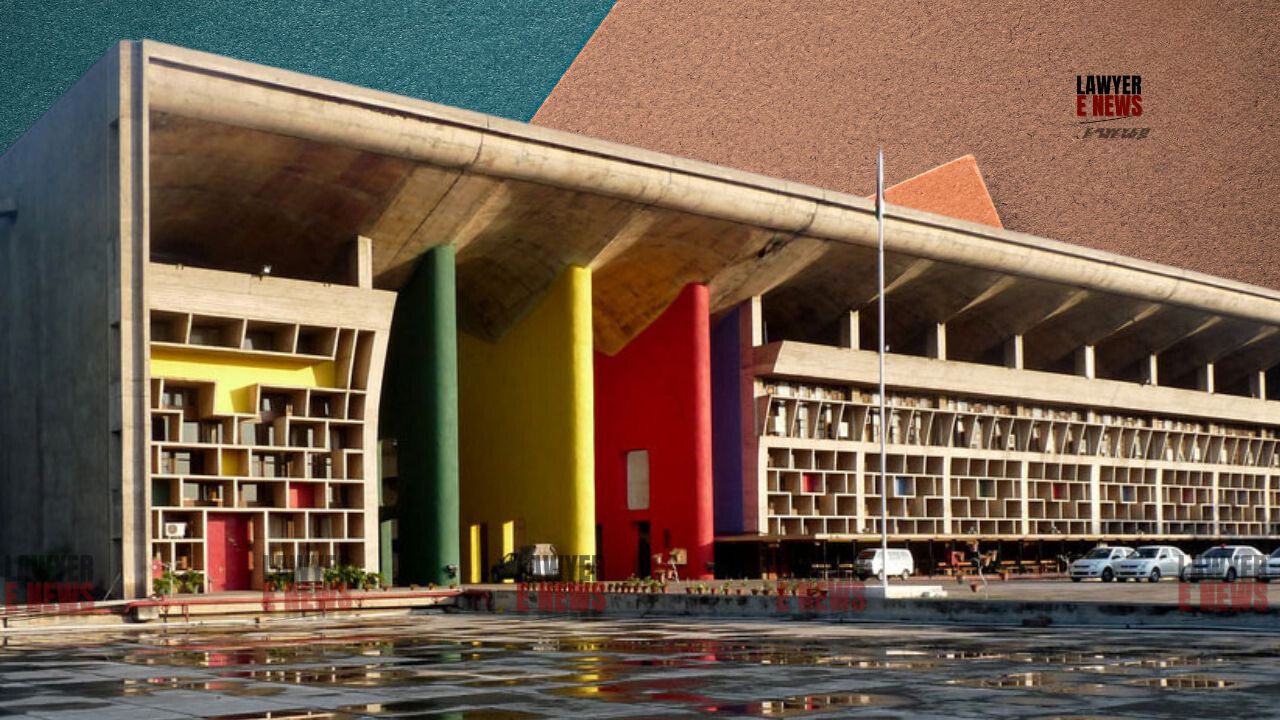
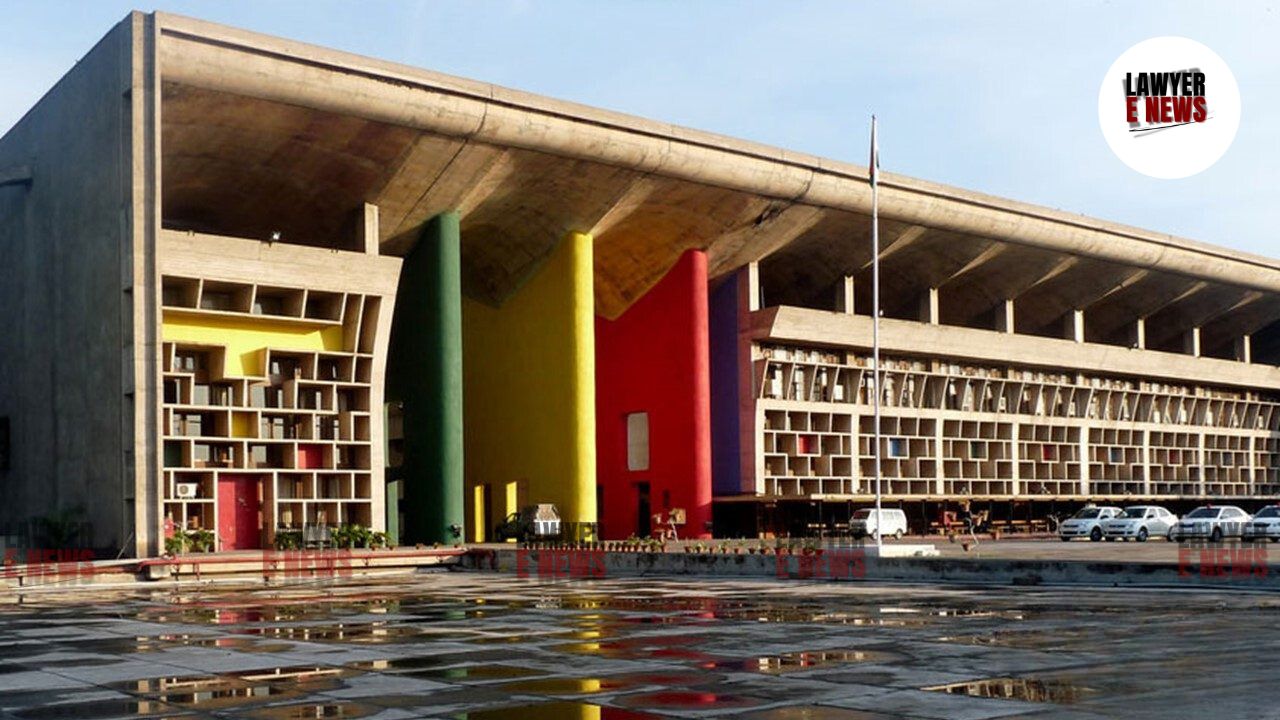
“A person is not only to be compensated for the physical injury, but also for the loss which he suffered as a result of such injury” — Punjab and Haryana High Court at Chandigarh delivered a critical judgment in Jasinderpal Singh v. Gurmeet Singh & Ors., where Justice Sudepti Sharma significantly enhanced the compensation awarded to a motor accident victim, underscoring the legal principle that just compensation must holistically address the victim’s physical suffering, disability, and diminished quality of life.
The Court held that the Tribunal's previous award of ₹2,60,000 was not adequate or reflective of the injuries, permanent disability, and future loss of livelihood suffered by the claimant. Accordingly, the Court enhanced the compensation to ₹11,66,854 with interest at 9% per annum from the date of the claim petition till realization.
Tribunal Erred in Ignoring Impact of Disability on Livelihood and Life Quality
In a motor accident that occurred on December 2, 2001, the appellant Jasinderpal Singh, a 48-year-old dairy farmer, suffered multiple injuries and was later certified to have a 60% permanent disability. He remained hospitalized for nearly a month. However, the Motor Accident Claims Tribunal, Ludhiana awarded only a lump sum compensation of ₹2.6 lakhs, without considering his future prospects or non-pecuniary losses.
Justice Sharma observed: “The learned Tribunal while granting the compensation has not taken into consideration the future of the appellant, consequent to the accident.”
“The Tribunal failed to grant compensation on account of mental loss to the appellant with respect to his work.”
The Court rectified this failure by applying settled legal principles from key Supreme Court precedents.
Compensation Must Reflect Economic Loss, Suffering, and Inability to Enjoy Life
Quoting from the landmark judgment in Raj Kumar v. Ajay Kumar [(2011) 1 SCC 343], the Court reiterated:
“The object of awarding damages is to make good the loss suffered as a result of wrong done as far as money can do so, in a fair, reasonable and equitable manner.”
Justice Sharma stressed that compensation in personal injury cases must include pecuniary as well as non-pecuniary damages:
“A person is not only to be compensated for the physical injury, but also for the loss which he suffered as a result of such injury. This means that he is to be compensated for his inability to lead a full life, his inability to enjoy those normal amenities... and his inability to earn as much as he used to earn or could have earned.”
The Court relied extensively on Raj Kumar, Pranay Sethi [(2017) 16 SCC 680], and Erudhaya Priya [2020 ACJ 2159], to justify enhancement under the following heads:
Loss of future earning capacity (60% disability, minimum wages applied: ₹2,45,700)
Medical expenses: ₹1,21,154
Pain and suffering: ₹3,00,000
Attendant charges: ₹2,00,000
Transportation charges: ₹50,000
Loss of amenities of life: ₹2,00,000
Special diet: ₹50,000
Total compensation: ₹11,66,854
Less amount already awarded: ₹2,60,000
Enhanced amount: ₹9,06,854
Interest and Compliance Directions
Citing Dara Singh @ Dhara Banjara v. Shyam Singh Varma (2019 ACJ 3176) and R. Valli v. TNSTC [(2022) 5 SCC 107], the Court directed that:
“The amount so calculated shall carry an interest @ 9% per annum from the date of filing of the claim petition, till the date of realization.”
The Insurance Company was directed to deposit the enhanced amount within two months, and the Tribunal was asked to ensure disbursement to the claimant’s bank account.
This judgment reinforces the principle that “just compensation” must not be arbitrary or symbolic—it must reflect both the tangible and intangible dimensions of loss. The Court’s intervention restored fairness where the Tribunal had erred by ignoring key aspects of disability and suffering.
Date of Decision: May 2, 2025