-
by sayum
06 October 2026 2:36 PM







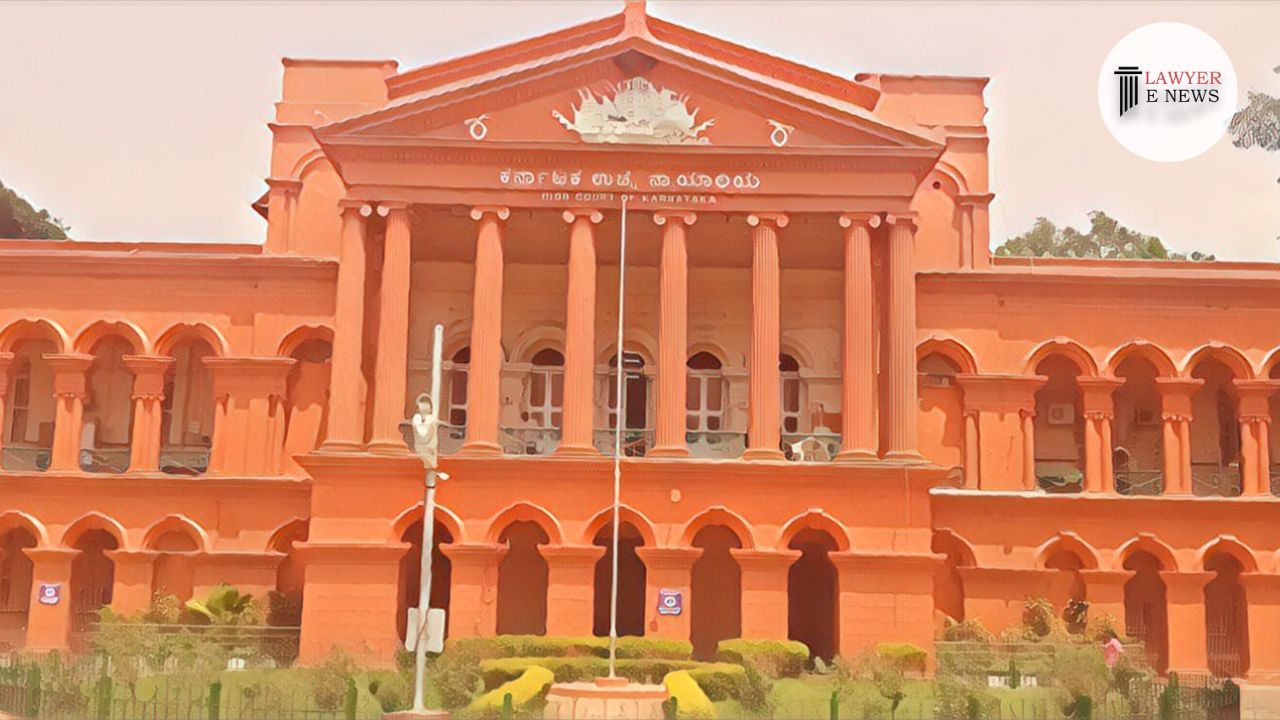
In a significant judgment, the High Court of Karnataka, Dharwad Bench, upheld the widow's right to recover maintenance arrears from her deceased husband's assets, yet set aside the interest awarded on these arrears. This ruling came as a response to a criminal revision petition challenging the appellate court's decision regarding the recovery of arrears of interim maintenance.
Legal Point: The core legal issue revolved around whether a widow is entitled to recover arrears of maintenance from her deceased husband's estate, including service benefits, under the Protection of Women from Domestic Violence Act, 2005, and the Criminal Procedure Code. The High Court upheld this entitlement but overturned the decision to award interest on the arrears.
Background and Issues: The petitioner sought recovery of maintenance amounting to Rs. 7,05,600, with interest, due from 2009 to 2014 as per a maintenance order in a previous case. The trial court dismissed this enforcement against the deceased husband, but the appellate court allowed recovery from his assets, including service benefits. The husband's mother, respondent No.3, contested this, leading to the current revision petition.
Enforcement against Deceased's Estate: The High Court reaffirmed the widow's right to recover maintenance arrears from her late husband's assets, citing the determined maintenance amount as a rightful claim.
Legitimacy of Claim: The court rejected the argument that the maintenance claim was invalid due to a compromise or a closed case, emphasizing that the petitioner never relinquished her right to the arrears.
No Order Against Dead Person: Addressing the respondent's contention, the court clarified that the enforcement was against the deceased's assets, not against him personally.
Interest on Arrears: The court set aside the 12% interest on maintenance arrears awarded by the appellate court. It considered the financial position and circumstances of the elderly mother-in-law, who hadn't received any service benefits, and deemed the interest legally unsustainable.
Final Decision: The High Court partially allowed the revision petition. It confirmed the widow's entitlement to maintenance arrears but set aside the grant of interest on these arrears. The judgment and order of the first appellate court were modified accordingly.
Date of Decision: 2nd April 2024
Smt. Sudhabai vs. Smt. Rashmi V. Rao