-
by sayum
28 August 2026 2:11 PM







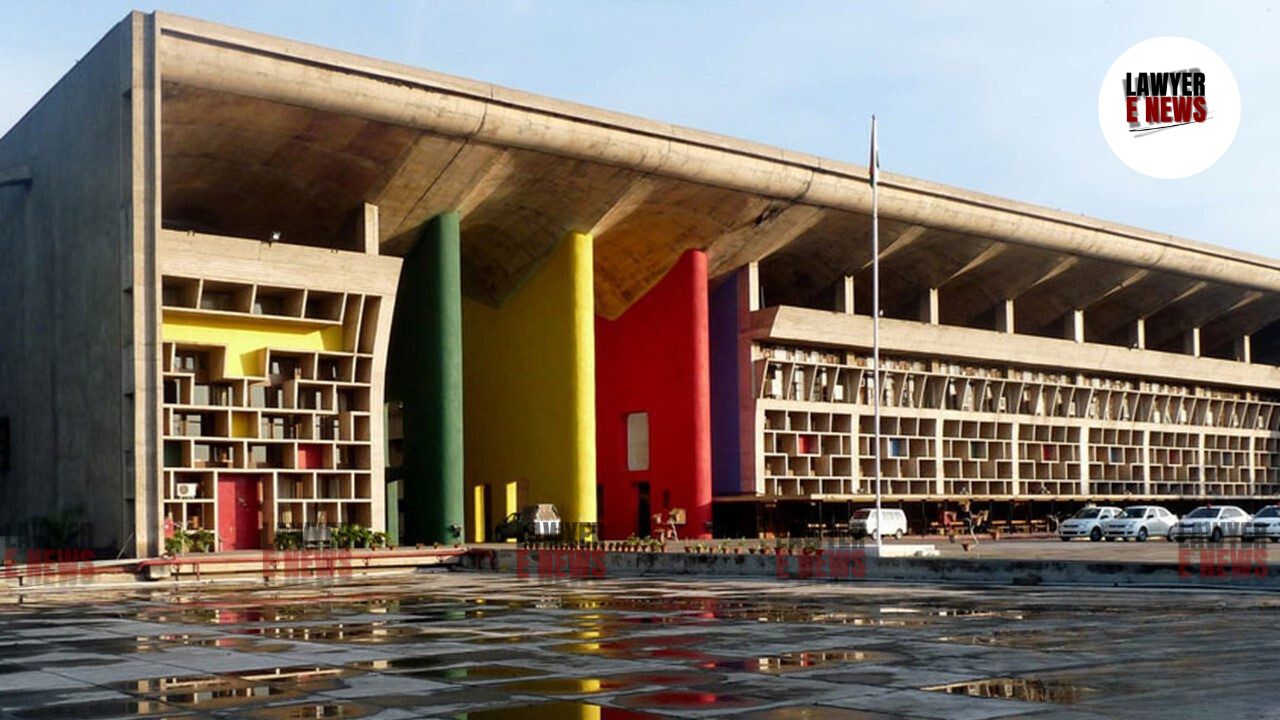
“Refusal to Appoint a Commissioner Stifles Adjudication of the Real Controversy” – Justice Amarinder Singh Grewal Holds That Courts Must Facilitate Physical Verification When Dispute Centers Around Structural Encroachment.
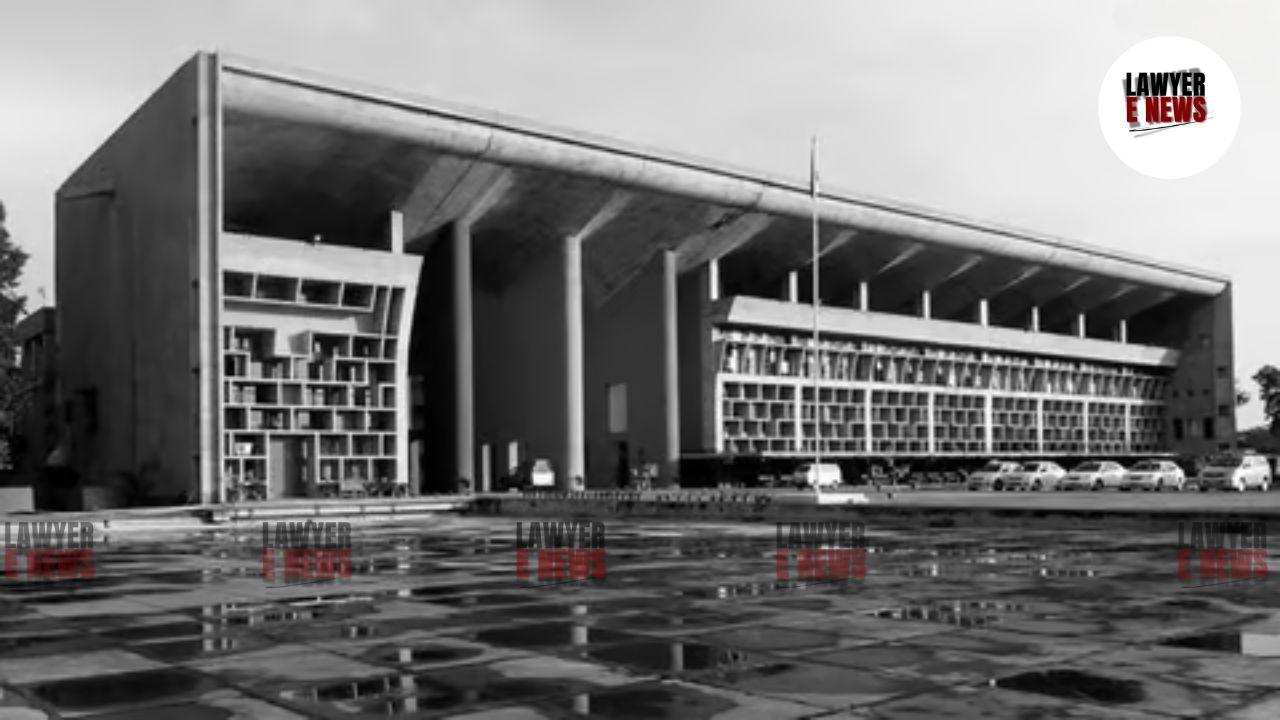
Punjab and Haryana High Court exercised its supervisory jurisdiction under Article 227 of the Constitution of India to overturn a trial court's refusal to appoint a Local Commissioner in a civil suit concerning illegal construction and boundary encroachment. Justice Amarinder Singh Grewal came down heavily on the lower court's mechanical rejection of a crucial procedural tool, declaring:
“Where the dispute pertains to identification, demarcation or actual physical features of the suit property, and no other effective method exists for determination, the Court would be failing in its duty if it declines such appointment.”
The Court set aside the trial court’s order dated 04.07.2024, which had dismissed Bahadur Singh’s application for the appointment of a Technical Engineer as Local Commissioner, and directed the immediate appointment of a Commissioner to inspect the site and report the existing physical condition.
“Commissioner Is Not Meant to Determine Title, Only To Record Facts on the Ground” – High Court Clarifies Judicial Role in Evaluating Technical Reports
The suit filed by Bahadur Singh involved a prayer to restrain the respondent, Balwinder Singh, from raising illegal construction, including a pillar allegedly built on the petitioner’s wall, and from tampering with an electricity meter installed on it. A claim of ₹5,00,000 as unliquidated damages was also made, citing the respondent’s interference with the property.
In the midst of trial, the petitioner moved an application under Order XXVI Rule 9 of the Code of Civil Procedure, 1908, seeking the appointment of a Technical Engineer to demarcate the wall and report the factual condition on site. The trial court rejected this request, reasoning that “no local commission can be appointed to collect evidence for a party” and that parties are expected to lead their own evidence.
Justice Grewal found this reasoning to be contrary to settled law. He clarified that: “The Commissioner is not to opine on possession or title but merely to report the physical condition. The appreciation of the report lies with the court.”
The High Court reiterated that technical inspection is not meant to replace judicial determination, but to assist it by providing an impartial snapshot of the disputed structure, which becomes essential when the real issue is structural and physical in nature, rather than purely documentary or testimonial.
“Justice Demands Tools, Not Technical Denial” – Court Warns Against Rigid Application of Discretion in Procedural Matters
While the High Court acknowledged that the appointment of a Local Commissioner is a discretionary power, it stressed that such discretion must be exercised in service of justice, not used to truncate legitimate avenues of evidence.
Justice Grewal emphatically noted: “Though the appointment of a Local Commissioner is discretionary, such discretion must be exercised to advance the cause of justice.”
He further observed that in cases like this, where the controversy involves the exact location of construction, physical encroachment, and shared boundaries, a site inspection is not merely helpful but essential:
“Refusal to appoint a Local Commissioner has the effect of stifling adjudication of the real controversy.”
The Court emphasized that the trial court, in denying this request, had effectively disabled itself from fully understanding the core factual dispute, thereby undermining the very object of a civil trial.
“Supervisory Jurisdiction Must Be Invoked to Prevent Procedural Injustice” – Article 227 Powers Used to Correct Misguided Trial Court Order
Invoking its constitutional power under Article 227, the High Court underscored its role in ensuring that subordinate courts do not commit errors which defeat the purpose of adjudication. It observed that delaying or denying a technical inspection in such a matter would “entail failure of justice and render the trial a mere paper exercise”.
Justice Grewal reasoned: “For effective adjudication of the dispute, this Court is of the considered opinion that appointment of a Local Commissioner was necessary so that the existing physical position of the suit property could be verified and reported.”
Recognizing the urgency and avoiding procedural delays, the High Court also noted:
“In view of the order proposed to be passed, notice is not being issued to the respondent as it would unnecessarily delay the proceedings and also entail additional expenses.”
“Civil Trials Cannot Be Blind to Bricks and Mortar” – Order Restored to Ensure Factual Foundations of the Dispute Are Judiciously Evaluated
Concluding that the trial court’s order was unsustainable in law and detrimental to the fair determination of the dispute, the High Court allowed the revision petition and ordered:
“The impugned order dated 04.07.2024 is set aside. The learned trial Court is directed to appoint a Local Commissioner, who shall visit the spot and submit a report regarding the existing physical position of the suit property.”
The Court also disposed of all pending miscellaneous applications, making way for early and effective resolution of the underlying dispute based on an accurate understanding of the physical facts on record.
Date of Decision: 30 September 2025