Readiness and Willingness Under Section 16(c) Is Not a Ritualistic Phrase — Plaintiff Must Prove It With Substance, Not Just Words: Karnataka High Court FIR in Disproportionate Assets Case Quashed: Patna High Court Slams SP for 'Non-Application of Mind' and 'Absence of Credible Source Information' Ownership of Vehicle Linked to Commercial Quantity of Heroin – Custodial Interrogation Necessary: Punjab & Haryana High Court Denies Anticipatory Bail under Section 482 BNSS Death Caused by Rash Driving Is Not a Private Dispute — No FIR Quashing on Basis of Compromise in Section 106 BNS Cases: Punjab & Haryana High Court No Bank Can Override Court Orders: Rajasthan High Court Slams Axis Bank for Unauthorized Withdrawal from Court-Ordered FD" Indian Courts Cannot Invalidate Foreign Arbitral Awards Passed Under Foreign Law: Madhya Pradesh High Court Enforces Texas-Based Award Despite Commercial Court’s Contrary Decree Sudden Quarrel over Mound of Earth — Not Murder but Culpable Homicide: Allahabad High Court Eligibility Flows from Birth, Not a Certificate Date: Delhi High Court Strikes Down Rule Fixing Arbitrary Cut-Off for OBC-NCL Certificates in CAPF (AC) Recruitment Bar Under Order II Rule 2 CPC Cannot Be Invoked Where Specific Performance Was Legally Premature Due To Statutory Impediments: P&H High Court Once a Court Declares a Department an Industry Under Section 2(j), State Cannot Raise the Same Objection Again: Gujarat High Court Slams Repetitive Litigation by Irrigation Department “How Could Cheques Issued in 2020 Be Mentioned in a 2019 Contract?”: Delhi High Court Grants Injunction in Forged MOA Case, Slams Prima Facie Fabrication Calling Wife by Her Caste Name in Public Just Before Suicide is Immediate Cause of Self-Immolation: Madras High Court Upholds Husband’s Conviction Under Section 306 IPC Sole Testimony of Prosecutrix, If Credible, Is Enough to Convict: Delhi High Court Upholds Rape Conviction Cheque Issued as Security Still Attracts Section 138 NI Act If Liability Exists on Date of Presentation: Himachal Pradesh High Court No Work No Pay Is Not a Universal Rule: Punjab & Haryana High Court Dock Identification Without Prior TIP Is Absolutely Useless: P&H High Court Upholds Acquittal in Attempt to Murder Case Filing Forged Court Pleadings in Union Government’s Name is Criminal Contempt: Karnataka High Court Sentences Litigant to Jail Execution of Will Proved, But Probate Justly Denied Due to Concealment of Property Sale: Delhi High Court Mere Designation Doesn’t Establish Criminal Liability: Bombay High Court Quashes Proceedings Against ICICI Officials in Octroi Evasion Case Fraud on Power Voids the Order: Supreme Court Quashes FIR Against Karnataka BJP Leader R. Ashoka, Slams Politically Motivated Prosecution Cause of Fire Is Immaterial If Fire Itself Is Insured Peril: Supreme Court Rebukes Insurer’s Repudiation Dragging a Trained Army Officer Up 20 Steps Without Resistance? The Story Lacks Credence: Supreme Court Upholds Acquittal in Army Officer’s Murder Semen Stains Alone Do Not Prove Rape: Supreme Court Acquits Doctor Accused of Rape No Mortgage, No SARFAESI: Supreme Court Rules Against NEDFi, Says Recovery Action in Nagaland Without Security Agreement Was Illegal Parity Cannot Be Denied by Geography: Supreme Court Holds Jharkhand Bound by Patna HC's Judgment, Orders Pay Revision for Industries Officer Once Power Flows Continuously from a Synchronized Turbine, It Is No Longer Infirm: Supreme Court Orders TANGEDCO to Pay Fixed Charges to Penna Electricity

Quashing FIR in Dowry Harassment Case Not Justified Without Thorough Investigation," Rules Kerala High Court

16 January 2025 1:25 PM

By: Deepak Kumar


High Court Emphasizes Necessity of Investigation Despite Petitioner's Plea to Dismiss FIR under Section 482 CrPC
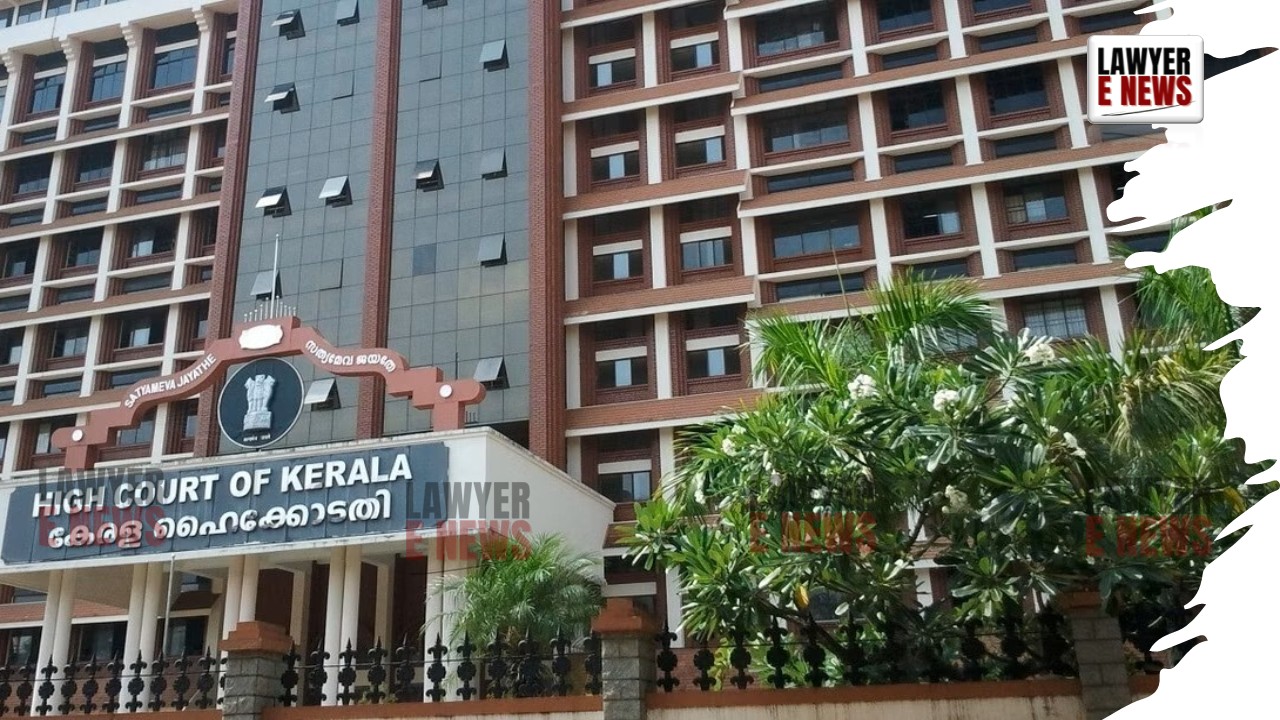
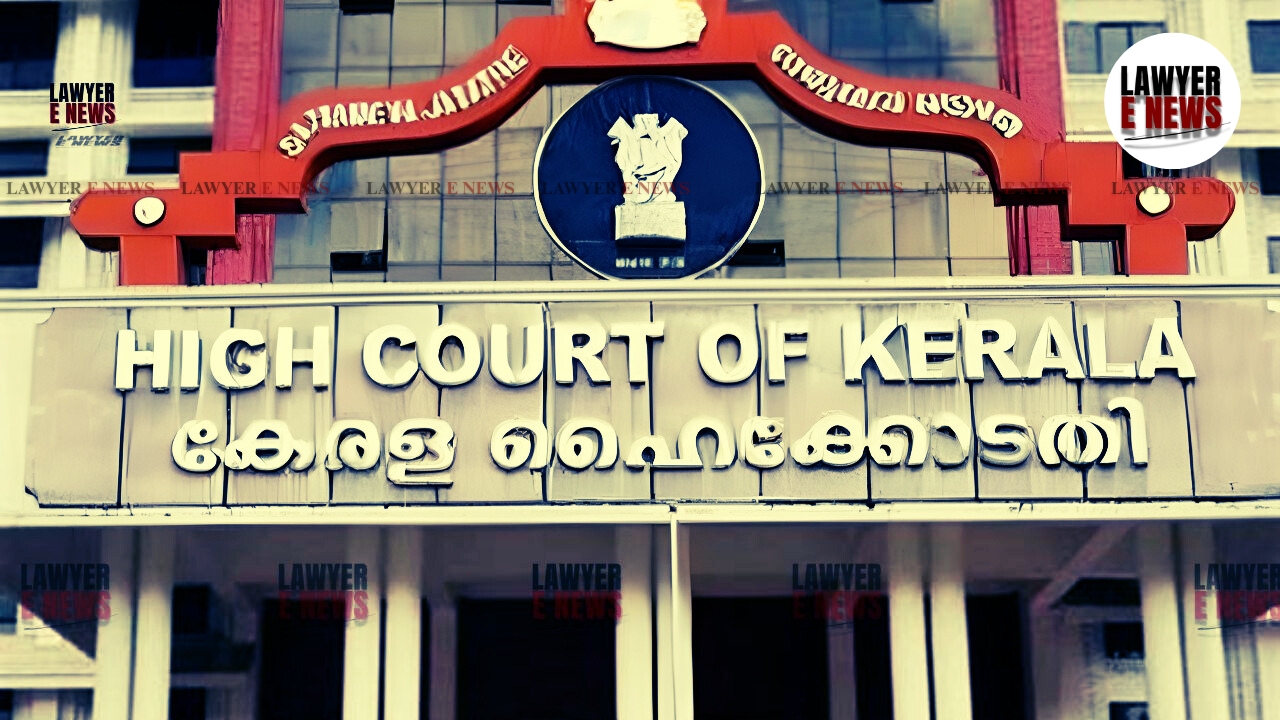
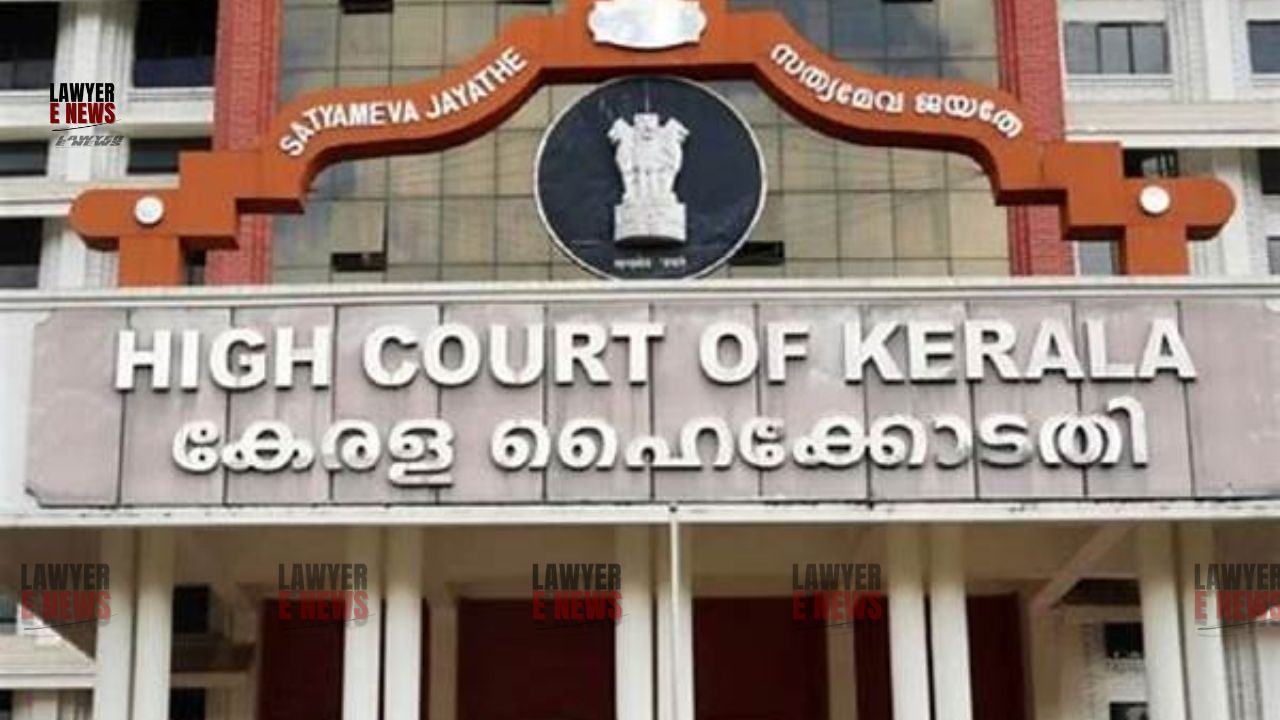
The Kerala High Court has dismissed a petition seeking to quash an FIR filed against Vignesh Kumar Balasundar in a dowry harassment case. The judgment, delivered by Justice A. Badharudeen, emphasizes that the allegations in the complaint prima facie disclose the commission of an offense under Section 498A read with Section 34 of the Indian Penal Code (IPC), necessitating an investigation.
The case revolves around the FIR registered as Crime No. 761/2023 at the Medical College Police Station in Thiruvananthapuram, based on a complaint by Sneha Sunder Rajan. The complaint alleges dowry harassment by Vignesh Kumar Balasundar and his family. The petitioner sought to quash the FIR on the grounds that the complaint did not disclose the essentials required to constitute an offense under Section 498A IPC. The petitioner also highlighted a pending divorce petition filed by the second accused, which allegedly influenced the complaint's filing.
Justice A. Badharudeen, while dismissing the petition, meticulously referenced several landmark judgments to outline the legal principles governing the quashing of FIRs under Section 482 of the Code of Criminal Procedure (CrPC).
The court noted that the complaint contained detailed allegations sufficient to constitute a cognizable offense. "When the FIR read along with the complaint constitutes disclosure of commission of a cognizable offense, quashing the FIR is not legally permissible," the judge stated.
The judgment referred to key Supreme Court decisions, including State of Haryana v. Bhajan Lal, which provides categories where FIRs can be quashed. The court highlighted that the allegations in the present case did not fall under these categories. Specifically, the court cited:
Bhajan Lal Principles: The judgment emphasized that FIRs could be quashed if they do not disclose any offense or if the allegations are absurd and improbable. However, the court found that the current complaint prima facie disclosed the essentials of an offense under Section 498A IPC.
Suresh Kumar Goyal Case: The court underscored the necessity of allowing investigations to proceed when allegations disclose a cognizable offense, stressing that the defense raised by the petitioner could not justify quashing the FIR at this stage.

Neeharika Infrastructure Case: The court reiterated that quashing FIRs should be an exception and emphasized the importance of not interfering with the investigative process unless the allegations do not disclose any offense at all.
Justice A. Badharudeen remarked, "The power under Section 482 CrPC to quash FIRs should be exercised sparingly and only in the rarest of rare cases. Allowing the investigation to continue is crucial to ascertain the truth of the allegations and to ensure justice."
The Kerala High Court's decision underscores the judiciary's commitment to ensuring thorough investigations in cases involving serious allegations such as dowry harassment. By dismissing the petition to quash the FIR, the court has reinforced the legal framework that protects the rights of complainants and ensures that the investigative process is not prematurely curtailed. This judgment is expected to serve as a significant precedent in handling similar cases, highlighting the stringent standards required for quashing FIRs under Section 482 CrPC.


Date of Decision: May 22, 2024

 

Latest Legal News