-
by sayum
25 August 2026 11:12 PM







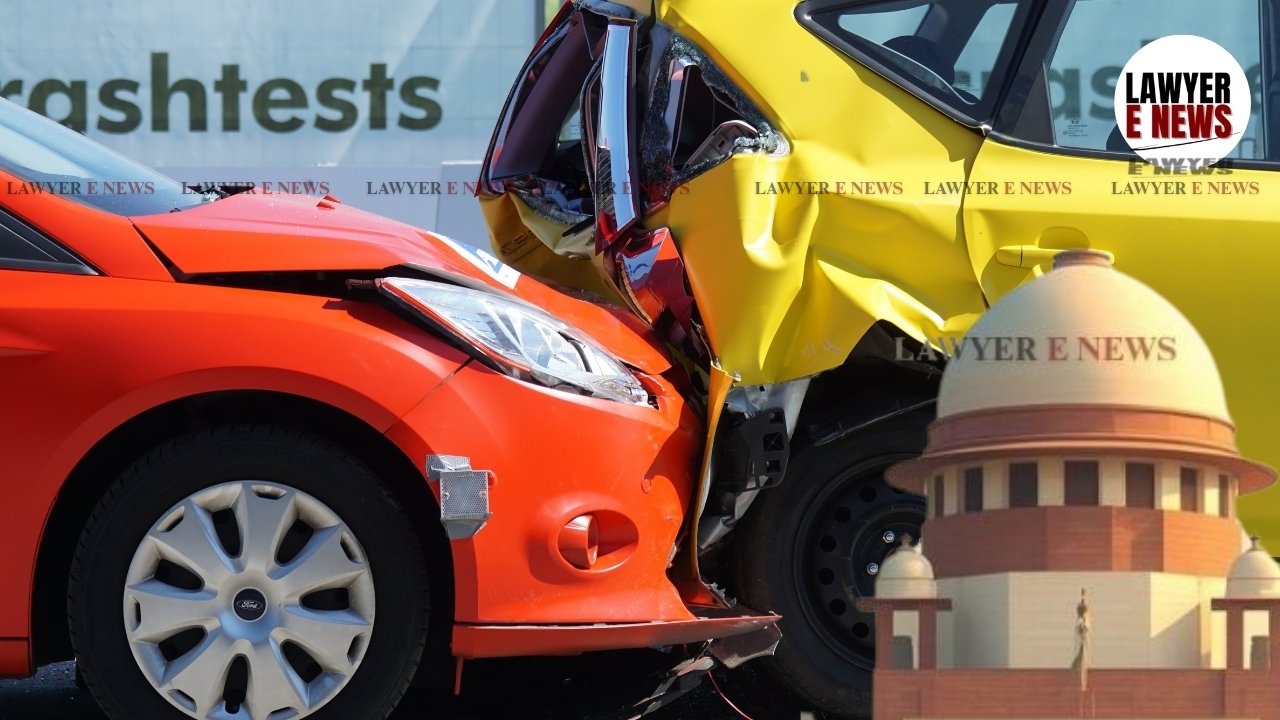
“People stop their trucks and go to the dhabas. And the other vehicles coming on speed collide with them. We have to understand how this can be regulated,” remarked Justice JK Maheshwari while directing NHAI and MoRTH to conduct a detailed survey on dhabas and road conditions. In a suo motu public interest intervention following deadly highway accidents in Rajasthan and Telangana, the Supreme Court of India on November 10, 2025, issued comprehensive directions to the National Highways Authority of India (NHAI) and the Ministry of Road Transport and Highways (MoRTH). The Bench comprising Justice JK Maheshwari and Justice Vijay Bishnoi sought detailed reports on the presence of roadside dhabas and the maintenance standards of national highways, particularly in relation to the stretches where the fatal accidents occurred.
This extraordinary judicial intervention came in the wake of two tragic incidents — the Phalodi accident in Rajasthan, which claimed at least 18 lives, and a similar accident in Telangana, where 19 people perished — both reportedly involving stationary vehicles near unauthorised roadside eateries (dhabas).
“Unauthorised Dhabas Are Contributing to Road Fatalities”: SC Orders Immediate Survey of Highway Eateries
The Bench expressed deep concern over the practice of setting up dhabas on land not notified or permitted for commercial use along highways, leading to vehicles being parked dangerously close to high-speed lanes.
In a strongly worded observation, the Court stated:
“Dhabas have been opened by the general public on areas which are not available for them to open dhabas. In consequence, the vehicles go and park there. The other vehicles are not in a position to see the standing vehicles on the road, colliding with such vehicles.”
To address this situation, the Court ordered:
“A survey be carried out within two weeks to identify how many dhabas are located along the highways on land not notified for such facilities.”
Court Seeks Reports on Road Conditions, Maintenance Norms, and Toll Collection Practices
Apart from focusing on unauthorised dhabas, the Supreme Court also directed the NHAI and MoRTH to submit reports regarding the condition of the roads involved in the accidents and to clarify whether contractors entrusted with highway maintenance are adhering to prescribed norms.
The Court’s concern stemmed from media reports attributing these fatal accidents to poor road infrastructure, despite the existence of toll collection booths, indicating a possible breach of maintenance obligations by contractors.
MHA and Chief Secretaries of Affected States Made Parties to the Case
Recognising the larger implications of these recurring accidents on national highways, the Court ordered that the Ministry of Home Affairs (MHA) be added as a respondent in the suo motu proceedings. It also directed the Chief Secretaries of all States through which the relevant highways pass to be impleaded.
This multi-party involvement reflects the Court’s intent to bring together all stakeholders to ensure the safety and regulation of national highways, particularly in view of increasing fatalities caused by infrastructure lapses and regulatory failures.
“Trucks Parked Outside Dhabas Are a Death Trap on Speed Corridors”: Justice Maheshwari
During the hearing, Justice Maheshwari expressed serious concern about trucks being parked along the edges of highways due to the proximity of eateries, thereby creating high-risk zones on roads meant for fast-moving vehicles.
“People stop their trucks and go to the dhabas. And the other vehicles coming on speed collide with them. We have to understand how this can be regulated,” the judge remarked, highlighting the need for better zoning, traffic planning, and enforcement.
Fatal Accidents Prompt Suo Motu Action
The Bench took cognizance of two high-profile fatal accidents:
The Court noted that despite tolls being collected, road conditions remained poor, and enforcement around roadside commercial activity was evidently lacking.
Conclusion
The Supreme Court's suo motu action brings into sharp focus the unregulated growth of roadside establishments, the failure to enforce zoning laws, and poor highway maintenance, all contributing to rising deaths on Indian roads. The order mandates swift action by central and state authorities, setting a two-week deadline for surveys and demanding accountability from multiple governmental bodies. This intervention may pave the way for stronger regulatory frameworks governing highway infrastructure and road safety in India.
Date of Order: November 10, 2025
Case Title: In Re: Phalodi Accident
Case No.: SMW(C) No. 9/2025