-
by sayum
07 October 2026 2:59 PM







High Court Dismisses Petition Challenging Trial Court’s Order Under Order VII Rule 14 CPC, Emphasizes Diligence and Timeliness
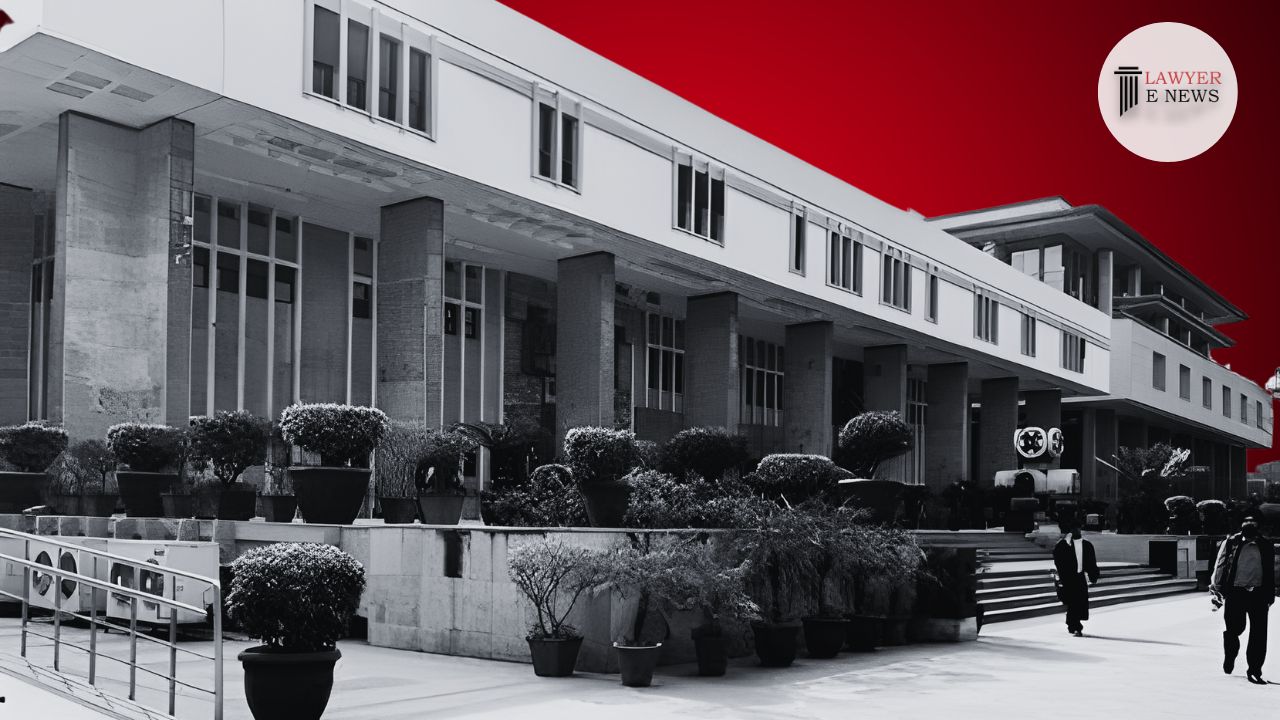
The Delhi High Court has dismissed a petition by Primordial Systems Pvt. Ltd. Challenging a Trial Court’s order that partially allowed an application for placing additional documents on record. The judgment, delivered by Justice Shalinder Kaur, underscores the importance of timeliness and diligence in legal proceedings, and the necessity for reasonable explanations for any delays in filing.
In 2009-10, Primordial Systems Pvt. Ltd. Expanded its business, establishing an education division. Respondent Raman Kumar Chug, proprietor of Hype N Hike Advertising Inc., offered advertising services with a 10-week credit cycle, which the petitioner accepted. Subsequently, disputes arose, leading Primordial Systems to file a suit in 2011 seeking damages of approximately Rs. 70,06,421 against the respondents.
The case, initially filed in the Delhi High Court, was transferred to the Tis Hazari Courts due to a change in pecuniary jurisdiction. The Trial Court closed the petitioner’s evidence in 2018 due to lack of diligent prosecution. In 2019, the petitioner sought to place nine additional documents on record, which was partially allowed by the Trial Court in 2021. Dissatisfied, the petitioner filed a petition in the High Court under Article 227 of the Constitution, 21 months after the Trial Court’s order.
The High Court noted the significant delay in filing the petition, highlighting the absence of a valid explanation for the 21-month delay. Justice Kaur stated, “There is no valid explanation by the petitioner as to why they waited for 21 months to assail the order before this Court, especially when the petitioner accepted the impugned order and filed its affidavit by way of evidence.”
Under Order VII Rule 14 CPC, the Court emphasized the requirement for documents to be produced with the plaint unless leave of the court is obtained. The Court found that the petitioner failed to justify the delay in preparing documents that should have been presented earlier. Justice Kaur remarked, “The reasons cited by the petitioner for having prepared the documents in the year 2019 were totally extraneous to the merits of the case.”
The Court reiterated that the discretion to allow additional documents must be exercised judiciously. The petitioner’s explanation for the delay, citing the transfer of case files and the health of its managing director, was deemed insufficient. “The explanation does not inspire confidence and the petitioner has not been vigilant in either filing the documents before the Trial Court or in challenging the impugned order before this Court,” the judgment noted.
Justice Kaur emphasized the significance of timely filing, stating, “Equally important is the conduct of the petitioner, as after the passing of the impugned order on 25.02.2021, the petitioner filed evidence affidavit on 20.09.2021, clearly showing that the petitioner was not aggrieved with the impugned order and therefore proceeded to the next stage of the case.”
The High Court’s dismissal of the petition underscores the judiciary’s commitment to maintaining procedural discipline and ensuring that litigants act with due diligence. This judgment serves as a reminder of the importance of timely and reasonable actions in legal proceedings, reinforcing the necessity for parties to adhere to procedural requirements.
Date of Decision: June 28, 2024
Primordial Systems Pvt. Ltd. Vs. Raman Kumar Chug & Anr.