-
by sayum
04 October 2026 12:06 PM







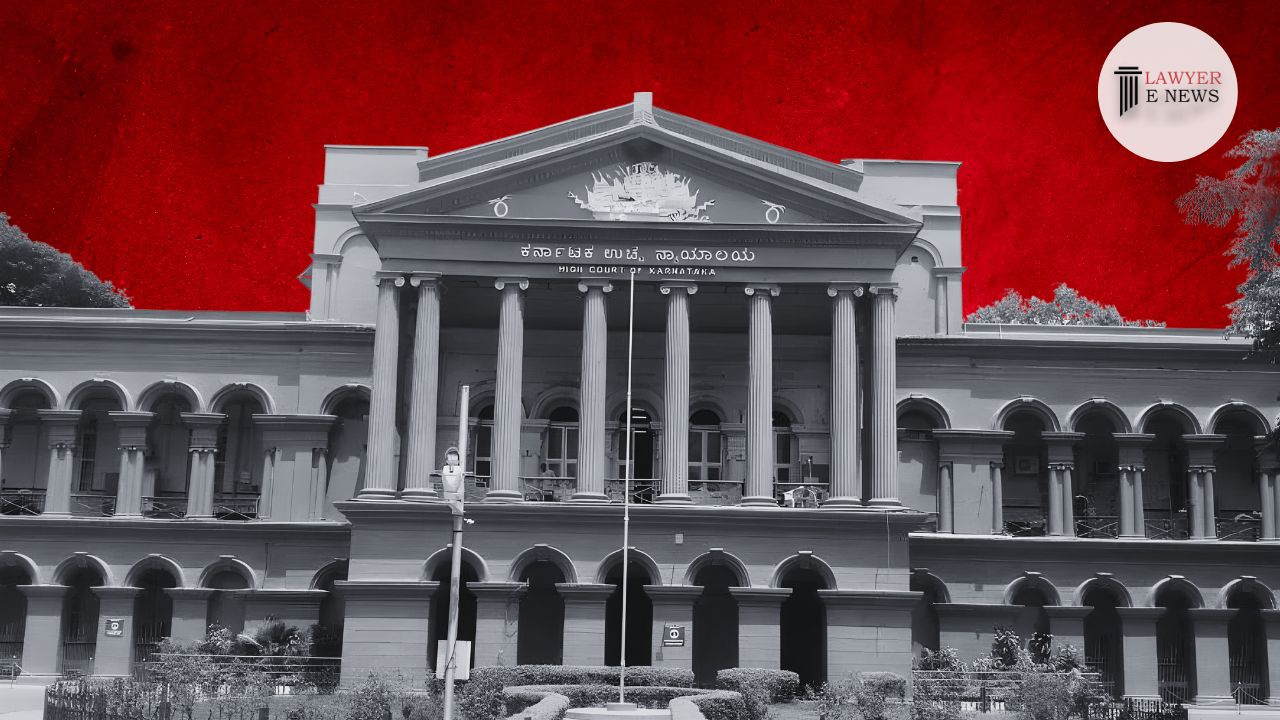
In a significant ruling by the Karnataka High Court, the Hon’ble Mr. Justice Suraj Govindaraj ordered the unlocking of premises and strict compliance with safety measures for the sale of firecrackers in Bengaluru.
The court was hearing a writ petition filed under Articles 226 and 227 of the Constitution of India by firecracker sellers, who faced hurdles in conducting their business due to their premises being locked by authorities. The petitioners, represented by senior counsel Sri. Satish M. Doddamani and advocate Sri. Sagar B.B., argued that despite holding a valid license, their business operations were unjustly hampered.
In his order, Justice Govindaraj emphasized the need for adherence to safety standards, stating, “The petitioners in this petition shall conduct their respective businesses strictly in consonance with the observations made in the inspection report dated 8.11.2023.” This directive came after the Deputy Solicitor General of India, Sri. Shanthi Bhushan, presented an inspection report indicating non-compliance by the petitioners.
Further, the court mandated that any deviations from the safety observations or failure to implement necessary corrective measures would expose the petitioners to the risk of suspension of their business. The Deputy Commissioner was instructed to inspect and take action based on compliance by the petitioners.
Highlighting the need for thorough license verification, the court also ordered that in future, the Deputy Commissioner should sign or e-sign every page of the license. In cases of disputed licenses, forensic verification was directed, with the Chief Secretary instructed to initiate disciplinary action in cases of unauthorized signatures.
The ruling also referenced the precedent set in the case of M/s Cracker Bazaar vs Commissioner of Police and others, guiding the current decision-making process.
This judgement is seen as a crucial step in balancing the rights of businesses to operate within legal frameworks while ensuring public safety and adherence to regulatory standards. The court’s decision to dispose of the writ petition with specific directions underscores its commitment to upholding legal procedures and safety norms in commercial activities.
With specific directions underscores its commitment to upholding legal procedures and safety norms in commercial activities.
Date of Decision: 10 November, 2023
SMT. SWETHA .M VS THE STATE OF KARNATAKA