-
by sayum
19 October 2026 11:08 AM







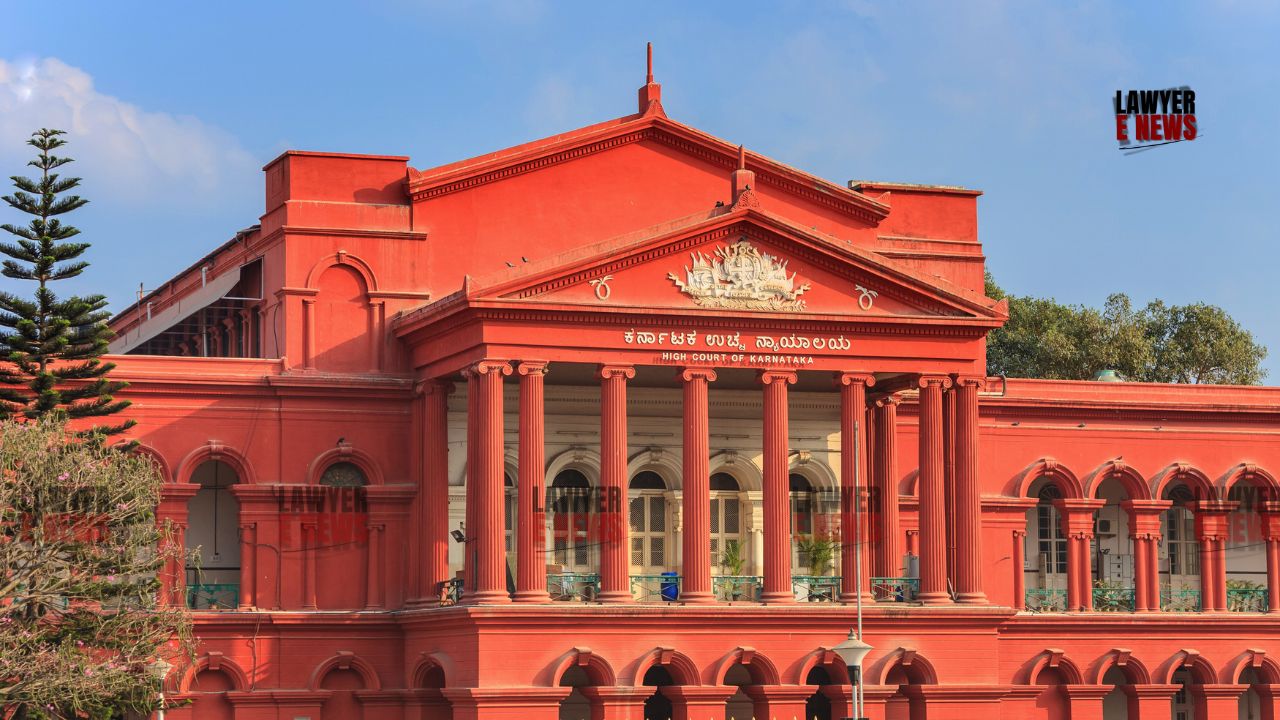
Andhra Pradesh High Court, in an order passed on October 15, 2026, held that an affiliating university is duty-bound to consider and dispose of an educational institution's explanation to a show-cause notice expeditiously, mandating that such orders should preferably be passed before the commencement of admission counselling phases. While adjudicating a writ petition filed by a law college seeking affiliation for the academic year 2026-27, a Single Bench of Justice Harinath.N directed Dr. B.R. Ambedkar University to pass reasoned orders on the college's compliance reply prior to the commencement of the second phase of AP LAWCET web-counselling.
The petitioner, Sri Jagannadhaswamy Educational Society, runs M.P.R. Law College imparting three-year and five-year LL.B. courses in Srikakulam. Following an inspection conducted in May 2026, the respondent university issued a show-cause notice dated August 11, 2026, to which the institution submitted its compliance reply on August 25, 2026. Apprehending exclusion from student seat allotment after the conclusion of the first counselling phase, the society approached the High Court under Article 226 of the Constitution of India seeking a writ of mandamus against the university's inaction.
The primary legal issue before the High Court was whether the university was obligated to determine the petitioner institution's affiliation status within a reasonable timeframe, particularly before the conclusion of admission counselling stages, so as not to prejudice the institution's entitlement to admit students.
University Inaction Jeopardises Student Admissions In Law Colleges
The petitioner submitted before the court that despite conducting an inspection of the law college as early as May 2026, the university took over three months to issue a show-cause notice. It was contended that although a comprehensive reply and compliance report were tendered on August 25, 2026, the respondent university failed to adjudicate upon the explanation or pass any formal orders regarding the grant of affiliation.
The counsel for the petitioner highlighted that the first phase of AP LAWCET counselling had already concluded, and the second phase was tentatively scheduled for the third week of October 2026. The petitioner expressed grave apprehension that any further administrative delay by the affiliating university beyond the scheduled web-counselling window would irreversibly deprive the institution of admitting students to its three-year and five-year LL.B. programmes for the academic year 2026-27.
Affiliating Authorities Bound To Act In A Time-Bound Manner
During the hearing, the Standing Counsel appearing on behalf of Dr. B.R. Ambedkar University submitted that the competent authority would pass appropriate orders on the explanation submitted by the institution within three weeks. The High Court, however, factored in the imminent admission schedule and the prejudice caused to educational institutions when affiliation decisions remain in limbo during active counselling rounds.
The court took note of the timeline and directed the university authorities to ensure that administrative decision-making syncs with the statutory admission schedules. Observing that administrative lethargy should not derail academic sessions, the bench disposed of the writ petition with a specific timeline directed at the respondent university.
Pass Appropriate Orders Expeditiously Prior To Web-Counselling
Justice Harinath.N concluded that the ends of justice would be met by directing the respondent university to take a final call on the compliance report without any further postponement. The court accordingly directed the university to adjudicate the reply submitted by the petitioner society and pass reasoned orders expeditiously, preferably prior to the commencement of the second phase of the web-counselling process.
The High Court's directive reinforces the settled administrative law principle that affiliating universities must exercise their regulatory oversight within strict timeframes aligned with academic calendars, ensuring that arbitrary delays do not frustrate the statutory admission rights of educational institutions and prospective candidates. The writ petition was accordingly disposed of without any order as to costs, and all pending interlocutory applications were closed.
Date of Decision: 15 October 2026