-
by kapil
16 October 2026 4:47 PM







"The process of obtaining sanction is a separate process and any delay in obtaining sanction for prosecution shall not invalidate the final report." Supreme Court, in a significant ruling dated September 21, 2026, held that an investigating agency is not precluded from filing a charge sheet within the statutory period merely because the sanction for prosecution under Section 45 of the UAPA is pending.
A bench comprising Justice Prashant Kumar Mishra and Justice Shree Chandrashekhar observed that the right to default bail under the first proviso to Section 167(2) CrPC is contingent upon the failure to complete the investigation and file the final report within the stipulated time, noting that "taking cognizance is entirely different from completing the investigation."
Court Rejects High Court's View
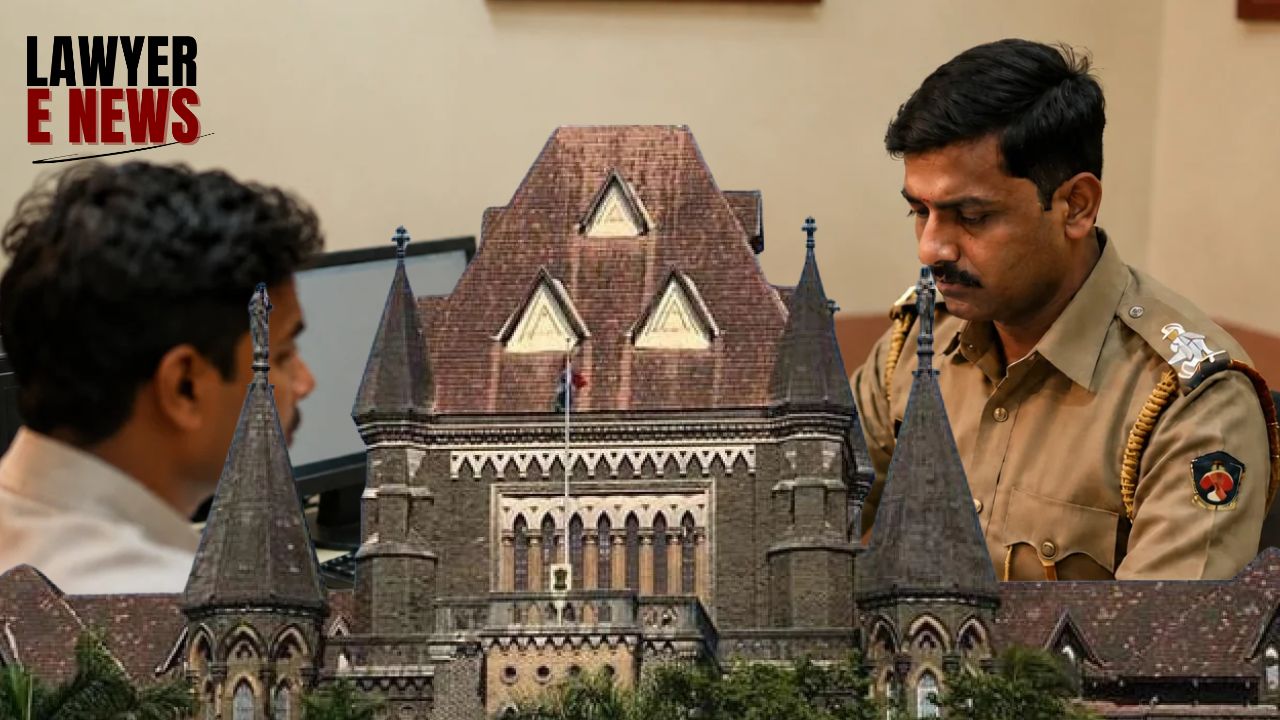
The appellant, State of Maharashtra, had challenged a Bombay High Court judgment which held that the respondents were entitled to default bail because the prosecution had sought an extension of time solely to obtain sanction, which the High Court deemed impermissible. The High Court had interpreted certain statements in the prosecution's application to mean that the investigation was already complete, thereby rendering the extension invalid.
Investigation Versus Cognizance
The Supreme Court clarified that the High Court erred in concluding that the investigation was complete based on a solitary statement in the application. The bench emphasized that the investigation of a crime is the exclusive domain of the police, and courts should not interfere with the agency's discretion to determine the course and extent of the investigation.
Scope Of Judicial Intervention
The bench observed that the embargo under Section 196 CrPC and Section 45 of the UAPA relates specifically to the court taking cognizance, not to the filing of the police report. The Supreme Court underscored that a charge sheet is a "final report" within the meaning of Section 173(2) CrPC, and its filing signifies the completion of the investigation for the purposes of default bail.
Sanction Is A Separate Process
"It is not the jurisdiction of the Court to decide when the investigation in a case should stop." The court further elaborated that the sanctioning authority performs an independent review of evidence, a process entirely distinct from the investigating officer’s duties. The court noted that "the sanctioning Authority may refuse sanction for prosecution if it thinks that the materials on record are not sufficient," reinforcing that this administrative requirement cannot be equated with the procedural failure to file a charge sheet.
"The reason accepted in the impugned order to grant an extension of time to file the charge sheet is only for awaiting sanction, which cannot be termed legal and valid."
Default Bail Under UAPA
The court reiterated that the right to default bail is a facet of Article 21 of the Constitution but clarified that it does not accrue when the final report is filed within the extended period allowed under Section 43D of the UAPA. The bench relied on precedents such as Judgebir Singh v. National Investigation Agency and Suresh Kumar Bhikamchand Jain v. State of Maharashtra to affirm that filing the report constitutes sufficient compliance.
Court Sets Aside High Court Order
Consequently, the Supreme Court allowed the appeal, setting aside the High Court's judgment and upholding the Special Judge’s order that granted the extension of time. The respondents' application for default bail was dismissed, and the court directed the respondent No. 1 to surrender within thirty days, noting they may pursue regular bail on merits if so advised.
Date of Decision: 21 September 2026