-
by kapil
16 October 2026 4:47 PM







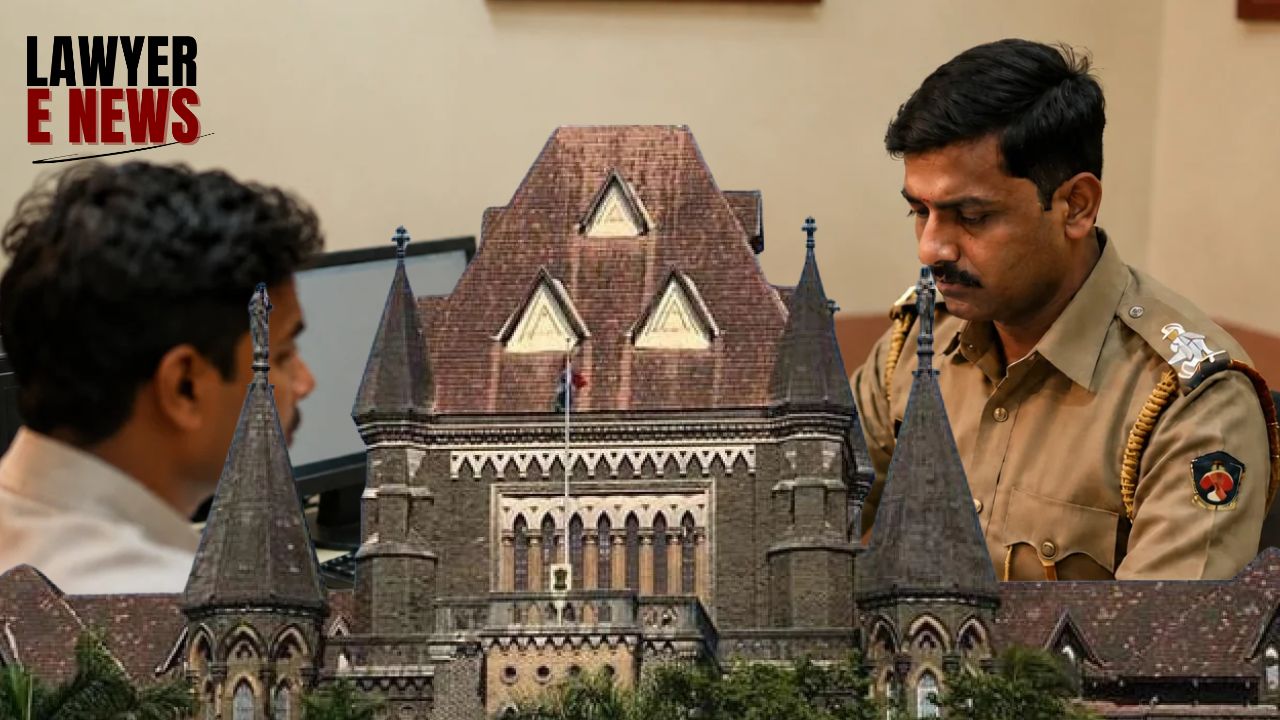
"The object of the proceedings under Section 174 is merely to ascertain whether a person has died under suspicious circumstances or an unnatural death and if so what is the apparent cause of the death. The question regarding the details as to how the deceased was assaulted or who assaulted him or under what circumstances he was assaulted appears to us to be foreign to the ambit and scope of the proceedings under Section 174." Bombay High Court, in a significant ruling, held that police inquiries conducted under Section 174 of the CrPC (analogous to Section 194 of the BNSS) are limited to ascertaining the apparent cause of death and cannot be treated as a substitute for a substantive investigation into a cognizable offence.
A division bench comprising Justices Sarang V. Kotwal and Ranjitsinha Raja Bhonsale observed that when suspicious circumstances point towards potential foul play, the mandatory legal recourse is the registration of an FIR under Section 154 of the CrPC (Section 173 of the BNSS).
The petition was filed by a father seeking a CBI investigation into the death of his daughter, which occurred in June 2020. The local police had concluded the matter as a suicide after conducting an inquest report under Section 174 of the CrPC. Despite the father’s persistent allegations of murder and the existence of various discrepancies in the police reports, no FIR was registered, and the matter remained in a state of suspended inquiry for over six years.
The court was primarily tasked with determining whether the investigation conducted under Section 174 of the CrPC was legally sufficient to close the case, and whether the petitioner could be relegated to the Magistrate’s court for further investigation, or if the case warranted a transfer to the CBI due to the inadequacy of the state police investigation.
Limited Scope of Section 174 CrPC
The court reiterated that proceedings under Section 174 are strictly meant to determine the "apparent cause of death." Relying on the principles laid down by the Supreme Court in Pedda Narayana v. State of Andhra Pradesh, the bench clarified that this provision is not an instrument for conducting a full-scale criminal investigation. Any attempt to bypass the registration of an FIR while investigating a potentially homicidal death renders the entire process legally infirm and inadequate.
Glaring Discrepancies in Investigation
The bench pointed to several inconsistencies in the police records, including the delayed preparation of the spot panchnama, the unexplained presence of police officers at the scene hours before the official ADR registration, and discrepancies in forensic analysis regarding DNA samples. The court noted that these circumstances "raised more questions than they answered," making a formal investigation by an independent agency necessary to ensure the integrity of the process.
No Need for Relegation to Magistrate
While the State argued that the petitioner should approach the Magistrate under Section 175 of the BNSS, the High Court rejected this, noting that such a course of action would be ineffective given the six-year delay and the lack of comprehensive inquiry by local authorities. The court emphasized that the Magistrate lacks the jurisdiction to direct a CBI investigation, which was the specific relief required in this case.
Need for CBI Intervention
The court held that to maintain public confidence and ensure an impartial probe, the investigation must be handled by the Central Bureau of Investigation. The bench clarified that it was not expressing a definitive opinion on the merits of the allegations but was providing the necessary legal impetus for a thorough, transparent, and legally compliant investigation.
The High Court directed the CBI to appoint a senior officer to take charge of the case, record the FIR, and investigate all aspects of the incident. Significantly, the court protected the petitioner’s rights by ordering that should the CBI file a summary report concluding that no offence was made out, the petitioner would have the absolute right to file a Protest Petition before the competent court.
Date of Decision: 02 September 2026