-
by sayum
19 October 2026 11:08 AM







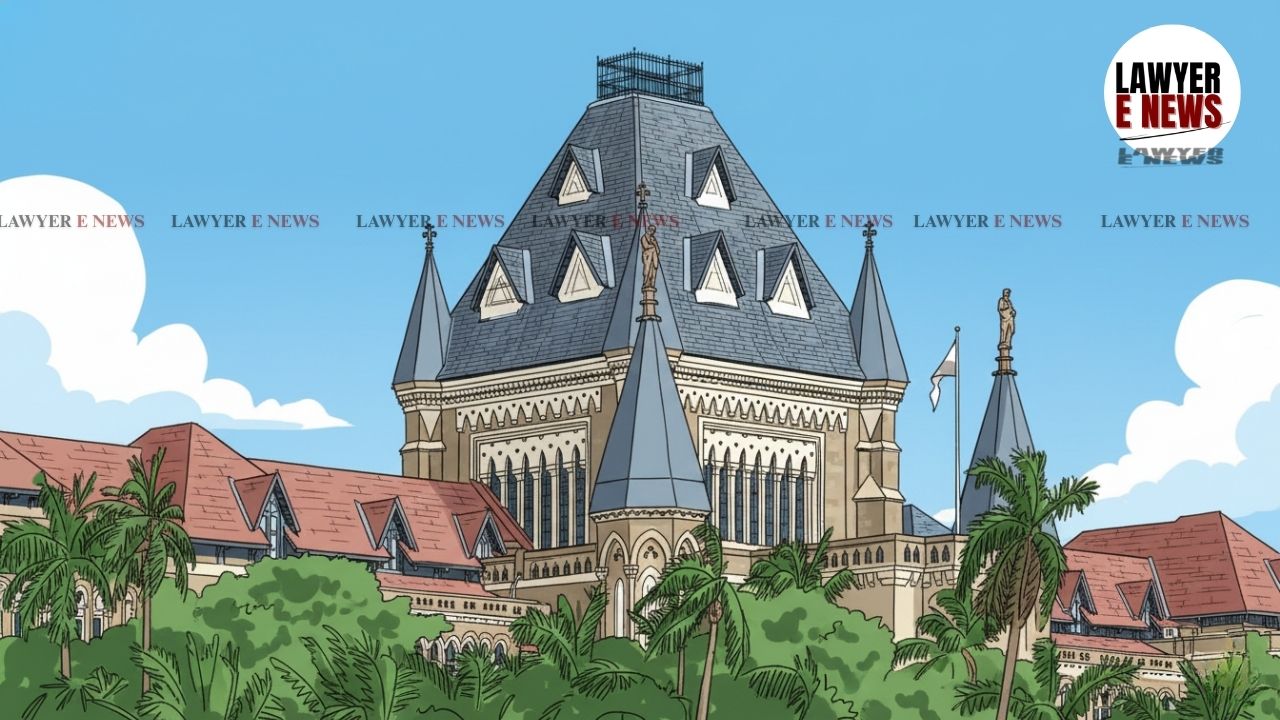
"This is a very serious case where an Advocate, who is representing the party and who is the Officer of the Court, has been pressurised to withdraw his appearance from those proceedings and that, when he refused to do so, he was assaulted." Bombay High Court, in a significant ruling, held that pressurising and physically assaulting an advocate to force them to withdraw their appearance from judicial proceedings disentitles an accused to pre-arrest bail under Section 482 of the Bharatiya Nagarik Suraksha Sanhita, 2023 (BNSS).
While rejecting the anticipatory bail plea of an accused implicated in orchestrating a violent attack on an advocate in his office, a single bench of Justice Madhav J. Jamdar observed that "this case shows that there is urgent need of enacting comprehensive legislation to provide adequate protection to Advocates, who are the Officers of the Court."
The first informant, an advocate representing a party in pending civil and criminal disputes against the applicant's family, was allegedly pressured by the applicant to withdraw his legal representation. Upon the advocate's refusal, three assailants barged into his private office on July 2, 2025, vandalised office equipment, issued death threats, and assaulted the advocate and his client with a sharp weapon. The applicant approached the High Court seeking pre-arrest bail under Section 482 BNSS after being implicated during the investigation into CR No. 229 of 2025 registered at Adgaon Police Station, Nashik, for offences under Sections 109, 333, 351(3), and 352 read with Section 3(5) of the Bharatiya Nyaya Sanhita, 2023 (BNS).
The primary question before the court was whether the applicant was entitled to pre-arrest bail under Section 482 BNSS when independent witness material in the charge-sheet prima facie established that he orchestrated threats and assault against a practicing advocate to force withdrawal from legal representation. The court was also called upon to consider whether the lack of necessity for custodial interrogation could by itself justify the grant of anticipatory bail.
Prima Facie Implication Established Through Independent Witness
The applicant contended that he was not named in the initial First Information Report (FIR), was absent from the scene of the crime, and was roped in solely on the basis of a co-accused's confession, which is inadmissible under the Supreme Court's ruling in P. Krishna Mohan Reddy v. State of Andhra Pradesh. Rejecting this stance, the bench perused the charge-sheet and pointed out that the prosecution had relied on the direct statement of an independent intermediary, Bhalchandra Bhaskar Kahandal.
The court noted that the applicant had specifically conveyed messages through the intermediary demanding that the advocate "withdraw his appearance from all our cases as soon as possible." When the advocate refused and insisted that he was merely executing his professional duty, the violent attack followed at his office. The bench underscored that this statement in the charge-sheet directly established the applicant’s complicity in the assault and intimidation.
Assault On Advocate Strikes At Administration Of Justice
Justice Jamdar took grave exception to litigants targeting legal practitioners to derail judicial proceedings. The court observed that an advocate acts as an indispensable officer of the court and cannot be subjected to physical violence or coercion for representing their clients in court.
The bench emphasized the acute vulnerability faced by practicing lawyers and reiterated that terrorising counsel to force abandonment of briefs is an assault on the legal process itself. Calling for statutory safeguards, the bench underscored:
"This is a very serious case where, an Advocate, who is representing a party, was not only pressurized to withdraw his appearance but he has been assaulted. In fact, this case shows that there is urgent need of enacting comprehensive legislation to provide adequate protection to Advocates, who are the Officers of the Court."
Lack Of Need For Custodial Interrogation Not Sole Ground For Pre-Arrest Bail
Addressing the scope of pre-arrest bail, the High Court relied extensively on the Supreme Court's authoritative pronouncement in X v. Arun Kumar C.K. to reiterate that custodial interrogation is not the solitary parameter for granting or refusing relief under anticipatory bail provisions.
The court reiterated that there is a serious misconception of law that the absence of a need for custodial interrogation automatically mandates the grant of pre-arrest bail. The nature and gravity of the offence, the severity of the punishment, and above all, the existence of a prima facie case must precede all other considerations.
Quoting the Supreme Court's binding observations, the bench observed:
"There may be many cases in which the custodial interrogation of the accused may not be required, but that does not mean that the prima facie case against the accused should be ignored or overlooked and he should be granted anticipatory bail. The first and foremost thing that the court hearing an anticipatory bail application should consider is the prima facie case put up against the accused. Thereafter, the nature of the offence should be looked into along with the severity of the punishment."
Applying these settled legal tests, the High Court held that the statement on record prima facie demonstrated the applicant’s direct role in the serious crime of threatening and assaulting an officer of the court. Consequently, the court found no merit in extending discretionary protection to the applicant.
The High Court dismissed the anticipatory bail application, concluding that no case was made out for the grant of pre-arrest relief given the gravity of intimidating and physically attacking an advocate to disrupt legal representation. The judgment reinforces that prima facie involvement in targeting legal professionals constitutes a disentitling circumstance for equitable pre-arrest relief under Section 482 BNSS.
Date of Decision: 13 October 2026