-
by sayum
26 August 2026 10:38 AM







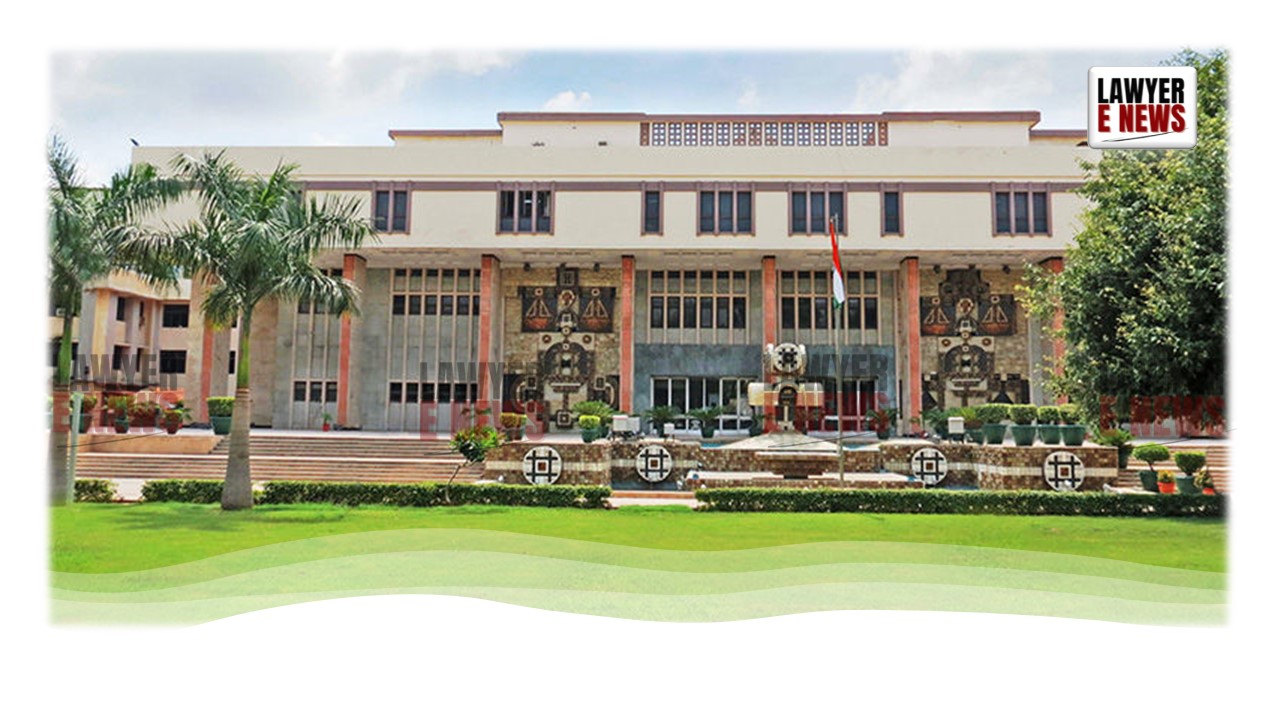
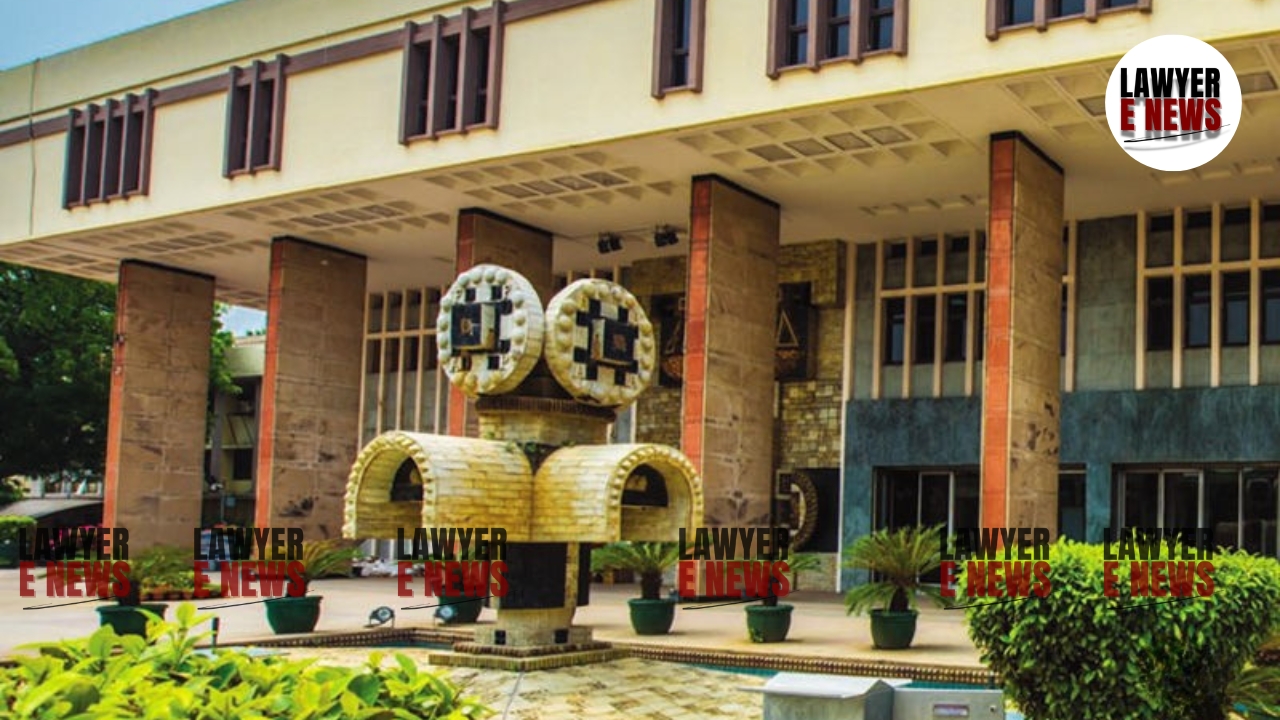
Delhi High Court in BSES Rajdhani Power Ltd. v. D.P. Sharma (LPA 221/2020) overturned disciplinary penalties imposed on a former employee, D.P. Sharma, who had voluntarily retired under the Special Voluntary Retirement Scheme (SVRS). The Court ruled that the punishment imposed before his retirement could not be revisited, as the retirement package constituted a final settlement of all claims, barring further financial benefits.
D.P. Sharma, a former Meter Reader for the Delhi Electric Supply Undertaking (DESU), was charged with misconduct in 1990. Following an inquiry that exonerated him, the Disciplinary Authority disagreed with the findings and imposed a penalty of a pay reduction in 1998. Sharma retired under the SVRS in 2003, but subsequent show-cause notices issued years later reaffirmed the original punishment. Sharma challenged these notices in court, leading to the quashing of the penalties in 2013. BSES Rajdhani Power Ltd., which had taken over DESU, appealed this decision.
The High Court focused on whether Sharma, having retired under the SVRS, could challenge the disciplinary actions imposed before his retirement. The company argued that by accepting the SVRS package, Sharma forfeited all claims for financial adjustments, including revisiting the imposed penalties.
The Court agreed, citing the Supreme Court's judgment in A.K. Bindal v. Union of India, which established that employees accepting voluntary retirement under such schemes cannot seek to alter the terms post-retirement. The Court emphasized that SVRS was a "package deal" and Sharma’s acceptance of the reduced salary at the time of retirement precluded any further claims.
Justice C. Hari Shankar ruled that Sharma's salary at the time of retirement was based on the penalty-imposed pay scale, and revisiting the disciplinary actions would disrupt the final settlement of the SVRS. The Court noted:
"Once the employee opts for a voluntary retirement scheme and accepts the associated financial benefits, the relationship between employer and employee is conclusively severed, barring any post-retirement claims for adjustments."
The Delhi High Court set aside the earlier judgment that had quashed Sharma's penalties and ruled that the voluntary retirement under SVRS finalized all claims. Sharma could not challenge the pay reduction imposed before his retirement.
Date of Decision: October 4, 2024
BSES Rajdhani Power Ltd. v. D.P. Sharma