
-
by sayum
20 October 2026 1:07 PM







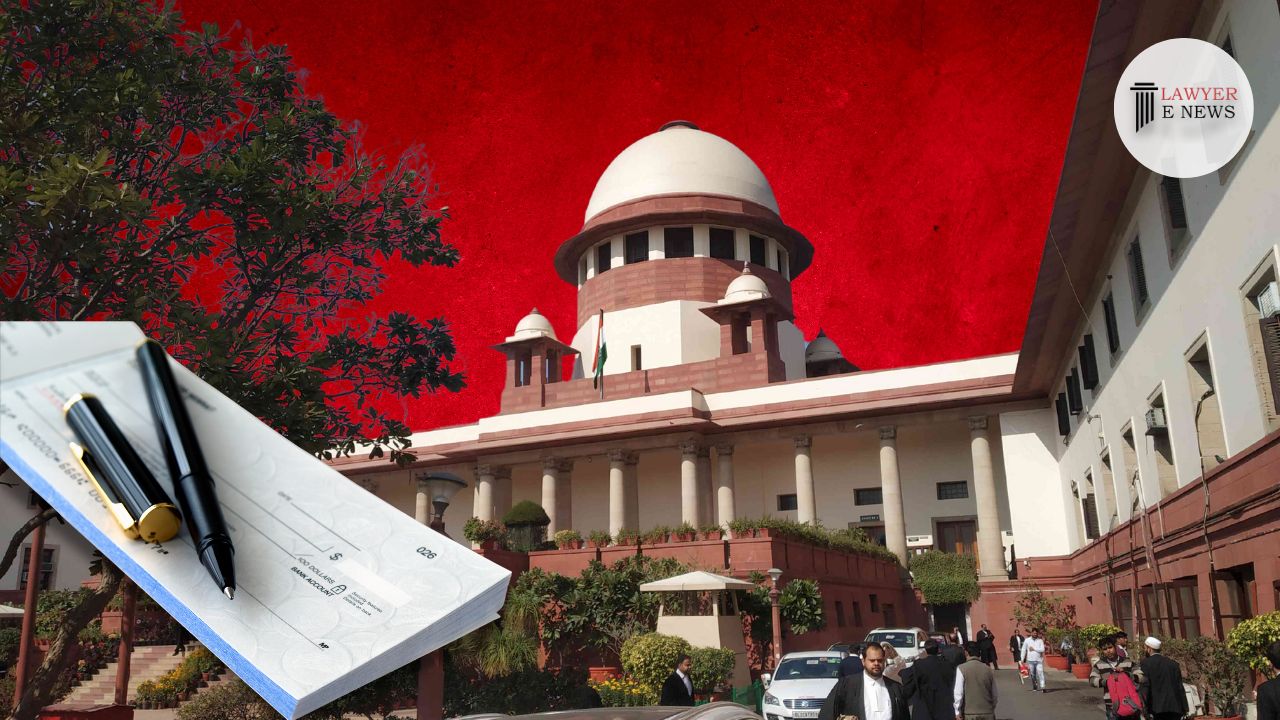
In a significant ruling, the Supreme Court of India, comprising of Justices Hima Kohli and Rajesh Bindal, overturned a High Court order and restored criminal complaints against a partner in a cheque bounce case. The judgment, delivered on August 23, 2023, sheds light on the liability of partners in a partnership firm for dishonored cheques and the timing of retirement announcements in such cases.
The case, titled *Riya Bawri vs. Mark Alexander Davidson & Others*, arose from a series of criminal complaints filed under Section 138 of the Negotiable Instruments Act (NI Act) and various sections of the Indian Penal Code (IPC). The complainants alleged that several cheques issued as payment for property rent were dishonored due to insufficient funds.
The respondent, who was a partner in the firm renting the property, claimed to have retired from the partnership and sought the quashing of proceedings. The High Court had quashed the summoning order and complaints against the respondent, accepting the argument that he had retired from the firm before the cheques were issued. However, the Supreme Court found this argument untenable, stating that the evidence regarding retirement should be evaluated during the trial.
The Supreme Court highlighted the principle that the exercise of powers under Section 482 of the Code of Criminal Procedure (CrPC) to quash proceedings requires unimpeachable and incontrovertible evidence indicating a lack of involvement in the alleged offense. The Court noted that the Retirement Deed produced after the complaints were filed could not be accepted as conclusive proof for quashing the proceedings.
The judgment emphasized that the final judgment of the trial court would depend on the evidence presented during the trial. The Court ruled that the respondent's involvement in the partnership firm's business affairs, including his connection with the issuance of cheques, must be thoroughly examined before any decision on quashing proceedings can be made.
Supreme Court set aside the High Court's order and revived the complaints against the respondent for trial by the concerned court. The judgment reiterates the importance of thoroughly evaluating evidence and considering the context when deciding the liability of partners in such cases.
Date of Decision: August 23, 2023
RIYA BAWRI ETC. vs MARK ALEXANDER DAVIDSON & ORS.