-
by sayum
02 October 2026 8:27 AM







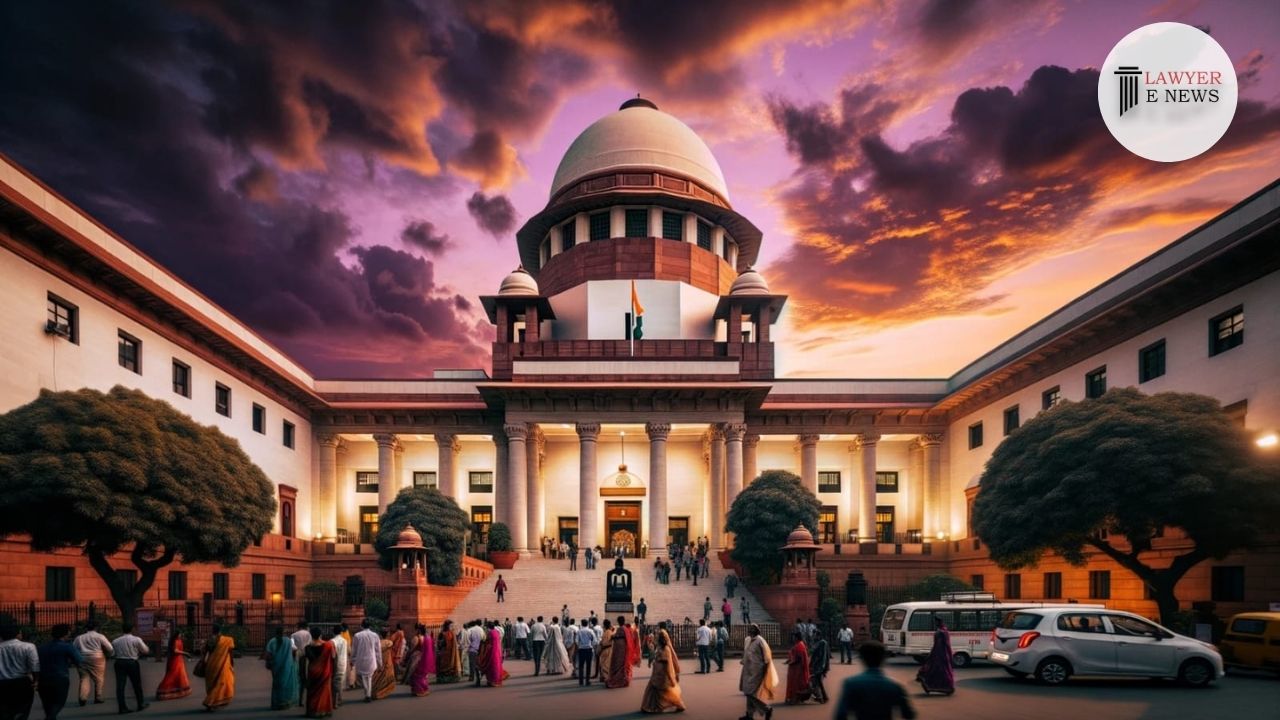
In a significant ruling, the Supreme Court of India has granted bail to two appellants, Vernon Gonsalves and Arun Ferreira, who were facing charges under the Unlawful Activities (Prevention) Act, 1967 (UAPA) and the Indian Penal Code, 1860 (IPC). The judgment, delivered by Hon'ble Mr. Justice Aniruddha Bose and Hon'ble Mr. Justice Sudhanshu Dhulia on 28th July 2023, has drawn attention to the strict interpretation of the UAPA and emphasized that "mere possession of literature, even if the content thereof inspires or propagates violence, by itself cannot constitute any of the offenses within Chapters IV and VI of the 1967 Act."
The Supreme Court's ruling comes after careful examination of the evidence and materials presented by the prosecution to establish whether there are reasonable grounds to believe the accusations against the appellants are prima facie true. The court analyzed various documents, including letters and account statements, which were alleged to have been recovered from the devices and residences of co-accused. Additionally, witness statements were evaluated to ascertain the involvement of the appellants in terrorist acts.
In the judgment, the court highlighted that none of the materials cited by the prosecution could be directly attributed to the appellants regarding terrorist acts or conspiracy to commit such acts. The letters and documents, allegedly recovered from co-accused, only record third-party responses to the appellants' activities and do not provide substantial evidence of their involvement in terrorist acts. Moreover, the court observed that "mere holding of certain literatures through which violent acts may be propagated would not ipso facto attract the provisions of Section 15(1)(b) of the said Act."
The ruling also underlined that stringent provisions of the UAPA should be carefully interpreted, and the court should be mindful of not denying bail based solely on the seriousness of the charges. The court considered the fact that the appellants had already spent nearly five years in detention while evaluating their bail plea.
Citing previous judgments, the Supreme Court emphasized that bail-restricting clauses in the UAPA cannot override an individual's constitutional right to liberty as enshrined in Article 21 of the Constitution of India. The court held that the right to seek bail must be considered with regard to factors such as the nature and seriousness of the offenses, character of the evidence, delay in trial, and the possibility of witnesses being influenced.
Apex court ordered the release of Vernon Gonsalves and Arun Ferreira on bail and imposed specific conditions on their freedom, including surrendering their passports, providing regular updates on their mobile phones' location, and reporting to the designated police station once a week.
Date of Decision: 28th July 2023
VERNON vs THE STATE OF MAHARASHTRA & ANR.