-
by sayum
17 August 2026 3:17 PM







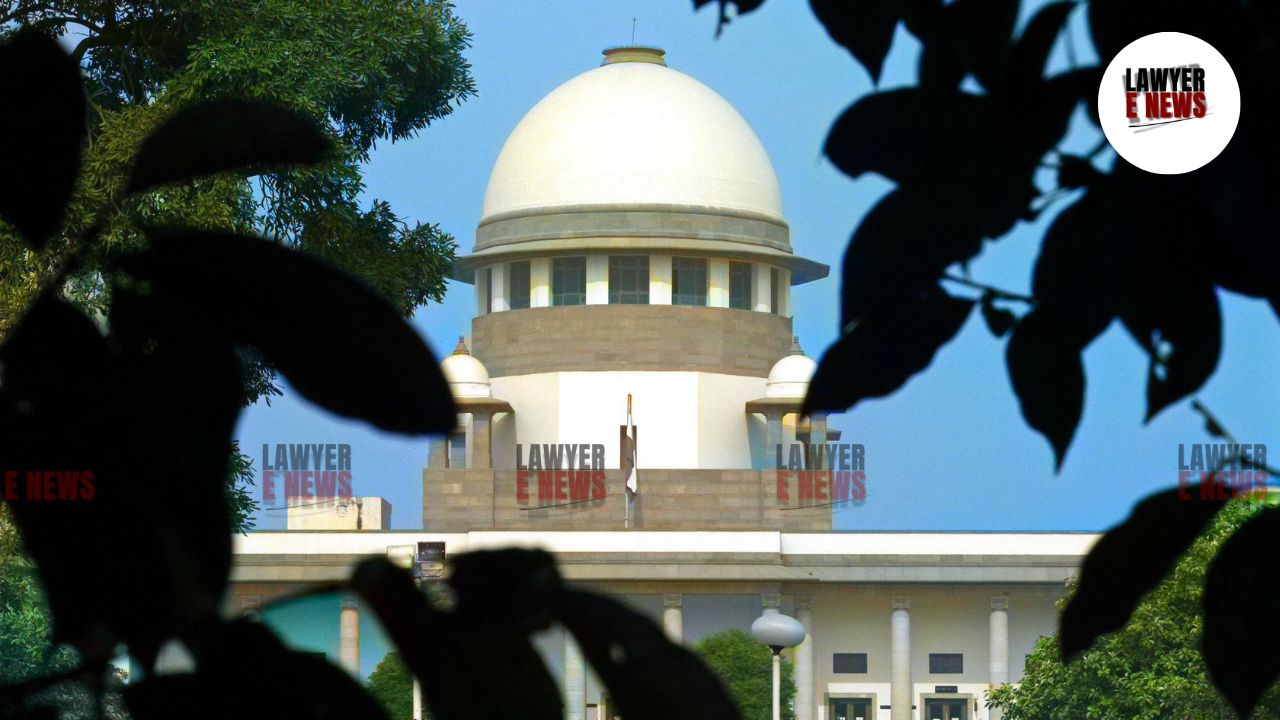
In a recent bail order, Supreme Court of India, in Abbas Ansari vs. State of Uttar Pradesh (SLP (Crl.) No. 10235/2024), granted regular bail to Abbas Ansari, a sitting Member of the Legislative Assembly (MLA) from the Mau Assembly constituency. Ansari had been in custody for over 18 months, facing charges under various sections of the Indian Penal Code (IPC), the Prevention of Corruption Act, 1988, and the Prisons Act, 1894. The Court reasoned that since the investigation had been completed and charges had been framed, the prolonged pre-trial detention was unnecessary, provided he cooperates with the trial.
In a related case under the Uttar Pradesh Gangster and Anti-Social Activities (Prevention) Act, 1986, the Court directed Ansari to first approach the Allahabad High Court for bail, requesting that the High Court decide the matter within four weeks.
Abbas Ansari, a member of the Uttar Pradesh State Assembly, was arrested in connection with Case Crime No. 88/2023, where it was alleged that while in jail, he used mobile phones, brought by his wife during visits, to threaten prosecution witnesses and extort money. The FIR named Ansari and his co-accused wife, and it was alleged that this illegal communication took place within the Chitrakoot District Jail. He was already in custody in other cases at the time of his formal arrest in this case.
The Special Judge had denied Ansari bail in June 2023, citing his potential to misuse his position as an MLA to influence witnesses. The Allahabad High Court, in May 2024, also rejected his bail, referencing his criminal history, which included 10 prior cases, and the potential involvement of jail authorities in allowing prohibited items like mobile phones into the jail.
Completion of Investigation and Pre-Trial Detention: The Supreme Court noted that since the investigation was complete, charges had been framed, and the trial was likely to take considerable time, continued custody was not necessary. The Court emphasized that bail is a right, particularly when the trial is delayed, provided the accused cooperates with the legal process.
"Having regard to the fact that the investigation is complete; charge-sheet has already been filed and the petitioner has been in custody for more than 1 ½ years... the petitioner is directed to be released on bail." (Para 5)
Concerns of Witness Tampering and Misuse of Position: Although the High Court had expressed concerns about the petitioner’s potential to influence witnesses due to his position as an MLA, the Supreme Court found that bail conditions, such as regular court attendance and cooperation with the trial, could mitigate these risks.
"The petitioner shall fully cooperate with the trial proceedings and shall remain present in Court on each and every date of hearing unless granted exemption from personal appearance." (Para 5)
Gangster Act Charges and Priority for High Court Bail Hearing: In a separate case under the Uttar Pradesh Gangster and Anti-Social Activities (Prevention) Act, 1986, the petitioner sought bail through a writ petition. The Supreme Court directed Ansari to first approach the High Court and requested the High Court to prioritize the hearing, with a decision expected within four weeks. The Supreme Court granted Ansari the liberty to return to the apex court if the High Court delayed the decision.
"The High Court is requested to decide the bail application on priority basis positively within a period of four weeks from the date of filing of such petition." (Para 9)
Bail in the Criminal Case: The Court allowed bail in Case Crime No. 88/2023, where charges included sections of the IPC related to criminal conspiracy, extortion, and threatening witnesses, as well as charges under the Prevention of Corruption Act, Prisons Act, and the Criminal Law (Amendment) Act, 2013. The Court noted that the petitioner had already spent over 18 months in custody, the investigation was complete, and the trial would take time to conclude.
"The petitioner is directed to be released on bail subject to his furnishing bail bonds to the satisfaction of the Trial Court." (Para 5)
Bail in the Gangster Act Case: The petitioner was also facing charges under the Uttar Pradesh Gangster and Anti-Social Activities (Prevention) Act, 1986, registered under FIR No. 556/2024. The Court did not directly grant bail in this case but directed Ansari to apply to the High Court, which was asked to prioritize the matter.
"Registry of the High Court is directed to place this order before the Hon’ble Chief Justice of the High Court so that the bail application to be moved by the petitioner can be listed before the appropriate Bench to ensure compliance of the time-line mentioned above." (Para 10)
The Supreme Court’s ruling granted regular bail to MLA Abbas Ansari in the extortion and witness-tampering case, considering the extended pre-trial detention and the completion of the investigation. The Court imposed conditions to ensure his cooperation with the trial and noted that the trial would take a reasonable amount of time. As for the Gangster Act case, the Court directed the petitioner to approach the High Court for bail, with instructions to expedite the hearing.
Date of Decision: October 18, 2024
Abbas Ansari vs. The State of Uttar Pradesh