Consensual Relationship That Later Turns Sour Is Not Rape: Andhra Pradesh High Court Grants Bail in Breach of Promise Case Double Presumption of Innocence Applies; No Interference Unless Trial Court Judgment Is Perverse: Allahabad High Court in Murder Appeal Under BNSS A Single Act of Corruption Warrants Dismissal – 32 Years of Service Offers No Immunity: Punjab & Haryana High Court Upholds ASI’s Removal Suit Against Trustee Without Charity Commissioner’s Consent Is Statutorily Barred: Bombay High Court Government Can't Deny Implied Surrender After Refusing to Accept Possession: Madras HC Clarifies Scope of Section 111(f) of TP Act Custodial Interrogation Must Prevail Over Pre-Arrest Comfort in Hate Speech Cases: Punjab & Haryana High Court Denies Anticipatory Bail for Provocative Remarks Against Migrants Mutation Order Without Notice Cannot Stand in Law: Orissa High Court Quashes Tahasildar's Rejection for Violating Natural Justice Cruelty Must Be Grave and Proven – Mere Allegations of Disobedience or Demand for Separate Residence Don’t Justify Divorce: Jharkhand High Court Rejects Husband’s Divorce Appeal Retaliatory Prosecution Cannot Override Liberty: Himachal Pradesh High Court Grants Bail in PMLA Case Post CBI Trap of ED Officer Illegal Remand Without Production of Accused Is Not a Technical Lapse, But a Constitutional Breach: Andhra Pradesh High Court Grants Bail in Major NDPS Case Inherent Power Under Section 528 BNSS Not a Substitute for Article 226 When FIR Is Under Challenge Without Chargesheet or Cognizance Order: Allahabad High Court Possession Without Title Is Legally Insubstantial: Gujarat HC Dismisses Appeal By Dairy Cooperative Over Void Land Transfer You Can Prosecute a Former Director, But You Can’t Force Him to Represent the Company: Calcutta High Court Lays Down Clear Limits on Corporate Representation in PMLA Cases Conviction Cannot Rest on Tainted Testimony of Injured Witnesses in Isolation: Bombay High Court Acquits Five in Murder Case One Attesting Witness is Sufficient if He Proves Execution and Attestation of Will as Required by Law: AP High Court Land Acquisition | Delay Cannot Defeat Just Compensation: P&H High Court Grants Enhanced Compensation Despite 12-Year Delay in Review Petitions by Landowners Allegations Implausible, Motivated by Malice: Kerala High Court Quashes Rape Case After Finding Abuse Claims a Counterblast to Civil Dispute Adoptions Under Hindu Law Need No Approval from District Magistrate: Madras High Court Declares Administrative Rejection of Adoptive Birth Certificate as Illegal Findings of Fact Cannot Be Re-Appreciated in an Appeal Under Section 10F Companies Act: Madras High Court Equality Is Not A Mechanical Formula, But A Human Commitment: P&H High Court Grants Visually Impaired Mali Retrospective Promotions With Full Benefits Orissa High Court Rules Notice for No Confidence Motion Must Include Both Requisition and Resolution – Provision Held Mandatory Ashramam Built on Private Land, Managed by Family – Not a Public Religious Institution: Andhra Pradesh High Court Quashes Endowments Notification Cruelty Must Be Proved, Not Presumed: Gujarat High Court Acquits Deceased Husband In 498A Case After 22 Years Trade Dress Protection Goes Beyond Labels: Calcutta High Court Affirms Injunction Over Coconut Oil Packaging Mimicry Mere Filing of Income Tax Returns Does Not Exonerate the Accused: Madras High Court Refuses Discharge to Wife of Public Servant in ₹2 Crore DA Case

Supreme Court Acquits Accused in Murder case - Unreliable Witness Testimony and Doubtful Motive

07 May 2024 8:19 AM

By: Admin


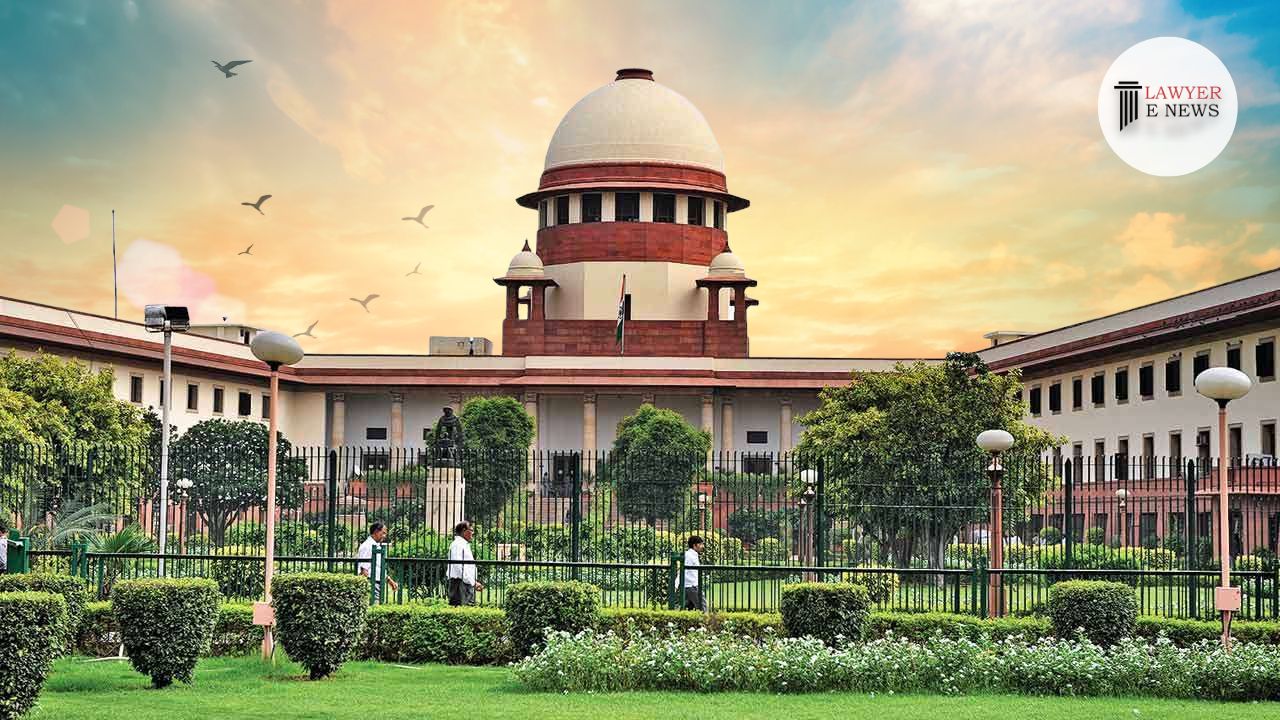
In a significant legal development, the Supreme Court of India acquitted the accused in a high-profile criminal case, highlighting the unreliability of witness testimony and casting doubt on the alleged motive. The judgment, delivered on November 8, 2023, sets a precedent for evaluating witness accounts and motives in criminal trials.

The Bench comprising Justice B.R. Gavai, Justice Pamidighantam Sri Narasimha, and Justice Aravind Kumar rendered the verdict, which has far-reaching implications for the criminal justice system.

The case in question involved the appellant, Balaram, who had been convicted of offenses under Sections 148, 302 (murder), and 307 (attempt to murder) of the Indian Penal Code. The judgment noted the unique circumstances of the case, including the death of a co-accused, Rameshwar, which abated his appeal.

The Court observed, "Conviction on the basis of their [witnesses'] unreliable testimony would not be sustainable." It emphasized the need to categorize witnesses as wholly reliable, wholly unreliable, or somewhere in between. Justice Gavai explained, "It is only in the case of the third category of witnesses, which is partly reliable and partly unreliable, that the Court faces the difficulty. The Court is required to separate the chaff from the grain to find out the true genesis of the incident."

The judgment raised questions about the alleged motive of previous enmity and the possibility of false implication, stating, "Previous enmity is a double-edged weapon; on the one hand, it provides the motive, whereas on the other hand, the possibility of false implication cannot be ruled out."

In a unanimous decision, the Supreme Court allowed the appeal, quashed Balaram's conviction and sentence, and directed his immediate release unless detained in another case.

This verdict highlights the importance of critically evaluating witness testimonies and motives in criminal trials, reinforcing the principle that justice must be served based on reliable evidence.

Date of Decision: November 08, 2023

BALARAM VS STATE OF MADHYA PRADESH

Latest Legal News