-
by sayum
18 August 2026 3:10 PM







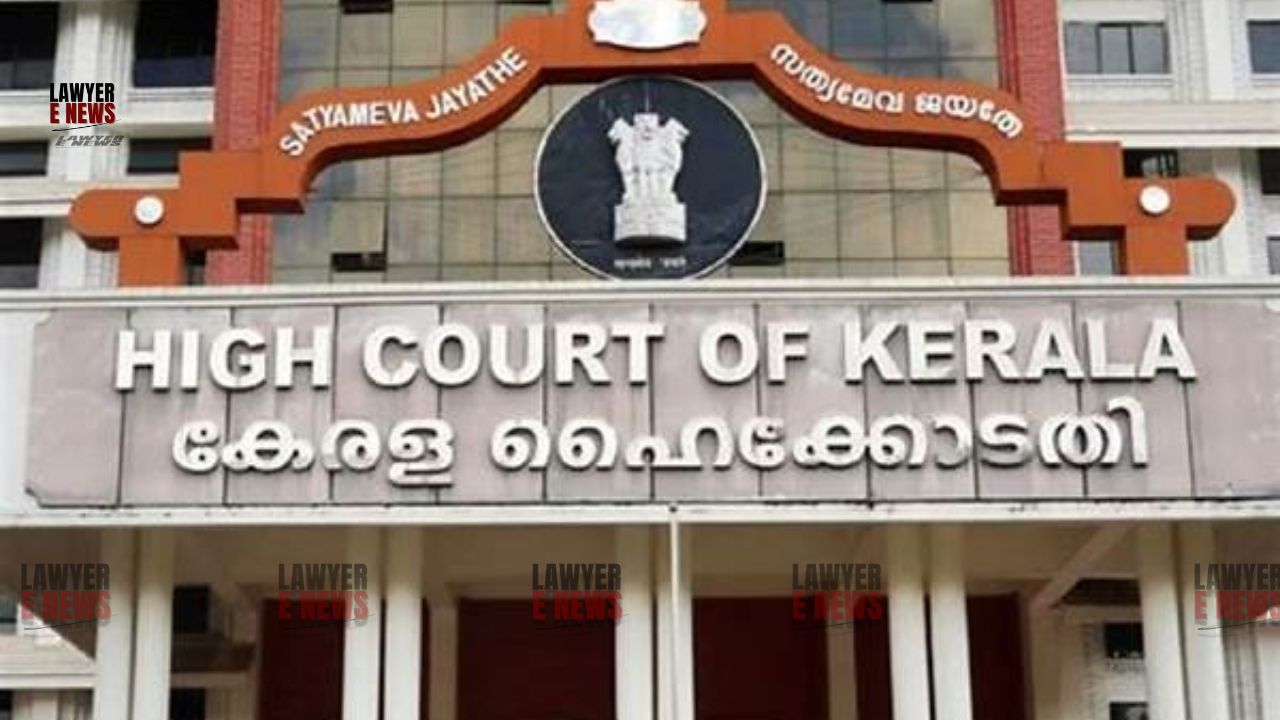
Kerala High Court, in a recent judgement, reduced the conviction of Gopi, the first accused, from murder to culpable homicide not amounting to murder under Section 304 Part I IPC. His sentence was reduced to 10 years of rigorous imprisonment for fatally stabbing a fellow card player, Sainul Abideen, in 2009. Two other co-accused, Shamsudheen and Anil Kumar, were acquitted as the court found insufficient evidence of their involvement.
The High Court found that the stabbing occurred after the victim, Sainul Abideen, cheated during a card game and provoked Gopi by kicking him. Gopi, in a fit of rage, fatally stabbed the victim with a file. The court ruled that this act resulted from grave and sudden provocation, reducing his conviction from murder to culpable homicide under Section 304 Part I IPC.
On March 21, 2009, Gopi and four others were playing cards after drinking toddy. The victim was caught cheating, leading to a physical altercation during which Gopi stabbed him. The trial court had convicted Gopi and two others for murder under Section 302 IPC, sentencing them to life imprisonment.
The primary issue was whether the accused committed murder with a common intention or whether the act was a result of provocation, reducing the crime to culpable homicide.
The court noted that Gopi had been provoked by the victim’s cheating and subsequent assault, which led to the fatal stabbing. This sudden provocation diminished Gopi’s criminal liability.
There was no evidence showing that the co-accused, Shamsudheen and Anil Kumar, shared a common intention with Gopi to kill the victim, leading to their acquittal.
The court reduced Gopi’s conviction to Section 304 Part I IPC and sentenced him to 10 years of rigorous imprisonment with a fine of ₹50,000. The co-accused were acquitted, as the evidence was insufficient to prove their participation in the fatal attack.
"The 1st accused acted under grave and sudden provocation, thus reducing his criminal liability from murder to culpable homicide."
The Kerala High Court’s ruling highlights the role of provocation in mitigating murder charges, while also emphasizing the need for clear evidence of common intent to implicate co-accused in such cases.
Date of Decision: October 9, 2024
Gopi @ Gopu vs. State of Kerala