-
by sayum
01 August 2026 2:00 PM







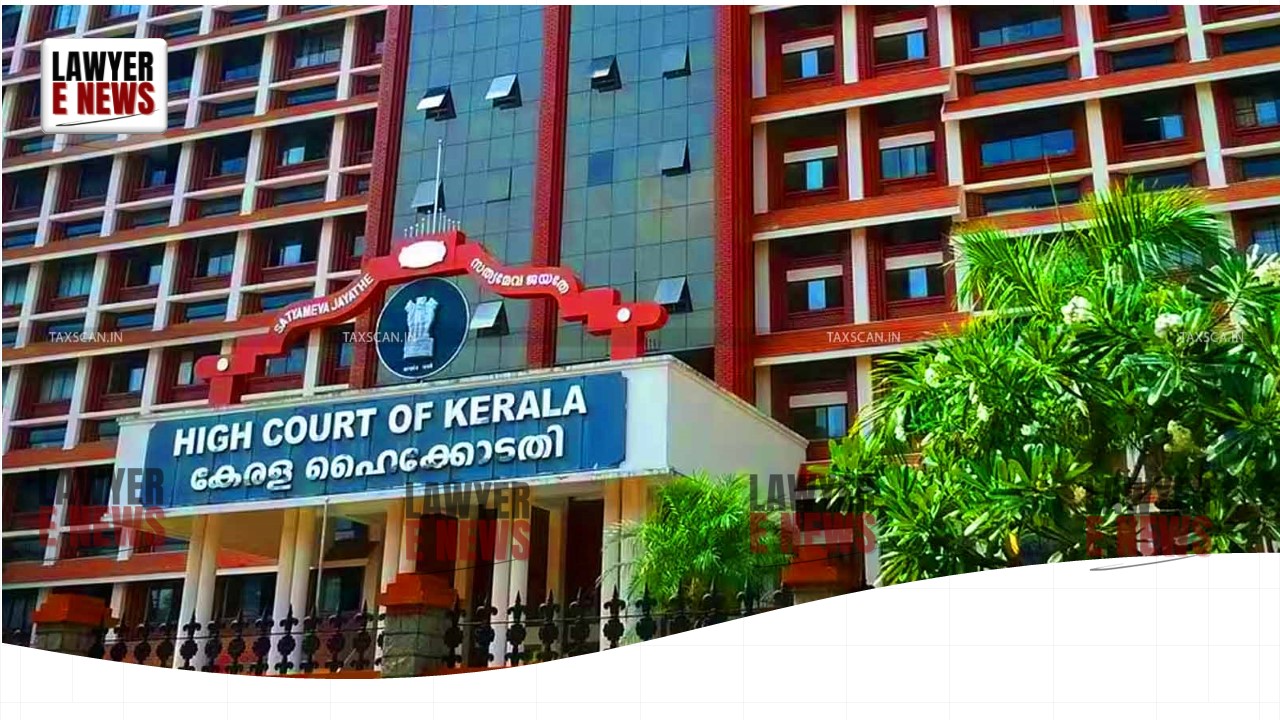
Kerala High Court dismissed a series of writ petitions seeking direct appointments as temple artists and Sambanthis (ritual assistants) in the Travancore Devaswom Board. The petitioners, qualified in traditional temple arts from Kshethra Kalapeedom, a board-managed institution, contended that they were entitled to appointments based on seniority from earlier certificate verification lists. The court ruled that the Travancore Devaswom Recruitment Act, 2015, which established a centralized recruitment process, superseded such practices.
The petitioners, graduates of courses like Panchavadyam, Nadaswaram, and Thakil from Kshethra Kalapeedom, challenged the Board’s failure to honor previous verification lists for direct appointments. They argued that vacancies should be filled as per earlier practices prior to the enactment of the 2015 Recruitment Act. The petitioners pointed to their participation in the Board's earlier selection processes, including certificate verifications conducted before the centralized Recruitment Board's establishment.
The respondents, including the Travancore Devaswom Board and Kerala Devaswom Recruitment Board, countered that all appointments must now conform to the statutory recruitment rules under the 2015 Act.
The court held that the 2015 Act and subsequent Recruitment Rules vested the exclusive authority for appointments with the Kerala Devaswom Recruitment Board. It relied on the Supreme Court's ruling in State of Himachal Pradesh v. Rajkumar to affirm:
"Vacancies arising prior to the promulgation of statutory rules are not governed by outdated practices but by the regime in force at the time of recruitment."
This ruling overturned older precedents, including Y.V. Rangaiah v. Sreenivasa Rao, which had held that vacancies must be filled under the rules prevailing when they arose.
The court emphasized: "Appointments to positions in the Travancore Devaswom Board, save for hereditary and aided institution posts, are within the exclusive purview of the Recruitment Board."
The court rejected the petitioners' reliance on certificate verification lists prepared by the Board prior to 2015, noting:
"Such lists lack statutory sanction under the new recruitment regime and cannot confer enforceable rights to appointment."
While recognizing the cultural importance of maintaining temple rituals through qualified personnel, the court clarified that these obligations did not exempt the Board from adhering to statutory recruitment processes:
"Adherence to statutory frameworks is essential for fairness and transparency, even in matters of religious and cultural significance."
Dismissing the petitions, the court underscored that appointments must proceed exclusively through the Kerala Devaswom Recruitment Board, based on a competitive selection process. It further declined to grant interim reliefs permitting daily wage appointments, directing the Recruitment Board to address existing vacancies expediently.
The judgment reaffirms the supremacy of statutory recruitment procedures, ensuring that historical practices do not undermine regulatory frameworks.
Date of Decision: November 26, 2024