
-
by sayum
21 October 2026 1:30 PM







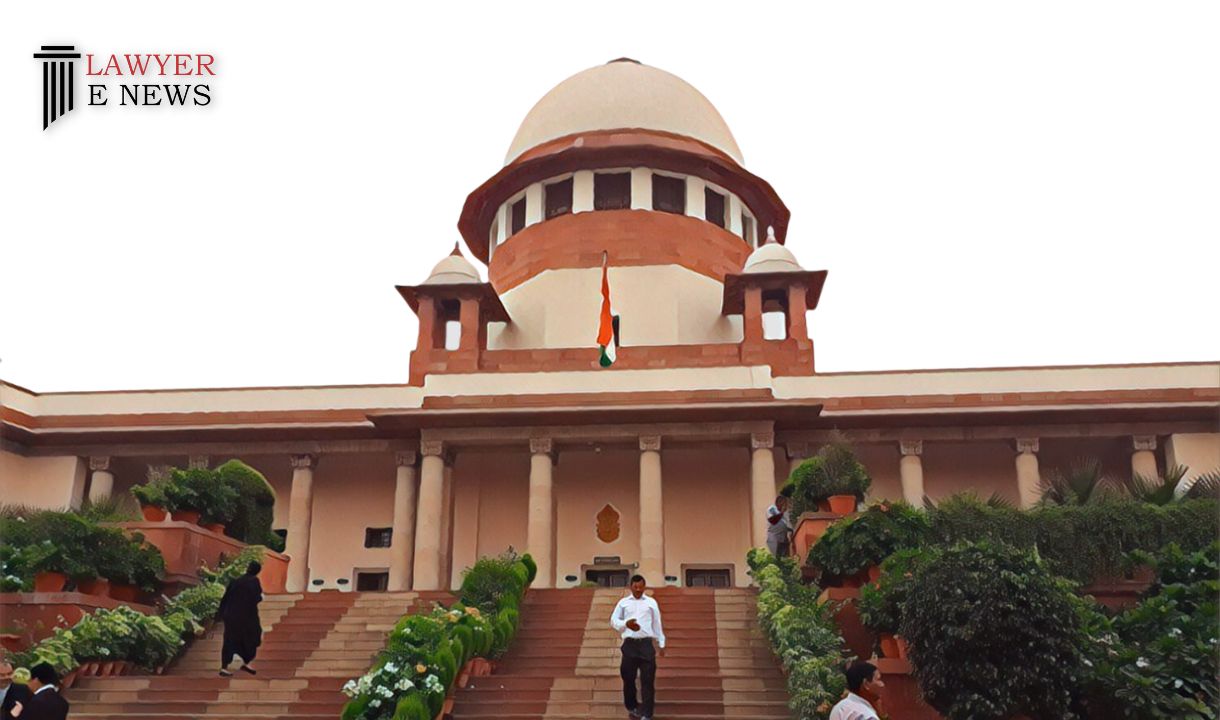
Constitutional Bench of Supreme Court in a latest judgement (BCI vs BONNIE FOI LAW COLLEGE & ORS D.D 10 Feb 2023) observed that the quality of lawyers is an essential aspect for the administration of justice and access to justice. Ensuring quality control has been the objective of efforts made over time to improve the legal profession.
Dispute between Bar Council of India and Bonnie Foi Law College regarding the college's application for affiliation to offer a legal study course. The inspection team appointed by the court found shortcomings in the college's infrastructure and functioning. The court laid down conditions for the college to follow, which the college claimed to have fulfilled later.
In this case the issue of the diminishing standards of legal education came to light and a committee was appointed to examine and address the problems. The report recognized the importance of a bar examination and compulsory apprenticeship under a senior lawyer for improving standards of the legal profession.
The case of V. Sudeer v. Bar Council of India challenged the rule-making power of the Bar Council of India to provide pre-enrollment training and prescribe pre-enrollment examinations. The judgment in the case found the rule making power of the Bar Council of India ultra vires the parent act and held that a person qualified for enrolment cannot be denied enrolment by additional pre-enrolment qualifications. The court's decision reaffirmed the importance of ensuring quality control in the legal profession.
A three-judge bench of the court was considering the matter of pre-enrolment training and examination for lawyers in India. The bench provided three questions to be answered by the constitution bench:
The quality of lawyers is an essential aspect for the administration of justice and access to justice. Ensuring quality control has been the objective of efforts made over time to improve the legal profession.
Supreme Court observed that the validity of the Bar Council of India's rule-making power under Clause (d) of Sub-Section (3) of Section 24 of the Legal Practitioners Act, which allowed for the introduction of the All India Bar Examination, was challenged in the case of V. Sudeer. The judgment in V. Sudeer held that the rule-making power of the Bar Council of India was beyond the scope of the amended Legal Practitioners Act and that a person otherwise eligible for enrollment, having qualified with a law degree, could not be denied enrollment by additional qualifications such as pre-enrollment training and examination.
Constitutional Bench of Supreme Court finds that the restriction imposed on the powers of the Bar Council of India by the judgment in V. Sudeer is not correct and the Bar Council of India continues to possess the power and authority under Section 7 of the Advocate Act and Section 49(1)(ag) of the Indian Advocates Act to prescribe rules for the enrollment of advocates and ensure quality control through pre-enrollment examinations, including the All India Bar Examination.-The third question referred to the authority of the Bar Council of India to provide post-enrolment examination in case the first two questions are answered negatively.
Supreme court held that Section 49(1)(ah) of the Advocates Act deals with the general powers of the Bar Council of India to make rules regarding the right to practice and circumstances of practising as an advocate. The powers of the State Bar Councils and the Bar Council of India should be read in the context of their respective statutory provisions. The Bar Council of India has larger powers and authority, which cannot be affected by the 1973 Amendment.
Supreme Court further observed that Section 49(1)(ag) of the Act specifically stipulates that the Bar Council of India has the power to make rules for the enrollment of advocates. The quality control of entry into the Bar is necessary, and the provision for an examination for the enrollment of advocates by the Bar Council of India cannot be doubted.
The decision on when to hold the All India Bar Examination (pre or post) should be left to the Bar Council of India. The All India Bar Examination is scheduled to be held twice a year and this schedule should be strictly followed to avoid idle time for law graduates.
Supreme Court agrees with the Amicus' suggestion that students who have cleared all exams and are eligible to pursue the final semester of the final year course of law, upon proof of the same, should be allowed to take the All India Bar Examination. The results of the examination will be subject to the person passing all required components of the University/College course.
The Amicus has raised the issue of advocates who take up other jobs and want to re-enroll later, and those who are enrolled but take another job and come back to the profession after a substantial period of time. The Court accepts the suggestion that appropriate rules can be made requiring an examination for advocates who come back to practice after a substantial break, such as a five-year break for those who take up a non-legal job. The Court believes that an active legal practice and an unconnected job have different requirements and skills may be lost during a hiatus period in an unconnected job.
BAR COUNCIL OF INDIA Vs BONNIE FOI LAW COLLEGE & ORS.